SCU Eastern Medicine Students Deepen Global Perspective Through Exclusive China Exchange Experiences
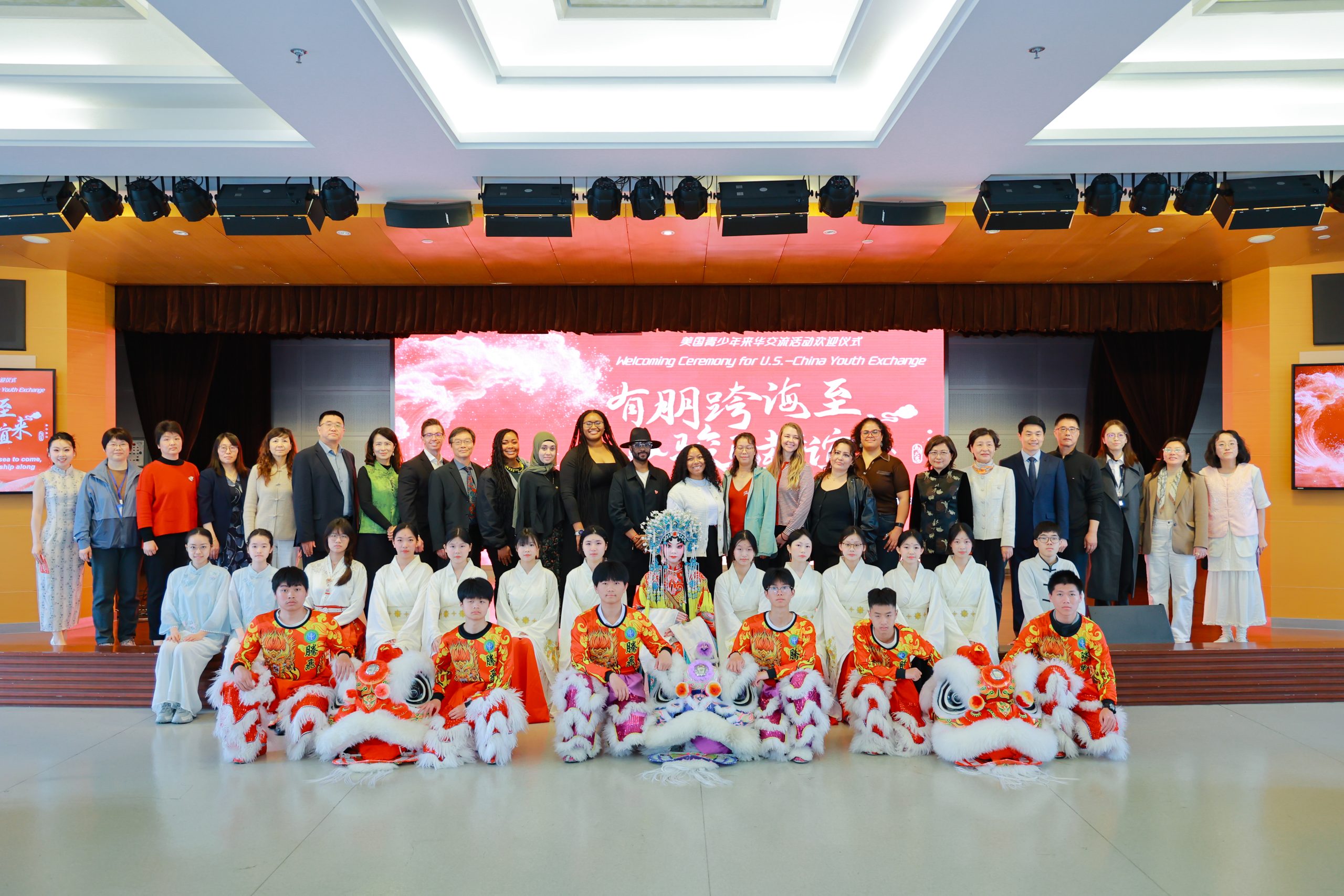
Click on the image above to view a photo gallery.
Students from the Doctor of Acupuncture and Chinese Herbal Medicine program at Southern California University of Health Sciences (SCU) recently participated in two international experiences in China, gaining new perspectives on Eastern Medicine, cultural tradition, clinical practice, and the role of community in health.
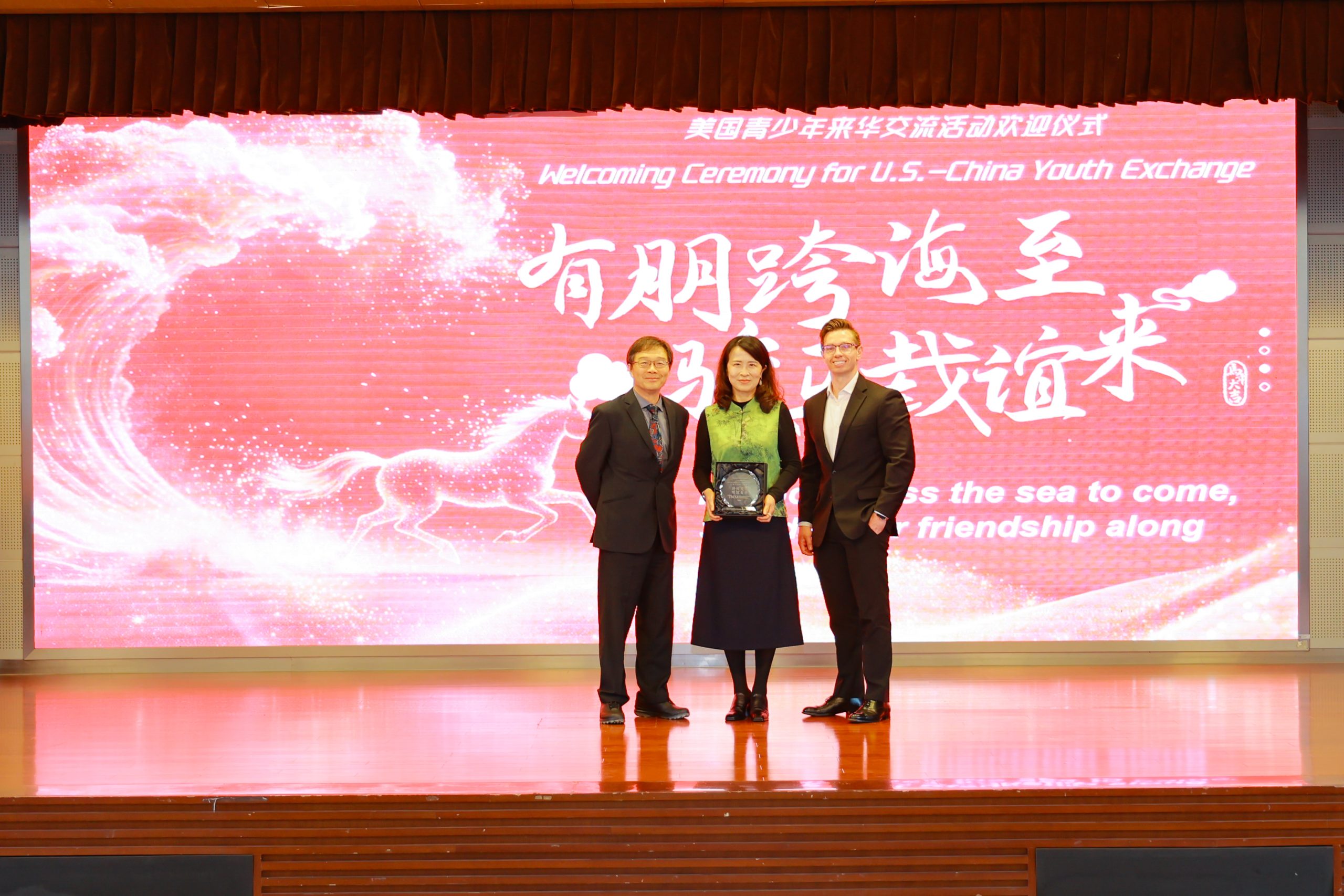
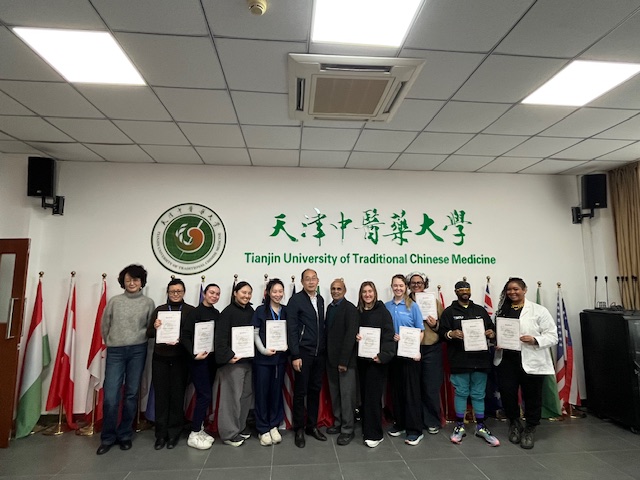
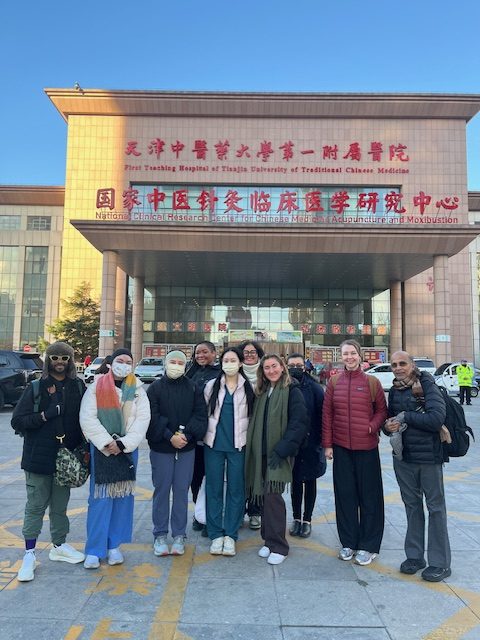
The experiences included the SCU Exchange Program in China (Shanghai and Sichuan) in April 2026, a cultural exchange and international learning opportunity, and a November 2025 academic experience at Tianjin University of Traditional Chinese Medicine (TUTCM), which included classroom learning and hospital observation.
Unlike general study-abroad opportunities, these trips were made available specifically to selected SCU students through invitations, formal agreements, and relationships connected to the university’s Eastern Medicine programs. For students, the significance was not only the travel itself, but the access to cultural, academic, and clinical settings that helped connect their SCU education to the places and traditions where many Eastern Medicine practices originated.
“These are experiences students may not otherwise be able to have in the United States,” said Dr. Jenny Yu, Dean of SCU’s Eastern Medicine Department. “The purpose of studying abroad is for students to broaden their vision and experience something that helps them understand the medicine, the culture, and the doctor-patient relationship in a deeper way.”
Students selected for these opportunities go through an application process and are expected to be in good academic and student standing. Because space is limited, the program also recognizes students who are engaged in the SCU community, including those who contribute through leadership, service, or campus involvement.
Ani Zakarian, an SCU Doctor of Acupuncture and Chinese Herbal Medicine student, said the selection process reflects the department’s emphasis on student engagement.
“This program really likes to see that students are involved on campus with the school,” Zakarian said. “It’s kind of been a way to let students know, ‘We see you’re working hard, and you’re involved in this school, and we want to give you this opportunity to go and expand your knowledge.’”
A Cultural Exchange Across Shanghai and Sichuan
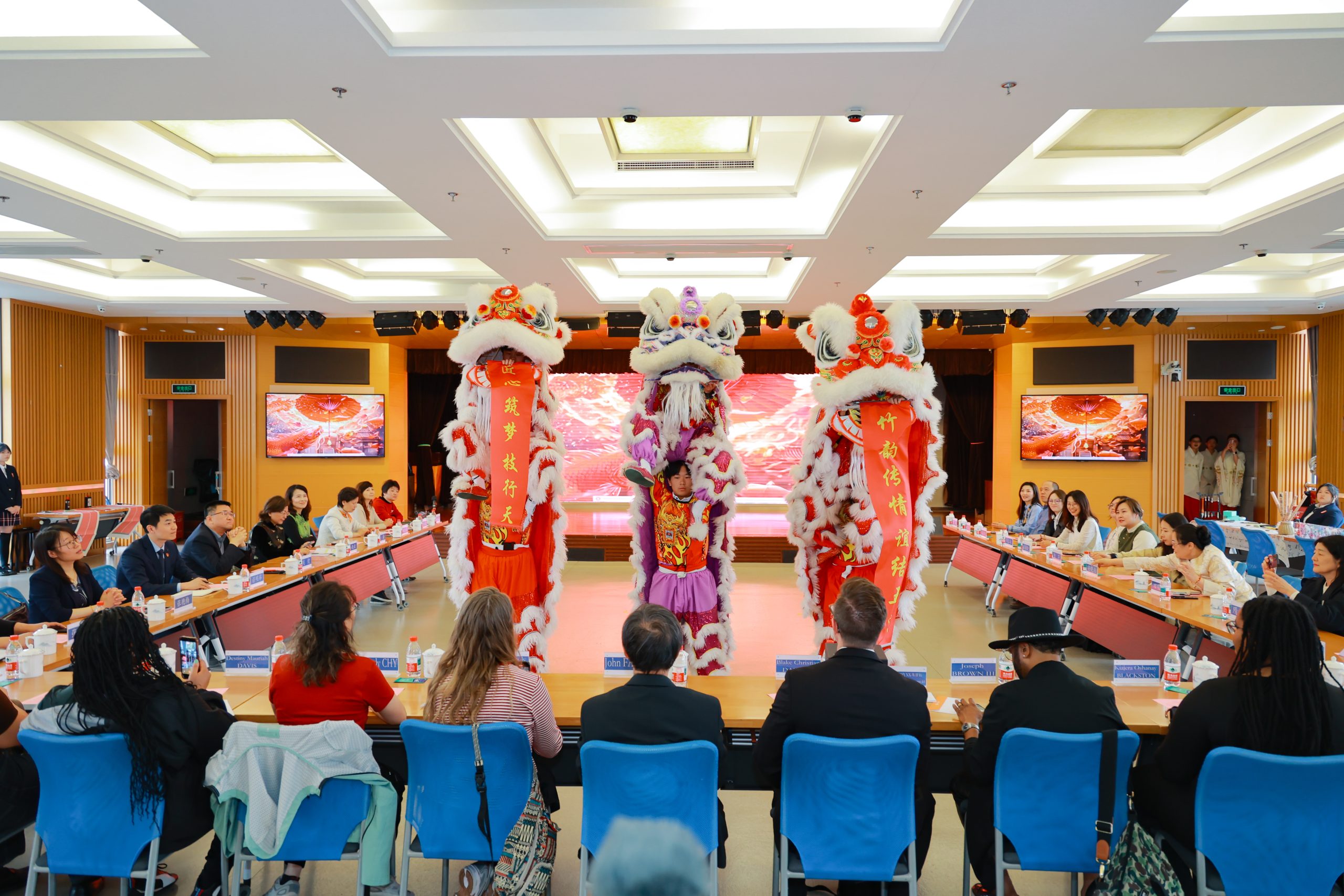
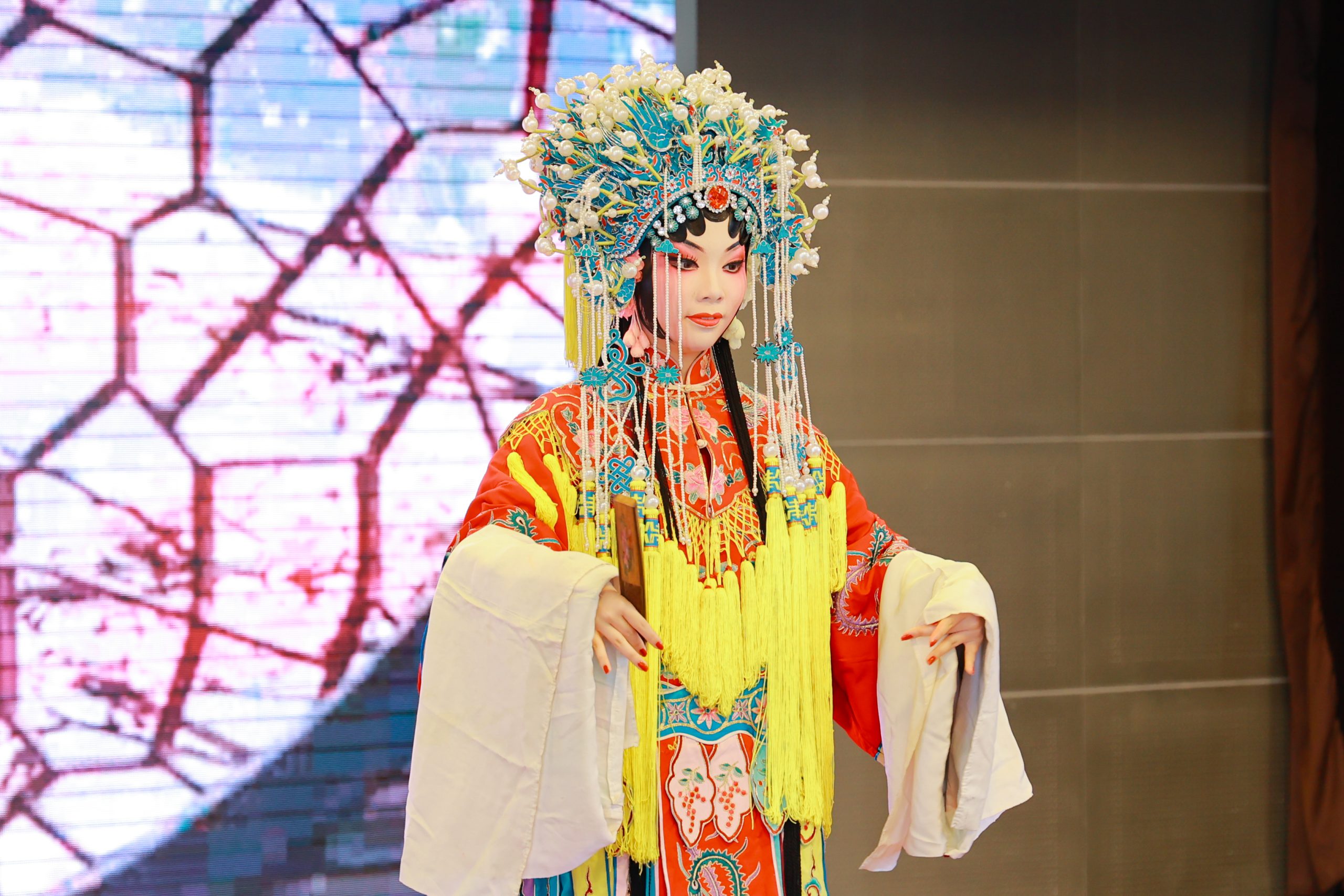
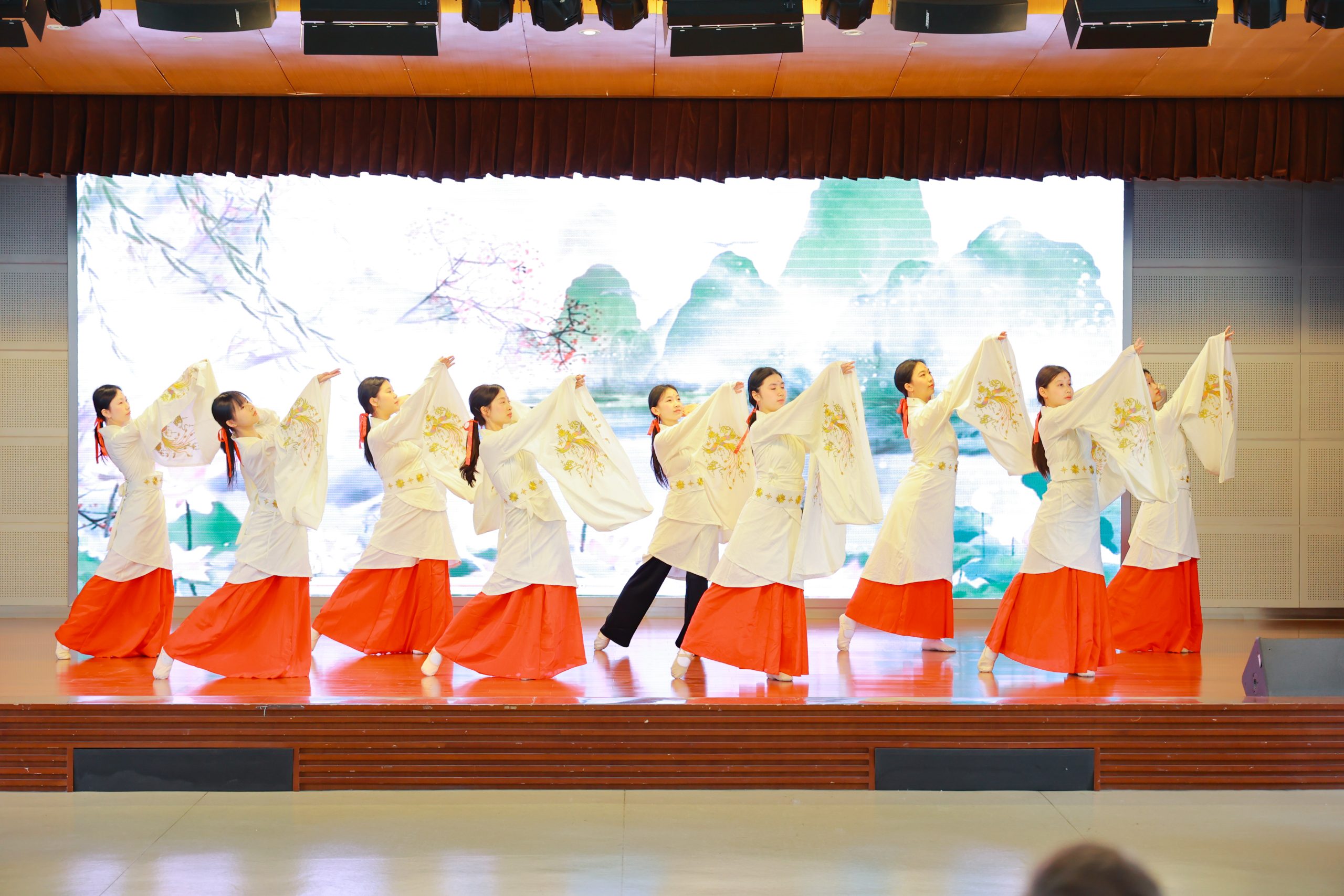
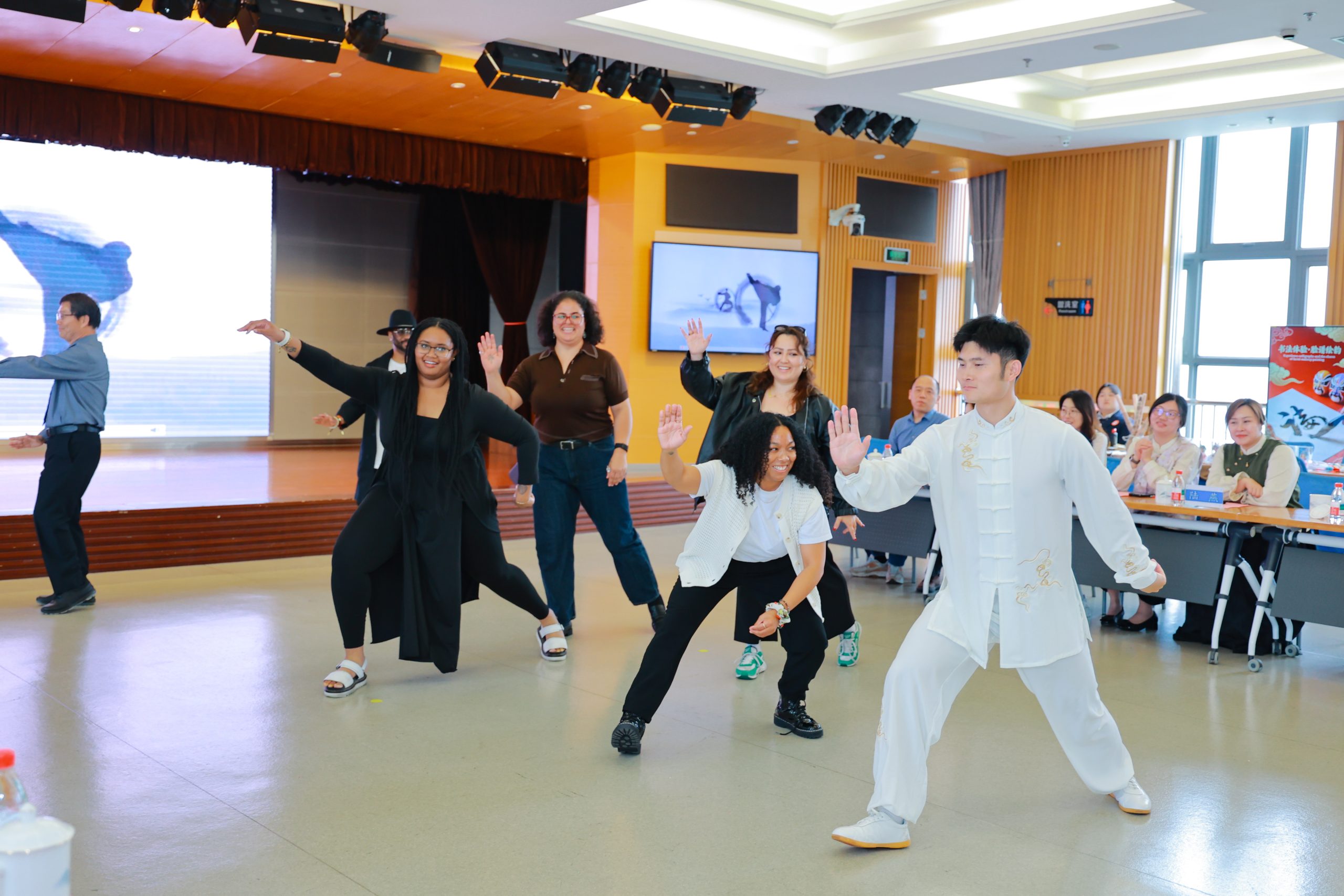
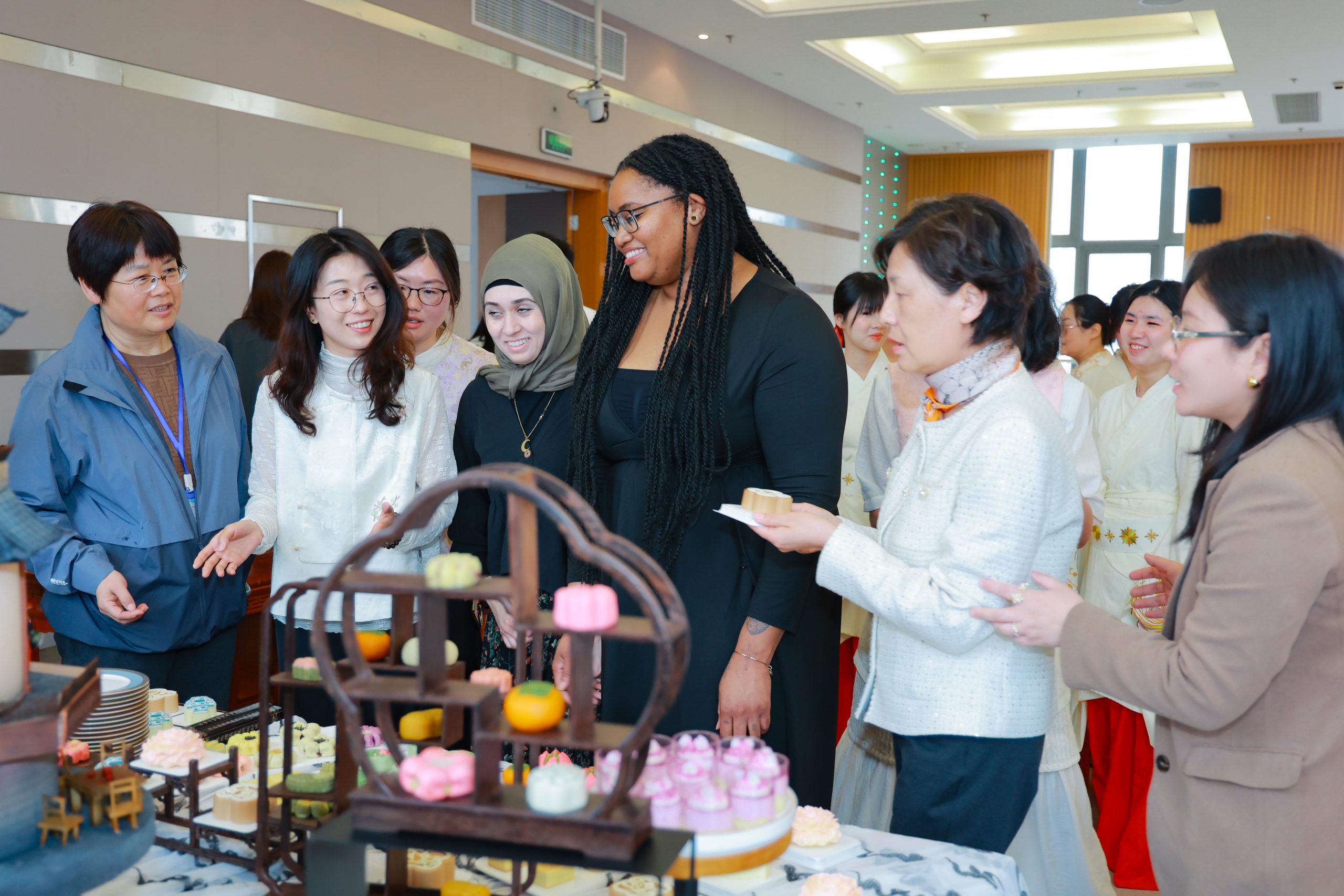
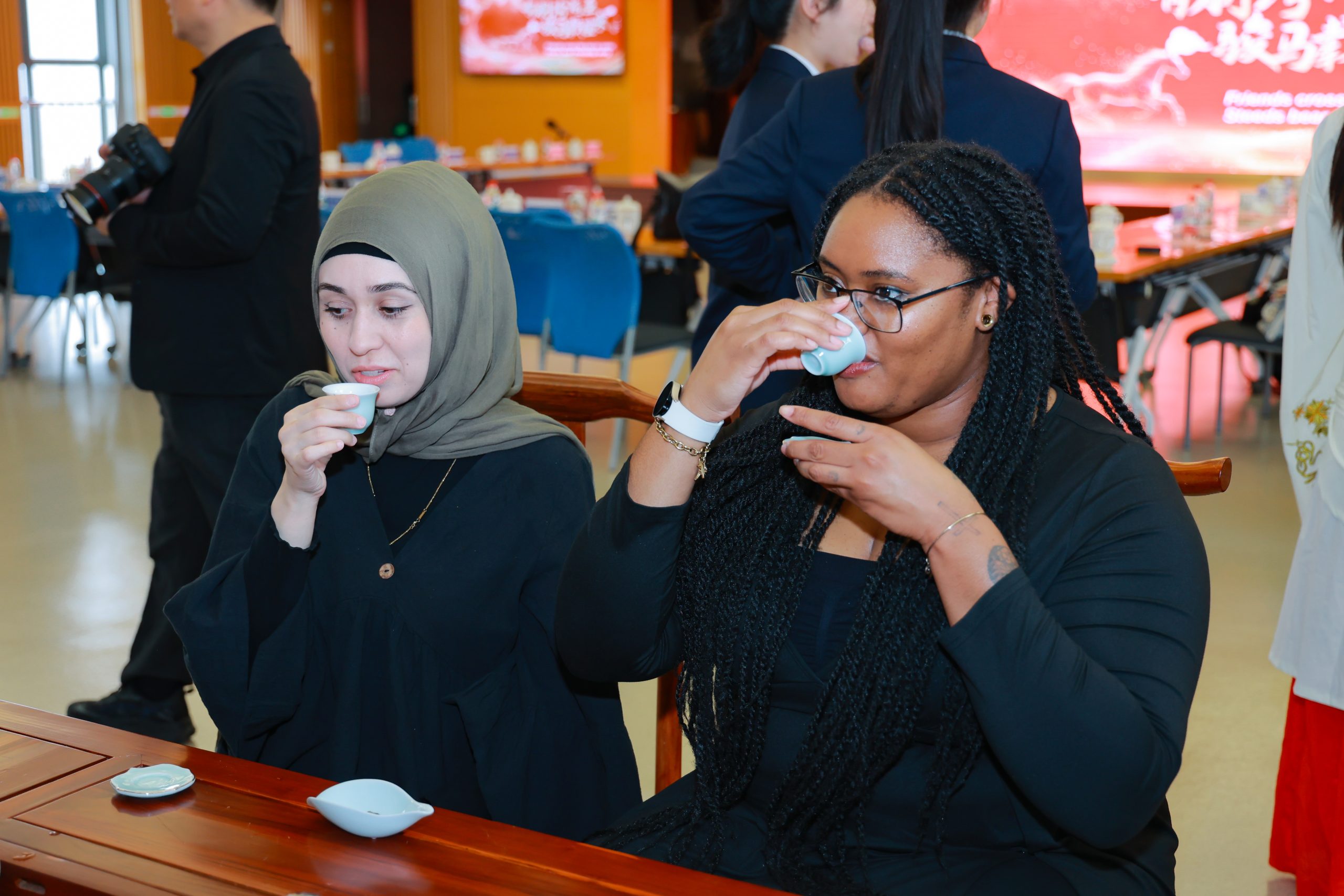
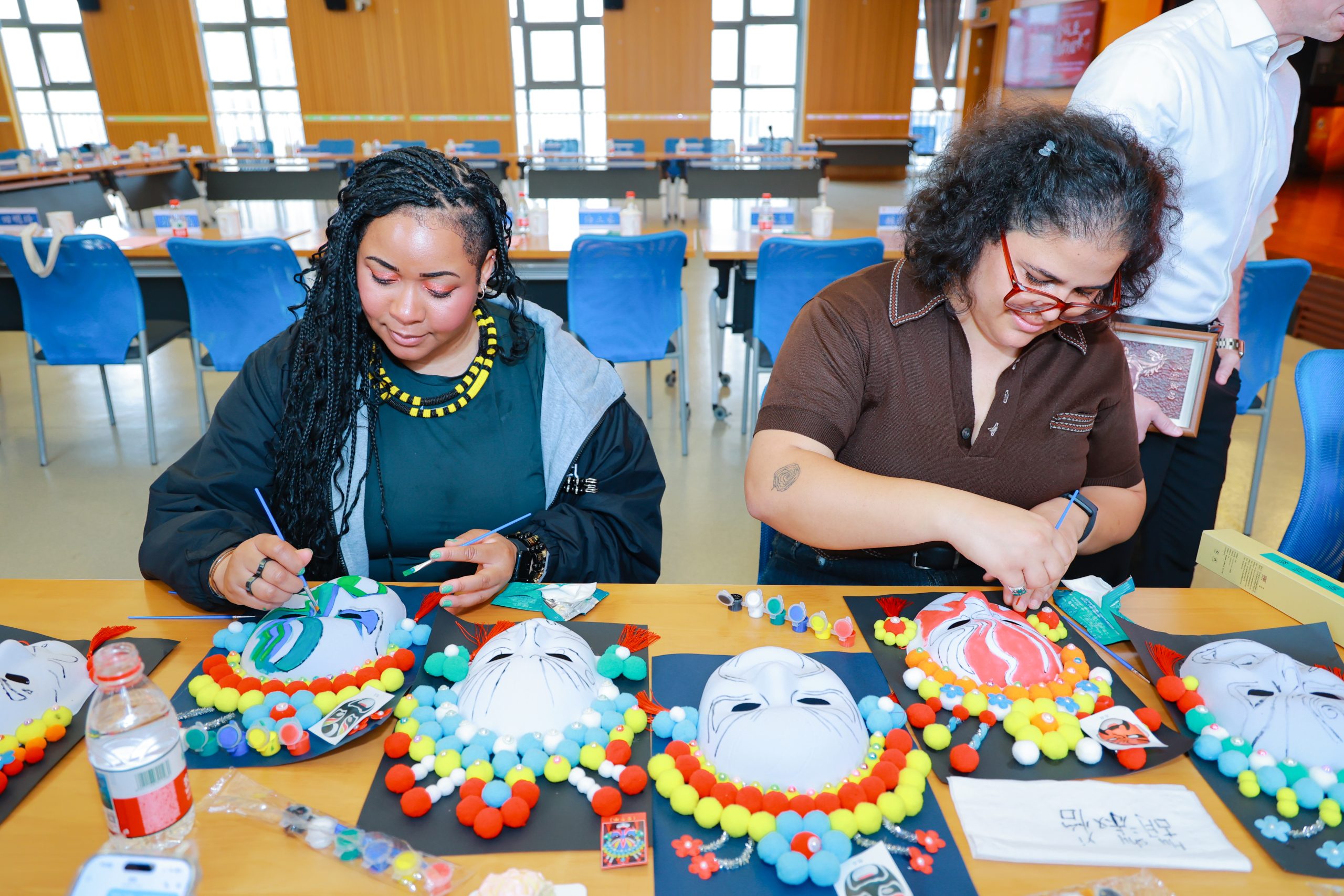
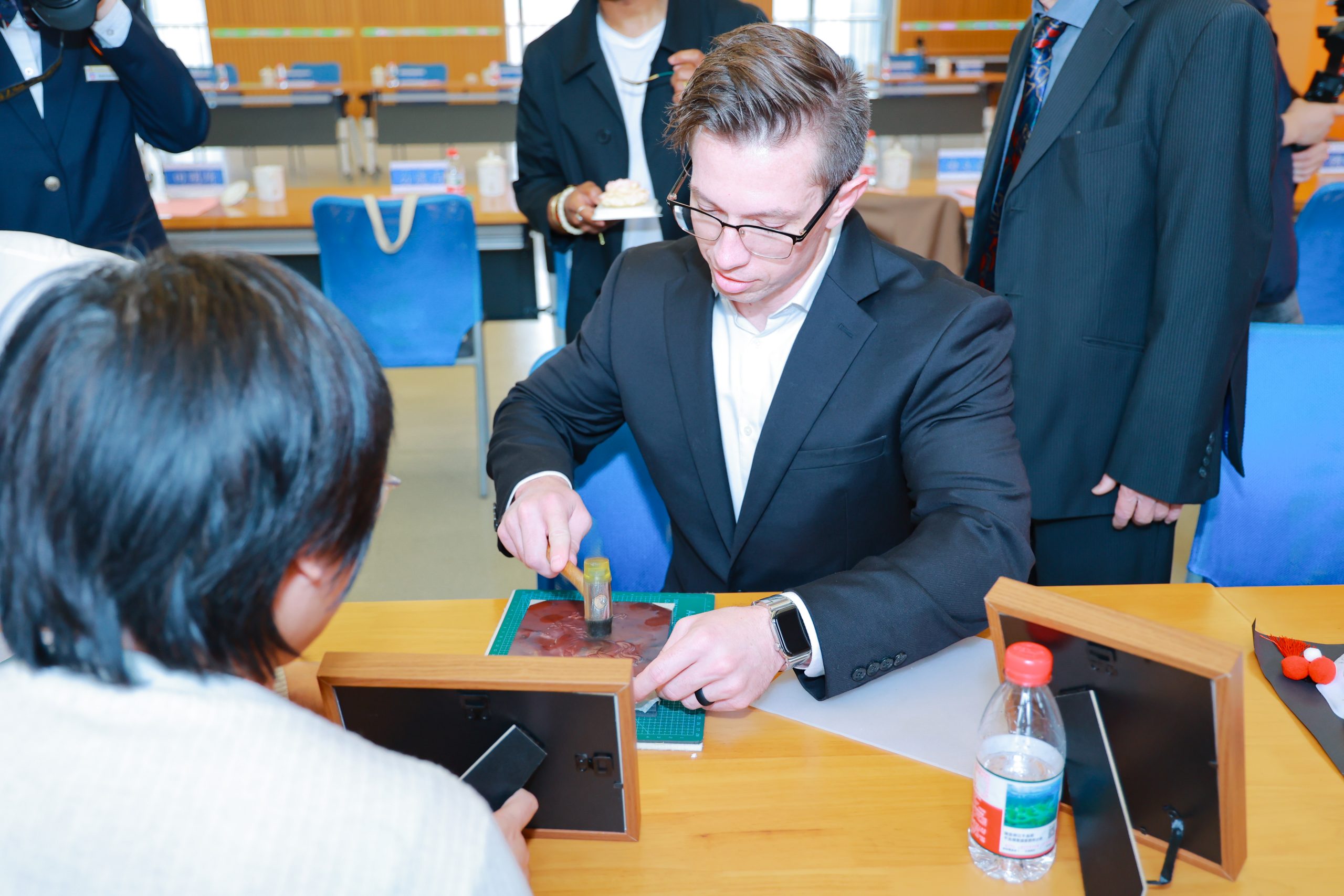
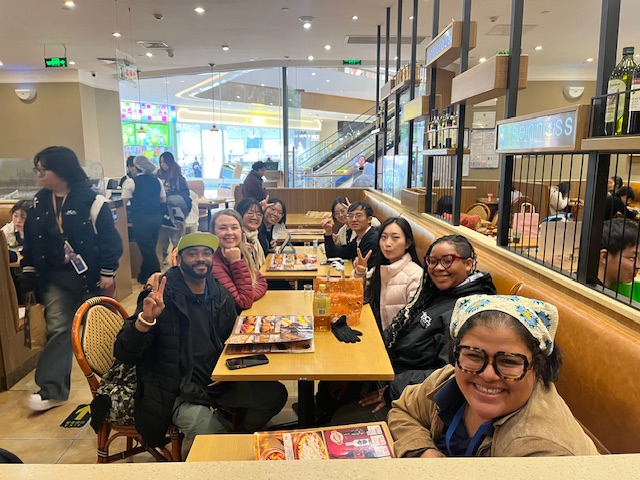
The April 2026 SCU Exchange Program in China took students through Shanghai and Sichuan Province, where they experienced Chinese culture, hospitality, food, natural landscapes, and traditional practices in daily life.
The program was made possible through support from the Chinese American Foundation and invitations from partner schools in China, including Shanghai Information Technology College, Shanghai Trade School, and Shanghai Material Engineering School. Unlike a traditional clinical internship, the April trip was designed as a cultural and international learning experience.
For students, the opportunity carried special meaning because of the selective nature of the program and the chance to represent SCU internationally.
“I was really excited for the opportunity,” said Shelby Wasson, an SCU Doctor of Acupuncture and Chinese Herbal Medicine student. “It’s one thing to travel to China to explore the culture that I’m learning so much about, but it’s completely different to travel with my classmates who also have the same interest and to explore the culture in a different way.”
Wasson described the experience as “incredibly privileged” and said traveling with classmates and representatives from Chinese schools gave students access to an experience they likely would not have had on their own.
Lauren Dredd also described the trip as an honor.
“It was a great honor and privilege to be able to represent SCU and be in such a small, intimate group,” Dredd said. “All the things that we got to do and experience were super well thought out.”
Students said one of the most meaningful parts of the trip was seeing how concepts they study at SCU appear in daily life, particularly through food, herbs, relationships, and community.
Wasson said she was struck by how herbal medicine and wellness practices were woven into meals and social gatherings.
“We learn them in the form of medicine, and we apply them in the form of capsules and granules from the clinic,” Wasson said. “However, we were exposed to the way medicine is taken, at least in the rural areas of China, which is through diet.”
She said the shared meals and community-based experiences helped her better understand the cultural context of Eastern Medicine.
“We can learn about that in class, and we can hear that in lecture, but to experience that, that’s going to shape my practice,” Wasson said.
Jennifer Echeagaray said visiting an herbal pharmacy was one of the moments that connected most directly to her education.
“Being able to walk through their pharmacy and seeing the raw herbs and seeing how they’re preserved over time, it just felt like traditional Chinese medicine is so widely adopted and very ingrained in the Chinese culture,” she said. “It was beautiful to see how these herbs were appreciated and respected in China.”
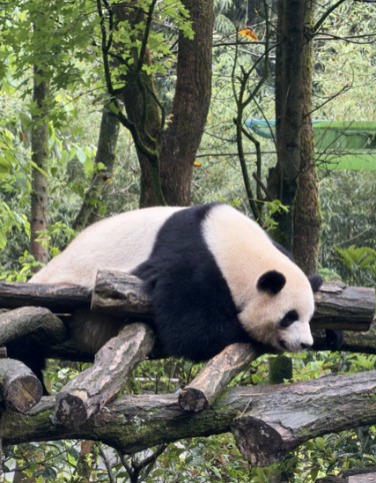
The April trip also exposed students to hospitality, language, traditions, and landscapes that many said they will carry with them personally and professionally. Students traveled through cities, villages, mountainous areas, and natural sites, including Tibetan communities in Sichuan Province. Students also received support from translators throughout the trip, which helped them engage more deeply with local hosts and daily interactions.
For Wasson, one of the most memorable moments took place in Kangding, a town in western Sichuan. After dinner, students joined community members in a city square for Tibetan dancing.
“Everyone from the town is coming to this place, and they’re all dancing,” Wasson said. “There’s no certain skill required, no certain dress or anything. Everyone and anyone is joining.”
She said the moment reflected a broader sense of connection.
“It’s an integrative society, and not just at meals, but in every aspect,” Wasson said. “To see that not only are meals shared together, but everything can be shared together, and it’s not an isolated experience.”
Dr. Blake Daniels, an SCU faculty member who accompanied students on the April trip, said it was his first time visiting China.
“Getting to be there and actually experiencing it and seeing what it’s like, it was eye-opening,” Daniels said. “Definitely something I’m going to remember forever.”
Academic Learning and Hospital Observation at TUTCM
The November 2025 trip to Tianjin University of Traditional Chinese Medicine offered students a different type of experience, with a greater focus on academic learning and hospital observation.
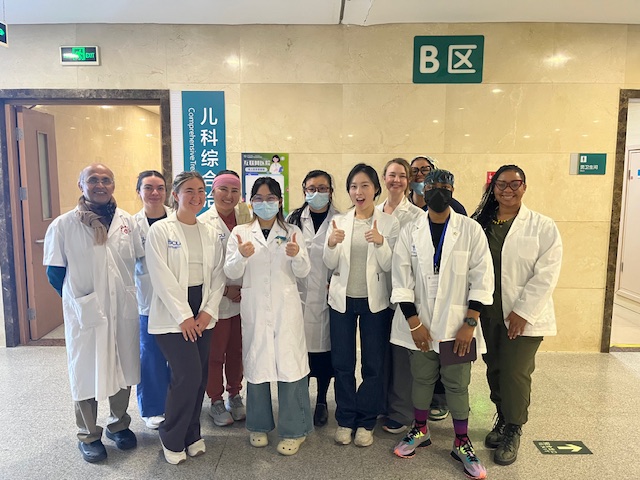
Through SCU’s relationship with TUTCM, students observed how Eastern Medicine is taught and practiced in China, including how acupuncture, herbal medicine, rehabilitation, diagnostic imaging, and other healthcare services may be integrated within hospital-based care.
For students, seeing acupuncture practiced in a hospital setting was especially impactful.
Wasson, who previously worked as a nurse, said the experience allowed her to compare healthcare systems and see how acupuncture could be incorporated into a broader clinical environment.
“It was great to be able to see how many departments were integrated together,” Wasson said. “The acupuncturist could send them to one department for some infrared therapy before their treatment. They could send them for X-ray, then bring the X-ray back. The acupuncturist would review the films with the patient present, check the pulse, and then put them into one of their own pods.”
She said the experience showed her that patient care did not have to be isolated.
“That was really great to see how many departments were integrated together,” Wasson said.
Zakarian said the TUTCM experience changed how she viewed herbal medicine, especially after hearing from an herbalist who described treating a serious liver condition.
“I think a lot of times in our program, when we’re learning herbology, it’s like, ‘Oh my gosh, why am I learning this?’” Zakarian said. “But hearing her experience and hearing that she was able to confidently treat somebody with a disease that is very scary to treat was very inspiring. It made me want to go back and study my herbs a lot more.”
Destiny Davis said observing stroke acupuncture protocols was especially meaningful.
“You’re seeing how the patients are coming in, and you see how concerned their family members are,” Davis said. “But the doctor is very confidently inserting, doing the protocol, with that knowledge that this is something that works.”
Joseph Brown III said studying at TUTCM helped turn classroom learning into something more tangible.
“Studying in Tianjin solidified for me the importance of compassion, patience, and communication in patient care,” Brown said. “Seeing a healthcare system outside of the USA opened my eyes to broader possibilities as a future practitioner. TUTCM transformed what I had been studying into something real, practical, and inspiring.”
Bringing the Experience Back to Practice
For many students, the two experiences in China helped reshape how they think about their future roles as practitioners.
Wasson said the trips showed her that Eastern Medicine is not limited to treatments, formulas, or techniques. It can also include lifestyle, relationships, community, and daily practices that support health.
“I’m going to ask my patients if they’ve danced lately,” Wasson said. “I’m going to ask them if they’ve shared meals with people lately. I’m going to encourage different ways that they can integrate Chinese medicine into their life.”
Zakarian said the trips reminded her of the importance of connection and community in healing.
“I want to bring that back to the school, also to the students,” Zakarian said. “You don’t have to go through this program alone.”
For Dr. Yu, that reflection captures the broader value of SCU’s international opportunities.
“These experiences help students see more than a technique or a treatment,” Dr. Yu said. “They help students understand the culture, the patient relationship, and the way Eastern Medicine can be part of a larger approach to health.”
For SCU’s Eastern Medicine students, the trips offered more than international travel. They provided access to meaningful cultural, academic, and clinical learning experiences while demonstrating how academic commitment, clinical preparation, and engagement in the SCU community can open doors to opportunities that shape students’ understanding of their future profession.
Related Posts