
Doctor of Physical Therapy – Phoenix Metro
Overview
As chronic health conditions become more prevalent, the aging population explodes, and our healthcare system places greater emphasis on preventative care, the demand for Physical Therapists (PTs) is on the rise. Leveraging a wide range of treatment modalities—from stretching and strengthening exercises to manual therapies like massage or joint manipulation to assistive technologies like ultrasound or electrical stimulation—PTs help individuals of all ages recover, improve, or maintain their physical abilities and quality of life.
SCU’s online-hybrid Doctor of Physical Therapy program provides a unique blend of remote and in-person learning, enabling students with a variety of work and life commitments to launch careers in this rapidly expanding field.
Program at a Glance
- Full-time, accelerated, hybrid program
- Completed in just 2 years (6 terms), compared to 3 years at many other institutions
- Largely online coursework, complemented by immersive and in-person clinical training
- Cadaver lab training, offering unparalleled insight into the shape, feel, and function of the body
- Advanced learning technology including virtual dissection technology, diagnostic imaging technology, and more
- Fixed tuition guarantee, federal financial aid for those who qualify, and a range of institutional scholarship opportunities, Financial Fact Sheet
Upcoming Start Dates
- Fall: August 30th, 2027
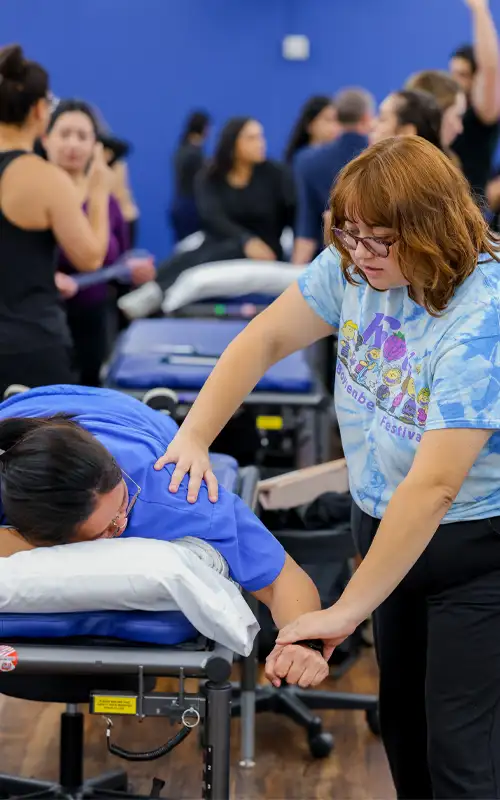
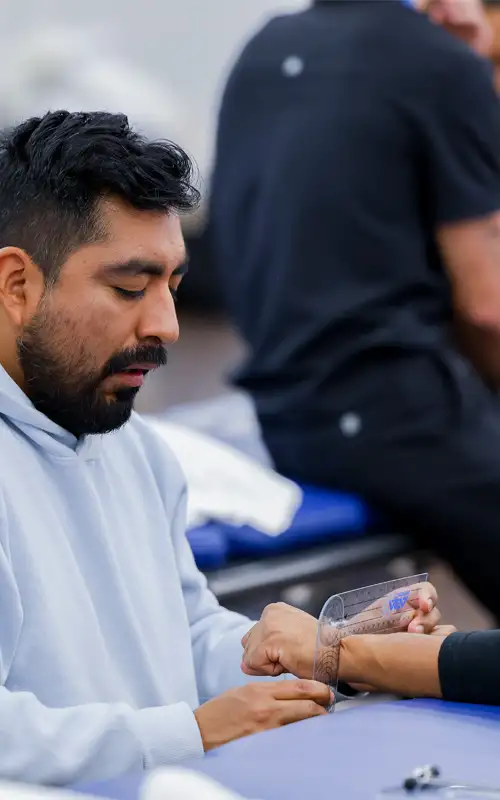
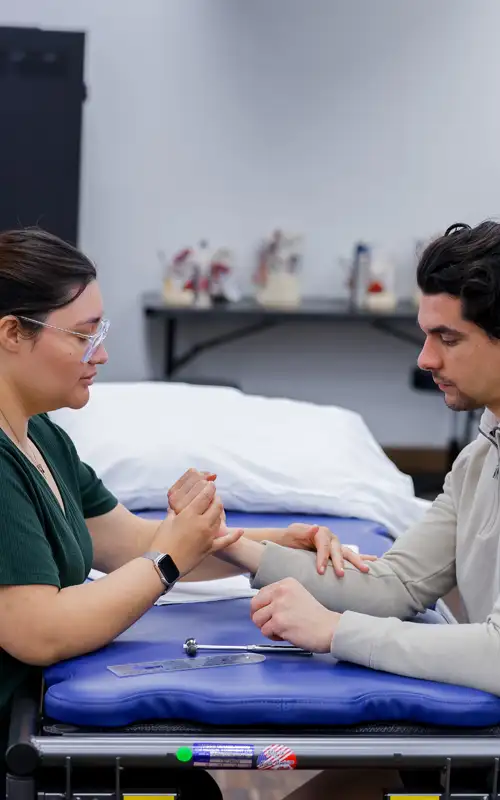
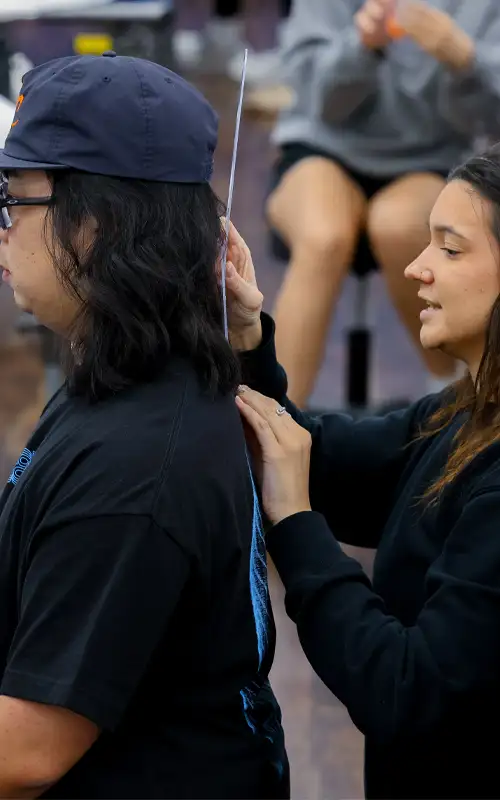
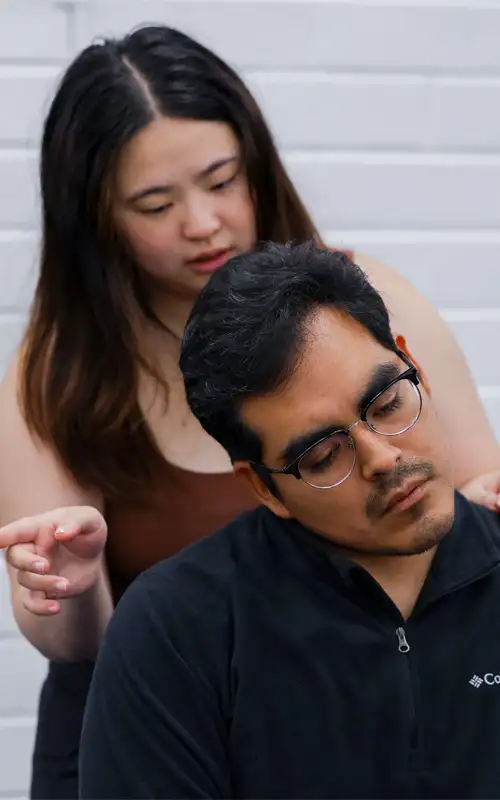
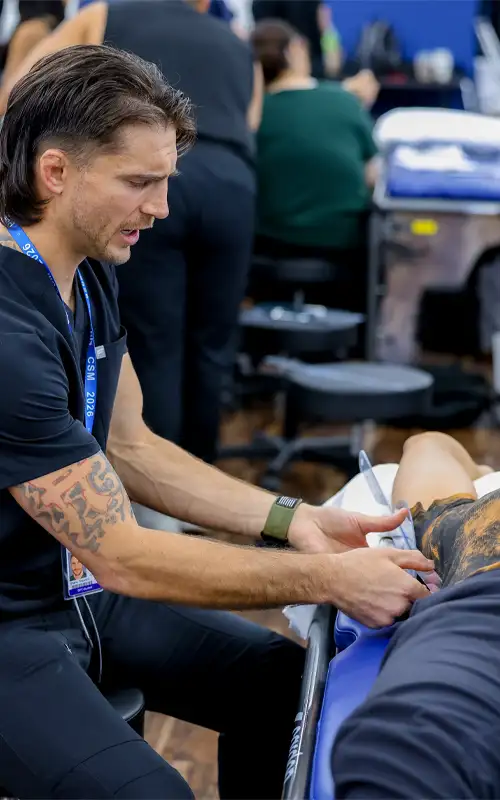
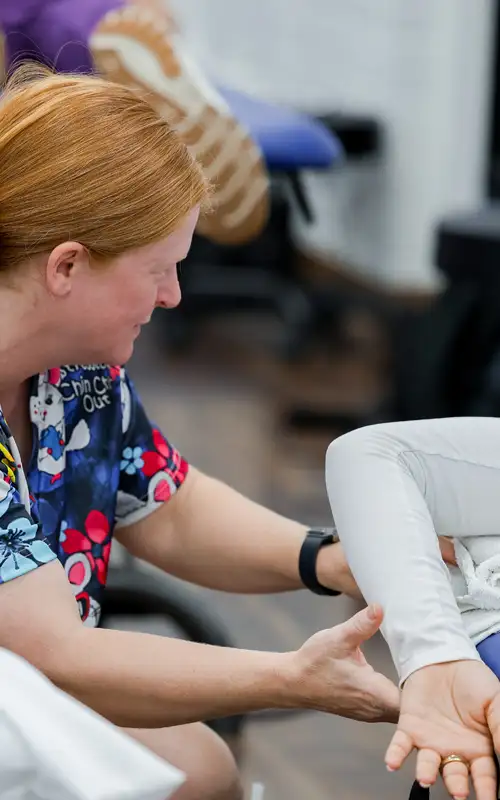
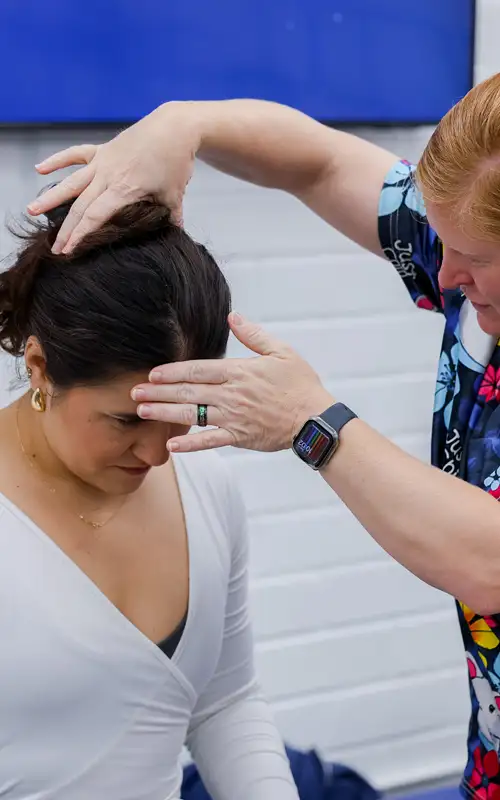
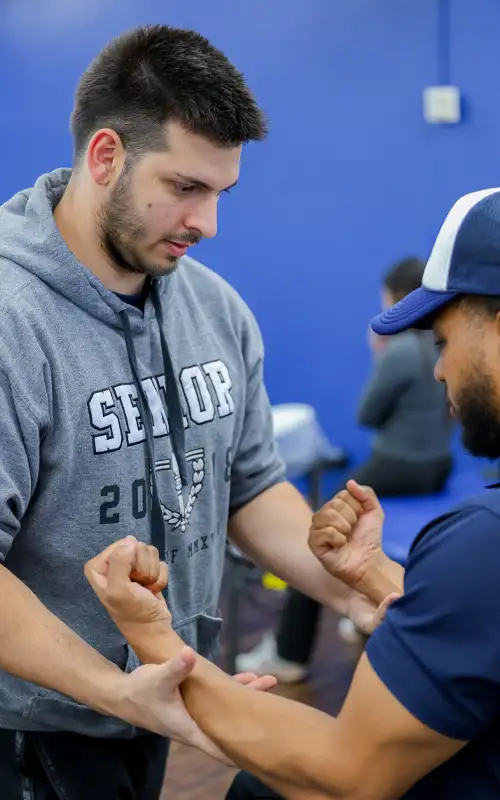
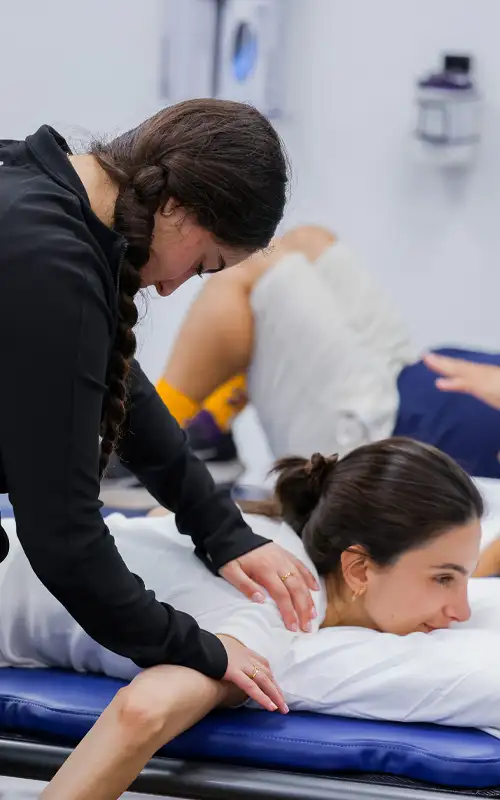
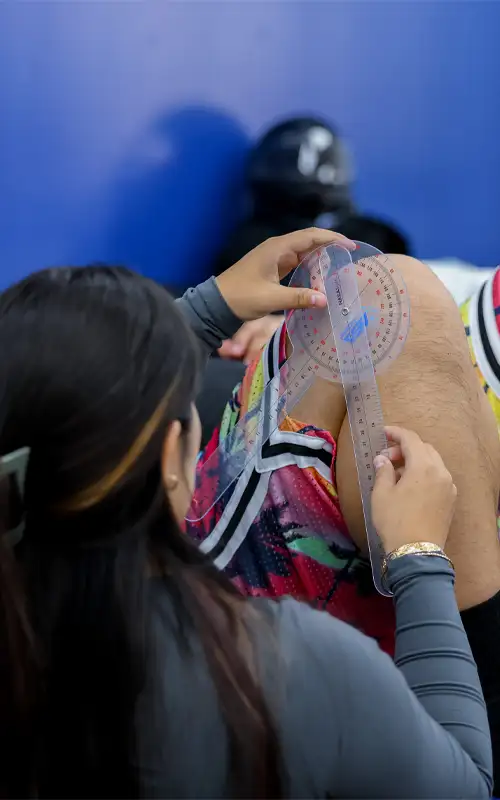
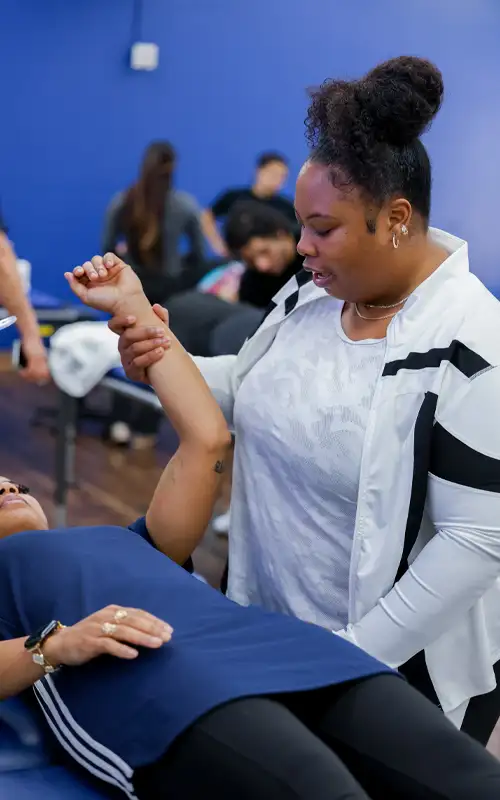
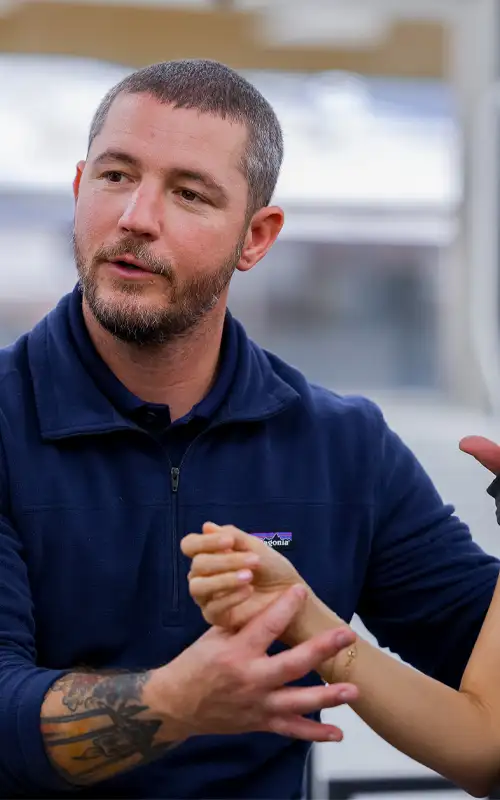
Click above to view the image gallery.
What Sets Our Program Apart?
FASTER, MORE FLEXIBLE FORMAT
While many Doctor of Physical Therapy (DPT) programs take roughly three years to complete, ours takes just two. And thanks to a unique blend of online and on-ground instruction, you can pursue your dream of becoming a PT without needing to relocate. At SCU, you’ll attend lectures online but receive essential hands-on training and clinical experiences in person. During Year 1, you’ll come to our Phoenix Metro location, located in Tempe, six times (7-10 days per visit) for immersive lab training. During Year 2, you’ll put your learning into practice during your real-world clinical rotations, at a location near your hometown (subject to availability).
DIVERSE CLINICAL ROTATIONS
As a PT student, you’ll have access to an extensive range of clinical education experiences to develop and hone your clinical skills. SCU collaborates with more than 500 clinical sites nationwide, offering placements in inpatient, outpatient, schools, home health, community-based care, and specialty practices such as sports medicine and neurological rehabilitation. These diverse clinical experiences reflect how contemporary care is delivered across settings, populations, and health systems, preparing graduates to succeed in a rapidly evolving healthcare landscape.
TECHNOLOGY-ENHANCED LEARNING
In addition to classroom lessons and hands-on clinical training, we support your learning through advanced teaching technology, including virtual dissection technology, interactive digital worksheets, simulated and live cadaver exposure, and diagnostic imaging technology.
CADAVER LAB
At SCU, you won’t learn anatomy solely through textbooks and technology. You’ll have the powerful opportunity to learn in our cadaver lab—a classic teaching method offering unparalleled insight into the shape, feel, and function of the body. During this awe-inspiring experience, you’ll examine prosections of real human tissues and structures, gaining an understanding of human anatomy that is simply not possible through textbooks and virtual models alone.
BROADER INTERPROFESSIONAL EDUCATION
SCU offers an “interprofessional education” through which students learn with, from, and about other disciplines. At SCU, our Interprofessional Education is broader and, frankly, we think that makes it better. We teach you about both conventional and complementary disciplines—not just one or the other—because we believe in both and we teach both, all under one roof.
AN INTEGRATIVE, WHOLE HEALTH APPROACH
All too often, healthcare providers “stay in their lanes” rather than building comprehensive care plans that include other disciplines, professionals, and approaches. In addition, they look strictly at the physical body as opposed to all the factors that may be influencing a patient’s health and well-being—genetics, lifestyle, mental health, relationships, physical environments, community support, and beyond. But at SCU, no matter what program you are in, you’ll learn to blend the best of conventional and complementary approaches (integrative healthcare) and to treat the entire mind, body, and spirit (whole health)—for true lasting wellness.
Accreditation Statement per CAPTE
Graduation from a physical therapist education program accredited by the Commission on Accreditation in Physical Therapy Education, 3030 Potomac Ave., Suite 100, Alexandria, VA 22305-3085; phone; 703-706-3245; accreditationsupport@apta.org is necessary for eligibility to sit for the licensure examination, which is required in all states.
Candidacy is considered to be an accredited status; as such the credits and degree earned from a program with Candidacy status are considered, by CAPTE, to be from an accredited program. Therefore, students in the charter (first) class should be eligible to take the licensure exam even if CAPTE withholds accreditation at the end of the candidacy period. That said, it is up to each state licensing agency, not CAPTE, to determine who is eligible for licensure. Information on licensing requirements should be directed to the Federation of State Boards of Physical Therapy (FSBPT;www.fsbpt.org) or specific state boards (a list of state boards and contact information is available on FSBPT’s website.
Southern California University of Health Sciences Doctor of Physical Therapy – Phoenix Metro location is seeking accreditation of a new physical therapist education program from CAPTE. On May 1, the program submitted an Application for Candidacy, which is the formal application required in the pre-accreditation stage. Submission of this document does not assure that the program will be granted Candidate for Accreditation status. Achievement of Candidate for Accreditation status is required prior to implementation of the professional phase of the program; therefore, no students may be enrolled in professional courses until Candidate for Accreditation status has been achieved. Further, though achievement of Candidate for Accreditation status signifies satisfactory progress toward accreditation, it does not assure that the program will be granted accreditation.