SCU Researcher Co-Develops Framework Linking Chronic Pain and PTSD Research

Millions of people live with both chronic pain and post-traumatic stress disorder (PTSD), yet healthcare often treats the two conditions separately. One provider may focus on physical rehabilitation while another addresses the psychological effects of trauma, leaving important connections between the two conditions overlooked.
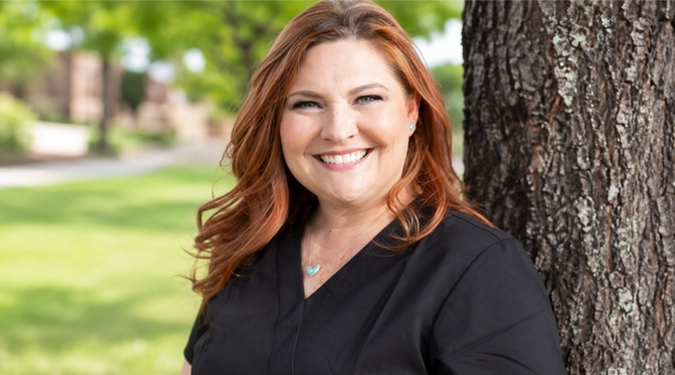
A new framework co-developed by Southern California University of Health Sciences researcher Dr. Steffany Moonaz (along with Dr. Marlysa Sullivan, a physical therapist and yoga therapist, and Dr. Belle Zaccari, a psychologist and yoga researcher )offers a different perspective—one that views chronic pain and PTSD as interconnected parts of a person’s health rather than separate diagnoses.
Published in the peer-reviewed journal Frontiers in Public Health, the COMPASS framework provides researchers and clinicians with a whole-person approach for studying how pain, trauma, movement, relationships, purpose, and a sense of safety influence one another.
“Chronic pain and PTSD are generally treated independently,” Dr. Moonaz said. “For people who live with both, the treatments for chronic pain may not be trauma-informed to consider their PTSD symptoms.”
The reverse can occur in PTSD care. Some PTSD treatments involve movement or body-based activities that may feel painful—or even unsafe—for a person who is also living with chronic pain.
COMPASS gives researchers and healthcare professionals a structure for examining both conditions together. It asks them to consider physical health, emotional health, relationships, personal values, body awareness, and safety as connected parts of one person’s experience.
How COMPASS Works
COMPASS draws from salutogenesis, a field that studies the factors that support health and well-being.
Many healthcare models begin with disease, symptoms, and risk. Salutogenesis adds another question: What helps a person feel safer, stronger, more connected, and more capable of managing a long-term condition?
The COMPASS name represents seven elements:
- Connectedness and cognitive flexibility
- Optimism and hope
- Mind-body regulation
- Purpose and values
- Awareness of the body
- Self-efficacy
- Safety
Together, these elements help researchers study how purpose, connection, confidence, body awareness, and self-regulation shape a person’s experience of pain and trauma.
Dr. Moonaz said COMPASS looks beyond temporary symptom relief. It examines how people can build health and quality of life as they manage conditions that may persist over time.
One Patient, One Experience
Dr. Moonaz provided an example of a patient who develops knee osteoarthritis after a serious exercise-related injury.
A clinician may recommend physical therapy or another form of movement. Yet the original injury may have created lasting fear. The thought of moving the knee can lower the patient’s sense of safety, heighten pain sensitivity, and make rehabilitation harder.
A plan focused only on strengthening the knee may miss those barriers.
COMPASS prompts the care team to examine physical safety, psychological safety, fear of movement, body awareness, confidence, social support, and personal goals alongside the rehabilitation plan.
The goal is not to place pain treatment and the PTSD treatment next to one another. It is to understand how both conditions shape the same person.
Ideally, Dr. Moonaz said, the conditions are “more than just considered in tandem but really treated as one human experience.”
Research Built Across Disciplines
Each researcher brought a different area of training and clinical experience to the project.
Dr. Sullivan contributed expertise in physical therapy and yoga therapy. Dr. Zaccari contributed training in psychology and yoga research. Both practice at the U.S. Department of Veterans Affairs, where chronic pain and PTSD often occur together.
Dr. Moonaz brought experience in yoga therapy research, clinical trials, and work with under-resourced urban communities. Her past work includes people receiving care through opioid treatment programs and advanced medical centers.
The researchers created the framework as a team. They developed the outline together, drafted sections based on their expertise, and reviewed the full manuscript before publication.
Their collaboration brought physical rehabilitation, mental health, yoga therapy, and clinical research into one model.
Connecting With SCU’s Whole Health Focus
COMPASS reflects SCU’s Whole Health focus by examining more than symptoms or a single diagnosis.
The framework considers how movement, environment, relationships, personal values, and self-regulation affect health. It has potential relevance for fields that address pain, trauma, behavioral health, and rehabilitation.
Those fields include physical therapy, occupational therapy, psychology, chiropractic, yoga therapy, and other areas represented across SCU’s academic community.
COMPASS is not currently part of an established treatment protocol or curriculum. Its value lies in providing students, faculty, clinicians, and researchers with a structure for discussing health concerns that span traditional professional boundaries.
Building the Next Stage of Research
COMPASS is still a conceptual framework, and future research will determine how it can best be applied and measured in clinical settings.
That work is already beginning.
According to Dr. Moonaz, researchers have started incorporating the framework into grant proposals, master’s theses, and doctoral dissertations.
“You never know what a paper like this will inspire,” she said. “We’ve been excited to see the very rapid uptake by colleagues in the field already.”
Future work may test the framework with patients and clinicians, examine how its seven elements can be measured, and study its use in different healthcare settings.
Through COMPASS, Dr. Moonaz and her collaborators have created a model for studying chronic pain and PTSD as connected parts of one patient’s health. The early academic response points to opportunities for new research, partnerships, and graduate scholarship.
Frequently Asked Questions About the COMPASS Framework
What is the COMPASS framework?
COMPASS is a conceptual model for studying chronic pain and post-traumatic stress disorder together. It examines how physical health, mental health, relationships, personal values, body awareness, confidence, and safety shape a patient’s experience.
Dr. Steffany Moonaz of Southern California University of Health Sciences developed COMPASS with Dr. Marlysa Sullivan and Dr. Belle Zaccari.
What does COMPASS stand for?
COMPASS represents seven connected elements:
- Connectedness and cognitive flexibility
- Optimism and hope
- Mind-body regulation
- Purpose and values
- Awareness of the body
- Self-efficacy
- Safety
These elements help researchers study the factors that support health, resilience, and quality of life.
Why should chronic pain and PTSD be studied together?
Chronic pain and PTSD often affect the same person. Each condition can influence movement, pain sensitivity, sleep, mood, confidence, and daily activities.
Healthcare providers often treat the conditions through separate services. COMPASS gives researchers and care teams a model for examining how the conditions interact.
What role does yoga play in COMPASS?
The researchers use yoga to show how mind-body practices can address movement, breathing, body awareness, stress regulation, personal values, and safety.
COMPASS is broader than yoga poses. The model can guide research into other practices that connect physical and mental health.
Related Posts