From Elite Athletes to Hollywood Sets: Dr. Joseph Horrigan Brings Real-World Sports Medicine Experience to SCU
SCU faculty member Dr. Joseph Horrigan reflects on a career spanning professional athletics, tactical sports medicine, motion-picture consulting, and the lessons he brings back to students.
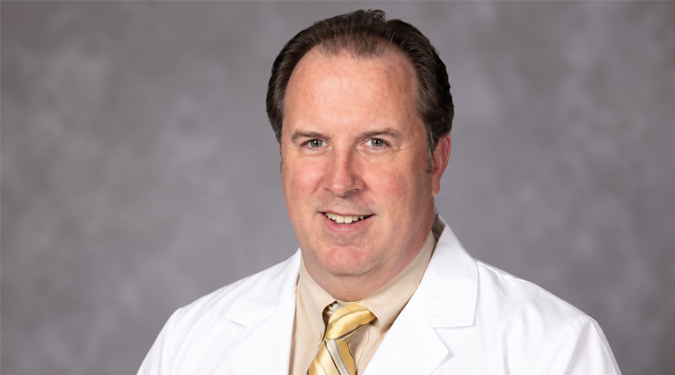
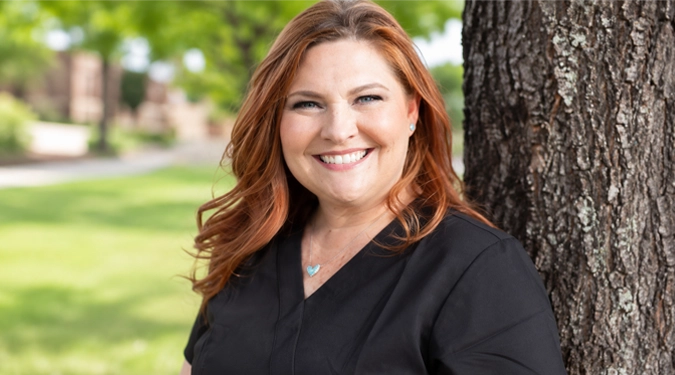
Joseph Horrigan, DC, DACBSP, knew what he wanted when he enrolled as a student at Southern California University of Health Sciences: a career in sports medicine.
That decision has taken him far beyond the traditional clinic. Over his career, Dr. Horrigan has worked with elite and professional athletes, contributed to Olympic-level sports medicine, served as Head Strength and Conditioning Coach for the Los Angeles Kings, consulted on major motion pictures, and helped develop SCU’s Tactical Sports Medicine program.
Yet much of that experience now comes back to where his career began: SCU.
Now an SCU faculty member, Dr. Horrigan uses lessons from decades of patient care and high-performance environments to help students understand not only clinical concepts, but how to apply them when the situation, patient, and stakes are different every time.
We had an opportunity to speak with Dr. Horrigan about his career, the experiences that shaped his approach to sports medicine, and the lessons he now brings into the classroom at SCU.
What initially drew you to sports medicine?
Dr. Horrigan: At the end of my sophomore year, I knew I wanted to study astronomy, meteorology, or the human sciences. If I selected the human sciences, I knew I wanted to pursue sports medicine. I obviously chose the human sciences. I entered SCU with the expressed intent to pursue sports medicine.
Your career has taken you into professional sports, Olympic-level athletics, teaching and the film industry. How did those experiences become connected?
Dr. Horrigan: Each component of my career is related to another. I wanted to learn from the best in many fields, so I sought out elite doctors for their knowledge. That improved the care I delivered to my patients and helped open opportunities in different sports.
Teaching helped private practice, and private practice helped teaching.
Film work started modestly and eventually led to greater responsibilities. Some projects involved treating injured actors and determining whether they could perform. Others were more focused on strength and conditioning. It all came back to quality of care and trust.
What did working with elite athletes (such as USA Track & Field, the Los Angeles Kings, and the 2012 Olympics) teach you about performance and recovery?
Dr. Horrigan: I have always admired a coach’s ability to produce peak performance from an athlete on a specific day. It is a science unto itself.
Performance is measurable. The stopwatch, measuring tape, or weight do not lie. What was also amazing to learn through testing was how unique the very best athletes are.
Recovery is often overlooked or underestimated. Unloading can serve an athlete well, and it does not have to mean simply resting. Hydration, preparation, and understanding the demands of the sport are all part of performance.
You have also worked as a consultant on motion pictures, including The Matrix, The Hunger Games, Seabiscuit, and more. What do people not see about preparing actors and performers for physically demanding productions?
Dr. Horrigan: I think most audiences do not understand the significant amount of preparation that goes into a performance, stunt, or action scene. These scenes are well thought through, planned, and then executed, sometimes through several takes.
It is best to understand what physical performance is expected and work backward from that endpoint to the beginning of preparation. That helps assure the actor, just like an athlete, will be ready.
Being involved early also matters. When injuries threaten production, the financial implications can be significant. It is much better to prepare and anticipate problems than to be called after they happen.
What makes caring for law enforcement officers, firefighters, and other tactical professionals different from caring for traditional athletes?
Dr. Horrigan: A lieutenant once told me, “Every day is game day. There is no offseason.”
That describes it well. There is no time to periodize a program the way you might with a competitive athlete. First responders can work staggering amounts of overtime. That affects sleep patterns and circadian rhythm and can contribute to fatigue, hypervigilance fatigue, and difficulty maintaining proper nutrition.
There is a health price tag associated with all of those factors, and there is much more work to do to improve their health
How does SCU prepare residents for the realities of sports and tactical medicine?
Dr. Horrigan: Our Sports Medicine Residents complete a rigorous two-year residency. They begin with an EMT course to help prepare them for what they may encounter at sports medicine events.
Residents also complete a two-tier sports medicine certification process involving written examinations, a practical examination, and field hours. They lead sideline teams at five local high schools, observe various clinical specialties, and can travel with teams across the United States or internationally.
They also obtain Level 1 coaching certifications in track and field and weightlifting. Throughout the residency, there is continual work in diagnosis, rehabilitation, and sports performance.
What do you hope students learn from the real-world experiences you bring into the classroom?
Dr. Horrigan: There is a difference between understanding basic concepts and applying those concepts to an individual patient.
Students need to understand the wide array of cases they will encounter and how the totality of their education can help them serve their patients and become an information source for them.
Sports medicine is not for everyone. The hours can be long, and you should do this work because you love it. But the knowledge gained through sports medicine education and training can benefit all of your patients, including recreational athletes.
I always knew sports medicine was right for me. I have never been bored for a single moment in my healthcare career. If I could go back, I would not change a thing.
Related Posts