What Value-Based Care Means for Integrative and Whole Person Medicine

The U.S. health care system is in the middle of a long and complicated shift.
For decades, doctors, hospitals, clinics, and health systems have largely operated under a fee-for-service model. In that model, providers are generally paid each time they deliver a service, such as an office visit, lab test, imaging scan, procedure, or hospital stay.
That structure helped build much of modern American health care. It created a clear way to reimburse providers, supported access to specialized services, and allowed health systems to be paid for the work they performed.
But it also created a persistent challenge. When payment is tied mainly to the number of services delivered, the system can unintentionally reward volume over outcomes. More visits, tests, procedures, and referrals can generate more payment, even when the best care may involve prevention, coordination, lifestyle support, early intervention, or helping patients avoid complications and chronic disease before they happen.
That is why value-based care has become one of the most important conversations in U.S. health care.
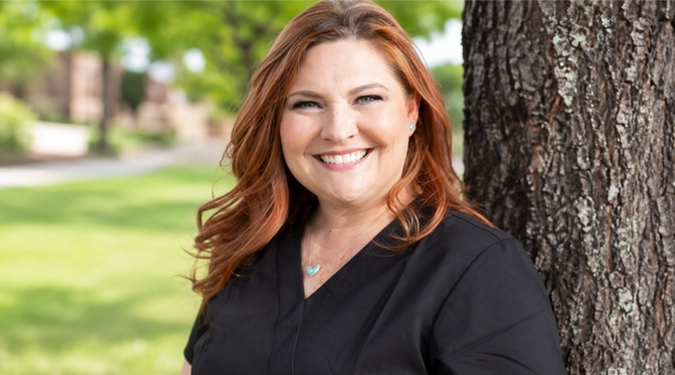
For Melissa Nagare, DC, L.Ac, Vice President for SCU Health, Chief Clinical and Whole Health Officer at Southern California University of Health Sciences, value-based care is about connecting health care decisions to what patients actually want and need and responsibly managing resources to decrease waste so that people who need care can get it.
That idea is at the center of the national movement from volume to value. The question is no longer only, “What service was provided?” Increasingly, health care leaders, payers, clinicians, and patients are asking, “Did the care improve health, function, experience, and long-term well-being in a meaningful and cost-effective way?”
Why the Shift Matters
The scale of the issue is significant. According to the Centers for Medicare & Medicaid Services (CMS), U.S. national health expenditures grew 7.2 percent in 2024 to $5.3 trillion, or $15,474 per person, and accounted for 18 percent of the nation’s gross domestic product.
At the same time, fee-for-service remains deeply embedded in the health care system, particularly in outpatient and ambulatory care. Under this model, providers are often reimbursed based on what was done, not necessarily whether the intervention improved the patient’s outcome.
Nagare said that creates a fundamental disconnect.
“The fee-for-service model dominates outpatient, ambulatory care, and it creates a fundamental problem: providers are rewarded for the volume of services delivered, not the outcomes achieved,” Nagare said. “A provider receives the same payment whether their treatment helped the patient, hurt the patient, or had no effect at all.”
That does not mean fee-for-service is always inappropriate. In many situations, it works. When a patient needs emergency care, surgery, diagnostic testing, or a specialist consultation, fee-for-service creates a straightforward way to pay for a specific service.
The challenge is that many of today’s most pressing health needs do not fit neatly into a single appointment, test, or procedure.
Chronic pain, diabetes, heart disease, mobility limitations, behavioral health concerns, stress-related conditions, and complex health needs often require more than one intervention. They require time, trust, prevention, follow-up, behavior change, care coordination, and a better understanding of what matters most to the patient.
Value-based care attempts to better support that kind of care by tying payment and accountability more closely to quality, outcomes, safety, patient experience, and cost-effectiveness.
CMS has stated a goal of having all people with Traditional Medicare in a care relationship accountable for quality and total cost of care by 2030. As of January 2025, CMS reported that 53.4 percent of people with Traditional Medicare were in an accountable care relationship with a provider.
Where Whole Health Fits
In integrative medicine and Whole Health, the shift toward value-based care is especially relevant.
Integrative medicine begins with a broader understanding of health. It recognizes that a person’s well-being is shaped not only by symptoms or disease, but also by physical, behavioral, emotional, social, environmental, and, at times, spiritual factors. It asks clinicians and care teams to look beyond the immediate diagnosis and consider the person’s goals, context, barriers, strengths, and daily life. Whole Health takes this one step further by recognizing that treatment using these integrative approaches is only part of the equation. Whole Health systems not only include integrative treatment, but also programs and opportunities to help people explore their meaning and purpose and feel empowered and equipped to pursue that meaning and purpose.
Nagare said a Whole Health approach cuts against the limitations of fee-for-service (FFS) in several important ways.
First, it shifts the focus toward whatever each person holds most dear. When patients understand what they want their health for, they often have stronger internal motivation to pursue their own well-being.
Second, Whole Health equips people with practical self-care tools, including nutrition, movement, sleep hygiene, stress management, relationships, environment, and other areas that influence health outside the clinic.
“These aren’t billable services under FFS, but they drive real outcomes,” Nagare said.
That distinction is important. A health care system built only around billable services may struggle to fully support the factors that help people improve and sustain their health over time. A value-based system, by contrast, is designed to emphasize whether care helps patients function better, prevent complications, manage chronic conditions, and improve quality of life.
The Veterans Health Administration has become one of the most visible examples of Whole Health implementation in the United States. The VA reported that Veterans with chronic pain who used Whole Health services had a threefold reduction in opioid use compared with those who did not. Opioid use among comprehensive Whole Health users decreased 23 to 38 percent compared with 11 percent among those with no Whole Health use.
Nagare pointed to the VA as an important example of how Whole Health can produce measurable outcomes, including decreased opioid use, which she described as the kind of result that a value-based system should recognize and support.
The Role of Integrative Care
Integrative and Whole Health care can play an important role in helping patients manage chronic conditions, improve function, prevent complications, and pursue better long-term well-being.
Nagare said the key is that these approaches treat the whole person, not just the symptom.
“Whole Health empowers and equips people to pursue what matters most to them,” Nagare said. “When people have clarity about their meaning and purpose, what they want their health for, they develop intrinsic motivation to take care of themselves.”
Integrative health supports this from the clinical side by emphasizing the patient-provider relationship, focusing on the mind, body, and spirit, and drawing from appropriate disciplines in an evidence-informed and coordinated way.
For someone managing a chronic condition, that can change the conversation. Instead of focusing only on symptoms, the care team can discuss the patient’s goals, preferences, daily routine, stressors, support system, and barriers to care. That creates an opportunity for shared decision-making and care plans that patients are more likely to follow.
Nagare said many of SCU’s disciplines, including chiropractic, acupuncture and Chinese herbal medicine, physical therapy, and occupational therapy, are aligned with the goals of high-value care because they can support outcomes such as improved function, pain management, mobility, prevention, and quality of life, often at lower cost compared with more intensive interventions.
She offered acute low back pain as one example. A patient who receives chiropractic care may experience improvement over several visits within a few weeks. Another patient may enter a pathway that includes imaging, specialist referral, prescription medication, and a longer timeline. In value-based terms, Nagare said, the question is whether the outcome can be achieved effectively, safely, and at a lower cost to the health care system.
That is where integrative and whole-person care can become especially relevant. The goal is not simply to add more services. The goal is to identify the right care, at the right time, in the right combination, based on what will help the patient achieve the best possible outcome.
Asking What Matters to The Patient
One of the most important ways Whole Health changes care is by shifting the starting question.
Instead of asking only, “What is the matter with the patient?” Whole Health also asks, “What matters to the patient?”
Nagare said that question can fundamentally change how care is delivered and how success is measured.
“If we aren’t asking people what matters to them, we’re just guessing, or defaulting to what the doctor thinks the goal should be,” Nagare said.
She recalled a patient with low back pain who was frustrated after being told she needed to lose weight and should swim. The recommendation did not fit the patient’s life. She did not know how to swim and had no desire to learn.
What mattered most to the patient was not missing work. Her back pain was causing absences, those absences were creating stress, and the stress was leading to overeating. A more effective care plan included mindfulness to help her distinguish stress from hunger, along with chiropractic and acupuncture care and targeted exercises she could do at her desk or at home.
“That care plan worked because it was built around her life, not a generic prescription,” Nagare said.
This is a critical point for value-based care. If success is measured only by symptom reduction, part of the patient’s story may be missed. If success also includes function, participation, satisfaction, and progress toward what matters most to the patient, then the care team can measure outcomes in a more meaningful way.
Nagare said Whole Health clinics can reflect this broader view by asking patients not only about symptoms, but also how satisfied they are with the things that matter most to them, how regularly they are engaging in those things, and how well they are functioning in those areas.
Preparing Future Health Professionals
The movement toward value-based care also has important implications for health care education.
Future clinicians will need strong technical and clinical skills. But they will also need to understand outcomes, quality, prevention, care coordination, patient experience, and the larger systems that shape health.
They will need to work across disciplines. They will need to communicate effectively with patients and colleagues. They will need to understand how to support behavior change, build trust, and help patients connect care plans to their own goals.
Nagare said students and future providers should seek educational experiences that emphasize these areas. She also pointed to continuing education opportunities, professional conferences in integrative medicine and health, motivational interviewing training, and the VA’s publicly available Whole Health resources as ways to deepen their preparation.
The larger message is clear. A health care system that increasingly emphasizes value will require providers who can think beyond the delivery of an isolated service.
They will need to ask whether the care improved the patient’s outcome. They will need to understand what the patient wanted to achieve. They will need to consider whether the care plan was sustainable, coordinated, evidence-informed, and meaningful.
SCU’s Role in The Future of Care
Value-based care is generating significant attention across the health care system, but Nagare said it is important to be honest about where things stand.
It is not yet the norm. The U.S. still operates largely within a fee-for-service environment, and many services continue to be reimbursed based on volume rather than value.
Still, Nagare said the shift is necessary.
“The current system is unsustainable, and the evidence supporting high-value integrative and Whole Health approaches continues to grow,” she said.
For SCU, that creates an important opportunity.
As health care continues to evolve, the future will require providers who understand that the goal is not simply to deliver a service. The goal is to help patients achieve outcomes that matter to them in ways that make sense for the broader health care system.
“SCU’s role in this is to train the next generation of providers who understand that the goal isn’t just to deliver a service,” Nagare said. “It’s to deliver an outcome that matters to the patient at a cost that makes sense for the system.”
That perspective aligns directly with integrative and whole-person medicine. It recognizes that health is not only the absence of disease, and care is not only the completion of a billable encounter. Health is shaped by function, purpose, behavior, relationships, environment, access, and the patient’s ability to participate in the life they want to live.
Value-based care is often discussed as a payment model. But its deeper significance is the question it asks of the health care system: What should care be designed to achieve?
For integrative and whole-person medicine, the answer is clear. Care should help people heal, function, prevent illness, manage complexity, and pursue what matters most in their lives.
That is the future value-based care is trying to build. It is also the future Whole Health has been preparing for.
Frequently Asked Questions
What is value-based care?
Value-based care is a health care approach that focuses on outcomes, quality, patient experience, and cost-effectiveness rather than the number of services delivered. Instead of asking only what service was provided, value-based care asks whether the care improved a patient’s health, function, experience, and long-term well-being in a meaningful way.
How is value-based care different from fee-for-service care?
In a fee-for-service model, providers are generally paid each time they deliver a service, such as an office visit, lab test, imaging scan, procedure, or hospital stay. Value-based care shifts the focus from volume to outcomes by placing greater emphasis on whether care improves health, supports prevention, reduces unnecessary services, and helps patients achieve meaningful results.
How does Whole Health connect to value-based care?
Whole Health aligns with value-based care because both approaches focus on the full context of a person’s health. Whole Health considers not only symptoms or disease, but also a person’s goals, lifestyle, environment, relationships, motivation, and ability to participate in the life they want to live. This supports care that is more personalized, preventive, coordinated, and centered on what matters most to the patient.
Why does integrative medicine matter in value-based care?
Integrative medicine can support value-based care by helping patients manage chronic conditions, improve function, reduce pain, prevent complications, and pursue better long-term well-being. By drawing from appropriate evidence-informed disciplines and emphasizing the patient-provider relationship, integrative care can help create care plans that are more realistic, personalized, and aligned with patient goals.
What does “what matters to the patient” mean in Whole Health?
In Whole Health, asking “what matters to the patient” means understanding the person’s goals, priorities, daily life, and reasons for wanting better health. This approach helps care teams move beyond generic recommendations and develop care plans that patients are more likely to follow because they are connected to the patient’s own life, purpose, and desired outcomes.
Why is value-based care important for future health professionals?
Future health professionals will need to understand more than diagnosis and treatment. As health care continues to shift toward value, providers will need to focus on outcomes, prevention, care coordination, communication, patient experience, and teamwork. They will also need to help patients connect care plans to their goals and long-term well-being.
What role does SCU play in preparing providers for value-based care?
SCU helps prepare future health professionals to think beyond the delivery of an isolated service. Through its focus on integrative and whole-person medicine, SCU emphasizes patient-centered care, interprofessional collaboration, prevention, outcomes, and the importance of helping people achieve health goals that matter in their daily lives.
Related Posts