Healthcare Knows What People Should Do. We Need to Get Better at Helping Them Do It.

Healthcare has long been captivated by breakthroughs. A new cancer therapy. A more precise surgical technique. An AI tool that detects disease earlier. A drug that targets a biological pathway we couldn’t reach before.
These advances matter enormously. But one of healthcare’s greatest opportunities may be much less technological: getting better at helping people turn what they know into what they can actually do in their everyday lives.
Helping people make meaningful, sustainable changes in their daily lives may sound decidedly low-tech compared with gene therapy, robotics, or AI. Yet many of the conditions placing the greatest burden on human health are profoundly influenced by what happens outside the laboratory or exam room—how we eat, move, sleep, manage stress, use substances, connect with others, and engage with our own health. The American Heart Association, for example, identifies eight key measures for improving and maintaining cardiovascular health: diet, physical activity, nicotine exposure, sleep, weight, cholesterol, blood glucose, and blood pressure. Its Life’s Essential 8 framework reflects just how closely everyday behaviors and clinical measures of health are connected.
We know these things matter. The harder question is why, despite everything we know about health, there remains such a persistent gap between knowing what supports health and being able to put that knowledge into practice.
Knowing What to Do Is Not the Same as Doing It
Most people already know that physical activity, nutritious food, and adequate sleep are important for health. Yet knowing what to do and actually doing it are very different things.
Consider the gap. According to the CDC, just 12.3 percent of U.S. adults meet the recommendations for fruit intake and just 10 percent for vegetable intake. And despite widespread awareness of the importance of sleep, 37 percent of U.S. adults report getting fewer than seven hours a night. (CDC; CDC)
The problem isn’t simply a lack of knowledge. What people are able to do for their health is shaped by their environment, stress, relationships, culture, finances, competing priorities, access to resources, and the realities of daily life. The U.S. Preventive Services Task Force notes, for example, that social determinants can influence health by shaping access to healthy foods and opportunities for physical activity.
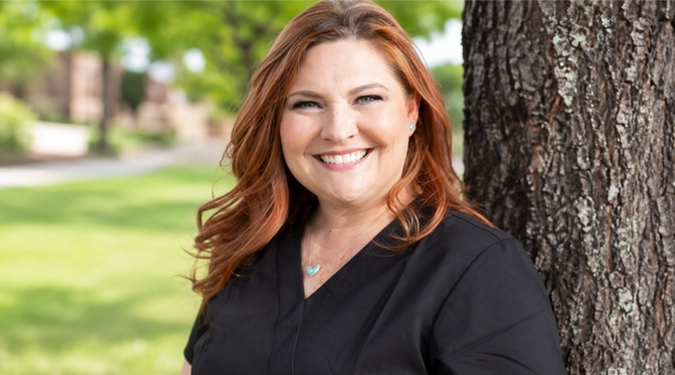
“Most people already know a lot about what they ‘should’ be doing for their health. The challenge is figuring out what actually matters to them, what fits in their life, and where they’re ready to begin. That’s very different from simply giving someone more information or advice,” says Kelly Howard, NBC-HWC, adjunct faculty member in Southern California University of Health Sciences’ Doctor of Whole Health Leadership program and a Whole Health Coach.
The answer, then, isn’t simply to tell people to try harder. If so much of health is shaped by what happens in everyday life, healthcare needs to become better at helping people bridge the gap between clinical recommendations and the realities of their lives.
We Already Know What Happens Outside the Clinic Matters
Consider type 2 diabetes prevention. In the landmark NIH Diabetes Prevention Program, an intensive lifestyle intervention focused on diet, physical activity, and modest weight loss reduced the risk of developing type 2 diabetes by 58 percent over approximately three years—and by 71 percent among adults 60 and older. By comparison, the drug metformin reduced risk by 31 percent.
Cardiovascular disease provides another example. The U.S. Preventive Services Task Force found that behavioral counseling for adults with cardiovascular risk factors can improve blood pressure, cholesterol, blood glucose, weight, diet, and physical activity—and, in turn, reduce cardiovascular events.
The evidence is not the missing piece. The harder question is whether healthcare is structured to provide the kind of sustained, person-centered support that helps people apply what we know in their own lives. We prescribe medications and systematically monitor the response, but recommendations related to sleep, physical activity, nutrition, stress, or other aspects of health are often delivered in a brief conversation with little ongoing support.
Advice is Not the Same as Support
If healthcare became as intentional about supporting people between clinical visits as it is about making recommendations during them, the conversation would look very different. We wouldn’t simply ask whether a patient exercises. We would ask what makes exercise difficult—or possible—in that person’s life. We wouldn’t simply recommend a healthier diet. We would consider what foods are accessible, affordable, culturally appropriate, and realistic. And we wouldn’t expect a single conversation during an annual physical to reverse behaviors developed over decades.
The most effective behavioral interventions are not simply instructions to “live healthier.” The USPSTF found that successful interventions commonly involved repeated contact over months, along with techniques such as goal setting, problem solving, self-monitoring, and motivational interviewing. In addition, they often involve professionals beyond the physician, including nurses, dietitians, exercise specialists, physical therapists, behavioral counselors, and lifestyle coaches.
In short, knowing what to do is only the beginning. People also need support translating recommendations into their own lives
Howard says that distinction is fundamental to health coaching. “Telling someone what to do and helping someone make change are two very different things. A health coach isn’t there to hand someone another list of instructions. We help people step back, identify what matters most, recognize what may be getting in the way, and decide what they’re ready to do next. The person, not the coach, is the expert on their own life.”
And that kind of support shouldn’t have to end when the patient leaves the clinic. Wearables, remote monitoring, digital tools, and AI can extend support beyond the clinical encounter by helping people see patterns and track progress. But data and technology alone cannot create meaning, motivation, confidence, or agency. Those remain fundamentally human dimensions of health.
From Treating Disease to Enabling Health
None of this is an argument for lifestyle instead of medicine. People will always need excellent clinical care. But treating disease and helping people build health are not the same thing—and healthcare needs to be capable of doing both.
That distinction is central to a Whole Health approach.
“Whole Health starts by changing the conversation. Instead of focusing only on ‘What’s the matter with you?’ we also ask, ‘What matters to you?’ and ‘What do you want your health for?’” Howard says. “Maybe it’s having the energy to play with your grandchildren, being able to travel, continuing to do work you care about, or simply feeling better in your daily life. When people can connect what they’re doing for their health to something that genuinely matters to them, it becomes much more meaningful.”
Much of what shapes our health happens outside the clinic—in kitchens and grocery stores, workplaces and communities, and in the countless decisions people make every day. Healthcare cannot make those decisions for people, but it can do much more to help people make choices that support the health and life they want.
The opportunity, then, is not to choose between medicine and lifestyle, technology and human connection, or treatment and prevention. It is to build a healthcare system capable of doing all of them well.
We already know a great deal about what supports health. The next challenge is turning that knowledge into something people can actually use in their lives—helping them identify what matters, build the confidence and skills to make changes, navigate the barriers in their way, and take meaningful steps toward the health and life they want.
Related Posts