Where Passion Meets Purpose: SCU Celebrates Match Day 2026
A Q&A with Stephanie Gandomi on the milestone that launches careers and reflects the future of genetic counseling
Every spring, aspiring genetic counselors across the country wait for one defining moment: Match Day.
For applicants, it is the culmination of years of preparation, academic work, volunteer experience, interviews, and personal reflection. For graduate programs, it marks the arrival of a new cohort of students who will help shape the future of the profession.
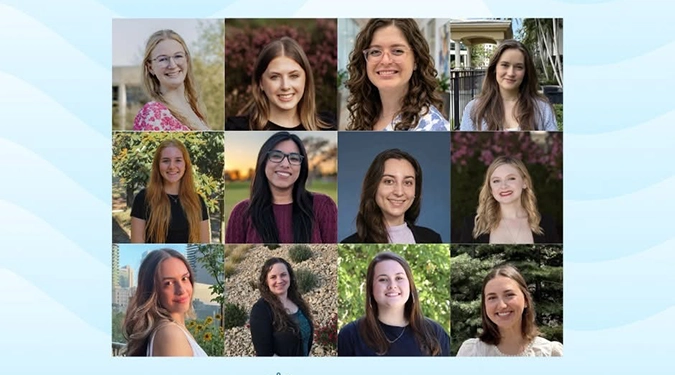
At Southern California University of Health Sciences, Match Day 2026 was both a celebration and a milestone for the Master of Science in Genetic Counseling program. This year, SCU welcomed 12 matched students into the incoming cohort, joining 12 students in the program’s current cohort. The result reflects a competitive admissions cycle and the program’s continued focus on building a close, engaged learning community.
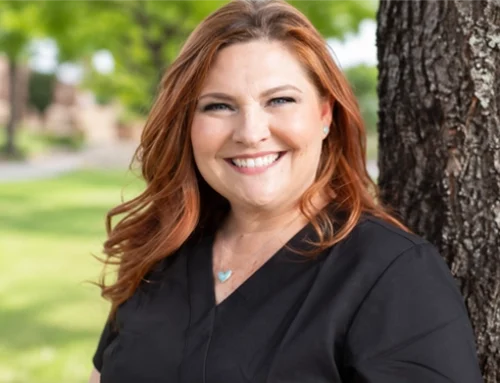
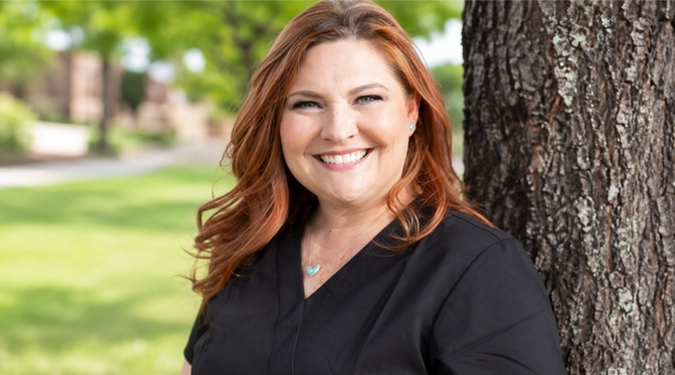
Stephanie Gandomi, Program Director for SCU’s Master of Science in Genetic Counseling program, reflects on what Match Day means for applicants, programs, and the future of a field that continues to grow in importance across healthcare.
For readers who may not be familiar, what is Match Day in genetic counseling, and why is it such an important milestone?
Stephanie Gandomi: Match Day is the culmination of a highly structured, nationwide process by which students who aspire to become genetic counselors are paired with accredited graduate programs.
The process is administered by the National Matching Service for Genetic Counseling. Applicants submit materials, interview with multiple programs, and then submit a ranked preference list of the programs they would most like to attend. Programs simultaneously submit their own ranked lists of preferred applicants. A computer algorithm then generates the matches that best satisfy both sides.
The significance of Match Day cannot be overstated. For students, it represents the answer to years of undergraduate preparation, volunteer work, shadowing experiences, and the emotional investment of applications and interviews. It is the moment when their future becomes concrete.
For programs, Match Day reflects the results of recruitment efforts, faculty commitment, and the program’s reputation within the field. It signals who will fill seats in classrooms, clinics, and laboratories and, ultimately, who will go on to serve patients and families navigating some of the most complex and emotionally charged moments of their lives.
Match Day is also a marker of the health and vitality of genetic counseling as a profession. The number of applicants and matched students each year tells a story about where the field is headed and how it is perceived by the next generation of healthcare professionals.
What does Match Day represent for SCU’s Master of Science in Genetic Counseling program specifically?
Gandomi: SCU’s MSGC program is rooted in a commitment to integrative, patient-centered health sciences education. We do not just train genetic counselors. We work to form professionals who understand that their work exists at the intersection of science, story, and whole-person healthcare.
For our program, Match Day marks the moment when students commit to SCU, and we commit to them. That commitment includes an education rooted in clinical excellence, research literacy, reflective practice, and deep respect for the communities they will serve.
Each cohort brings new energy, perspectives, and potential to advance the field and carry our mission forward.
Match Day also reaffirms our place within the broader landscape of genetic counseling education. It validates the investments our faculty, staff, clinical partners, and accreditation bodies have made in building a program that attracts and shapes exceptional students.
What can you share about this year’s Match Day results for SCU?
Gandomi: We are thrilled to share that Match Day 2026 was an outstanding success for our program.
This year, 12 students matched with SCU and will join the Master of Science in Genetic Counseling program’s incoming cohort. They will join a program community that also includes 12 students in our current cohort.
Our incoming students reflect the breadth and depth of talent entering the genetic counseling field. They come from diverse academic backgrounds, including biology, psychology, public health, and education. They also bring a range of lived experiences that will enrich our classroom conversations and clinical training.
Applicant interest in SCU’s program continues to grow. We received a highly competitive pool of applications this cycle, reflecting both the program’s rising reputation and the surging national interest in genetic counseling as a profession.
Among this year’s incoming cohort, we are proud to see students with prior experience in pediatric clinics, cancer centers, reproductive health settings, and genetics research laboratories. Several incoming students also have backgrounds in advocacy and community health work, which aligns with our program’s emphasis on serving underserved and diverse populations.
As Program Director, what was your reaction when you saw this year’s Match results?
Gandomi: Gratitude. That is the word that comes to mind first.
Every year, I am humbled by the caliber of students who choose to invest their time, energy, and trust in our program. Seeing the results come in on Match Day is one of those rare professional moments that never loses its power, no matter how many times you have experienced it.
This year, I felt an added sense of excitement because our matched students are thoughtful, curious, compassionate, and driven. They asked hard questions during their interviews and exhibited the kind of intentionality that shows they understand genetic counseling is not just a career, but a calling.
What excited me most was not only the match results themselves. It was what happened after.
Our inaugural cohort, who never cease to impress me with their creativity and drive, immediately reached out to welcome the incoming students. They built connection right after Match Day and offered their support. That kind of community does not happen by accident. It happens when you have the right people, and we are fortunate to have them in both cohorts.
What qualities stood out among the students who matched with SCU this year?
Gandomi: Several qualities came through clearly and consistently across our incoming cohort.
First and foremost: empathy.
Every student who stood out during our process demonstrated a genuine capacity for sitting with patients, families, and challenging situations. Genetic counseling often means delivering difficult information that changes lives. The ability to do that with grace, honesty, and care is foundational.
Second, intellectual curiosity. The best genetic counselors are lifelong learners. Our incoming students demonstrated an eagerness not just to know the answers, but to ask better questions. They were candid about what they did not yet know and enthusiastic about the learning ahead.
Finally, resilience. Many of our incoming students have navigated significant challenges personally, academically, and professionally. That resilience will serve them well in a field that demands both technical precision and emotional endurance.
How does Match Day reflect the growing interest in genetic counseling as a profession?
Gandomi: The numbers speak clearly: genetic counseling is one of the fastest-growing allied health professions in the United States, and Match Day statistics reflect that momentum year over year.
The demand for genetic counseling services has accelerated dramatically with advances in genomic medicine. As genomic information becomes increasingly central to medical care across specialties, the need for skilled professionals who can interpret, communicate, and contextualize that information has never been greater.
We see this growth reflected not just in raw application numbers, but in the diversity of pathways students are pursuing.
Genetic counselors are no longer working exclusively in traditional prenatal or oncology settings. They are embedded in cardiology clinics, neurology departments, primary care practices, and biotechnology companies. They are shaping policy, leading research, and building telehealth platforms.
The breadth of interest we see among applicants mirrors the expanding scope of the profession itself.
Match Day is, in many ways, a reflection of the field’s future. Looking at our incoming cohort this year, that future looks bright, diverse, and deeply committed to the patients and families who need this specialty most.
How does SCU’s approach to genetic counseling education prepare students to serve patients, families, and communities?
Gandomi: Our curriculum is built on the conviction that excellent genetic counseling requires both scientific mastery and humanistic depth.
We integrate foundational coursework in medical genetics, genomics, and laboratory methods with equally rigorous training in psychosocial counseling theory, communication skills, cultural humility, and ethics. This is how genetic counseling works in clinical practice.
Our clinical training partnerships span a range of specialties and settings, from major academic medical centers and children’s hospitals to community clinics and telehealth platforms. We intentionally place students in environments that reflect the diversity of patients they will serve.
We want our graduates to be prepared not just for the cases in the textbook, but for the full complexity of real human lives.
We also place strong emphasis on reflective practice. Students engage in regular supervision, case consultation, and structured self-reflection throughout their training. We believe that the capacity for self-awareness, including understanding one’s own biases, emotional responses, and communication patterns, is a critical skill for all healthcare professionals.
What message would you like to share with the students who matched with SCU and are preparing to begin this next chapter?
Gandomi: We are thrilled to have you at SCU.
You have chosen a profession that matters profoundly, and you have chosen a program that will push you, support you, and believe in you. We have been waiting for you.
The road ahead will be challenging in all the best ways. You will be asked to hold knowledge and uncertainty simultaneously. Lean into that growth. Trust your cohort and faculty. We are here not just to teach you, but to learn from you.
And trust yourselves. You earned this match. The patients and families you will serve one day are fortunate that you chose this path.
Related Posts