The State of Acupuncture & Chinese Medicine in 2026

By Dr. Jenny Yu, DACM, LAc.
In 2026, acupuncture and Chinese medicine are experiencing a period of meaningful growth and maturation. The field has evolved well beyond being viewed solely as an alternative therapy and is increasingly recognized as a valuable component of integrative healthcare. Patients, providers, and health systems are seeking safe, evidence-informed approaches to address pain, stress-related conditions, women’s health, digestive disorders, and overall well-being.
The profession itself is also advancing through stronger research, improved clinical standards, and closer collaboration with conventional medicine.
Integration Into Modern Healthcare Is Expanding
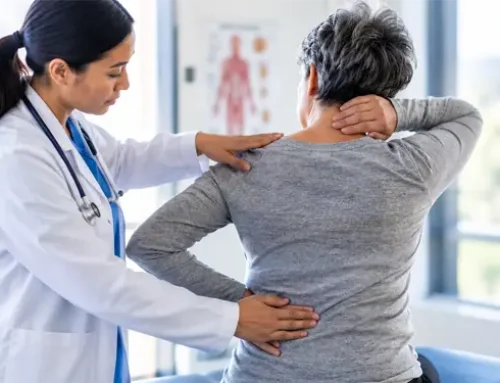
One of the most significant developments in recent years is the growing integration of acupuncture into mainstream healthcare settings. Hospitals, community clinics, Veterans Affairs systems, and multidisciplinary pain programs are increasingly incorporating acupuncture as part of comprehensive care models.
This shift reflects a broader transformation in healthcare that prioritizes team-based and patient-centered approaches. Acupuncture is no longer positioned on the margins. It is now being recognized as a complementary modality that can enhance outcomes and improve patient experience.
Research Is Strengthening Credibility and Adoption
The expanding body of research has played a critical role in advancing the field. Studies focusing on chronic pain, neurological recovery, mental health, oncology support, and quality-of-life outcomes continue to build a stronger evidence base for acupuncture and Chinese medicine.
As more high-quality studies, systematic reviews, and clinical guidelines include acupuncture, particularly in pain management and supportive oncology care, physicians and insurers are increasingly open to incorporating it into standard care protocols.
Research is also helping define best practices, appropriate referrals, treatment frequency, and measurable outcomes. While continued research is needed, especially in whole-systems Chinese medicine models which focuses on whole person care rather than just isolated symptoms or organs, the progress made so far has significantly elevated the credibility of the profession.
Patient Demand Is Driving Growth
Another key factor shaping the field is growing patient demand.
Today’s patients are looking for care that goes beyond symptom management. They are seeking treatments that address root causes, are low-risk, affordable, and support overall health and wellbeing. Many are also searching for non-pharmacologic solutions to manage pain, stress, insomnia, and chronic conditions.
Healthcare providers are recognizing this shift. Acupuncture is increasingly seen as a valuable complement to conventional care. It can improve patient satisfaction and, in many cases, reduce reliance on medications or more invasive interventions.
As healthcare continues to move toward prevention and whole-person care, acupuncture aligns naturally with these priorities.
The Role of Education in Advancing the Profession
As the field grows, the importance of high-quality education and training becomes even more critical.
“Excellence in healthcare begins with excellence in education.”
Strong academic programs ensure that practitioners are clinically competent, ethically grounded, and prepared to work within modern healthcare systems. Today’s practitioners must not only master traditional theory and techniques but also develop a strong understanding of anatomy, safety, evidence-informed practice, interprofessional collaboration, and patient-centered communication.
Public awareness is equally important. Patients should understand the level of training their practitioners have received. The difference between comprehensive professional education and minimal training can significantly impact the quality of care and safety.
Opportunities and Challenges Ahead
Looking ahead, the opportunities for acupuncture and Chinese medicine are substantial.
The field is positioned for broader insurance coverage, greater inclusion in team-based care, expanded roles in pain management and preventive medicine, and continued growth in public demand for holistic approaches to health. There is also strong potential for innovation in research, technology-enabled practice, and community-based care delivery models.
At the same time, challenges remain.
Reimbursement limitations, variations in state regulations, and ongoing public misunderstanding of the profession continue to impact growth. Ensuring that patients seek care from properly trained practitioners is also an ongoing concern. Continued investment in rigorous research will be essential to support long-term advancement.
Another important challenge will be maintaining the depth and philosophy of Chinese medicine while integrating effectively into modern healthcare systems. It is important to honor the tradition and embrace the modern.
Preparing the Next Generation of Practitioners
The future of acupuncture and Chinese medicine will depend on practitioners who can bridge tradition and innovation. These clinicians must respect the roots of the discipline while engaging confidently in contemporary healthcare environments.
Institutions like Southern California University of Health Sciences (SCU) play an important role in shaping that future. By emphasizing integrative, evidence-informed, and collaborative care models while maintaining a strong foundation in traditional principles, SCU is preparing graduates to succeed in a rapidly evolving healthcare landscape.
Through strong academics, hands-on clinical experience, and interdisciplinary education, the next generation of practitioners will not only deliver high-quality care but also contribute to redefining the future of healthcare.
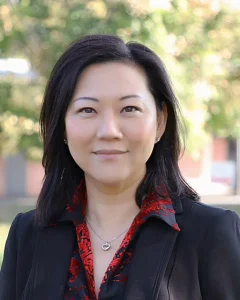
Dr. Jenny Yu, DACM, LAc. – Dean, College of Eastern Medicine at Southern California University of Health Sciences
Dr. Jenny Yu holds a Doctor of Acupuncture and Chinese Medicine from Pacific College of Health and Science, a Master of Science in Acupuncture and Oriental Medicine from South Baylo University, and a Bachelor of Arts in Linguistics from the University of Southern California. In addition to having over 20 years in private practice and teaching experience, Dr. Yu is also a published author of several peer-reviewed journal articles, two books on Herbal Medicine, and lectures in professional conferences.
Dr. Yu has played a leading role in integrating Traditional Chinese Medicine (TCM) into mainstream U.S. healthcare. Under her leadership, SCU became the very first entry-level doctoral degrees in TCM to be recognized in California, and one of the first two to be ACAHM-accredited in the United States—and SCU has become a hub for global collaboration with China’s most prestigious universities.
Related Posts