Is Biotechnology a Good Career? Exploring the Growth and Opportunities

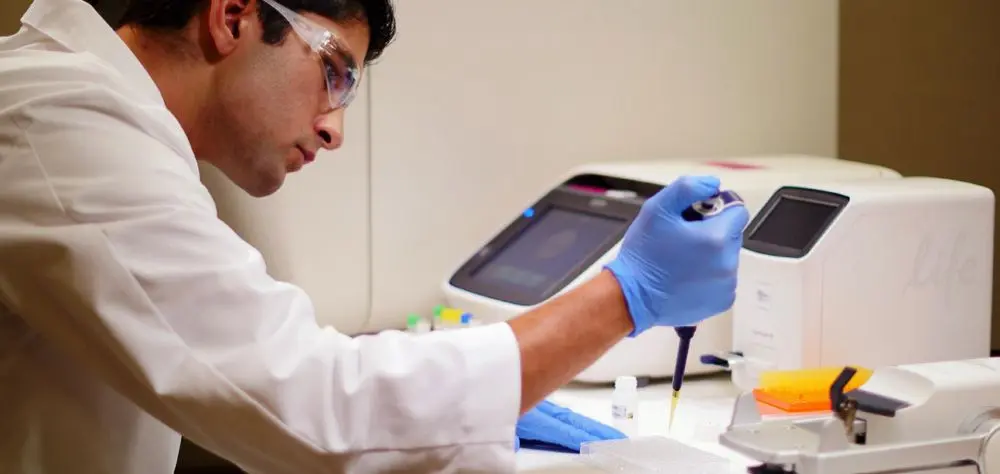
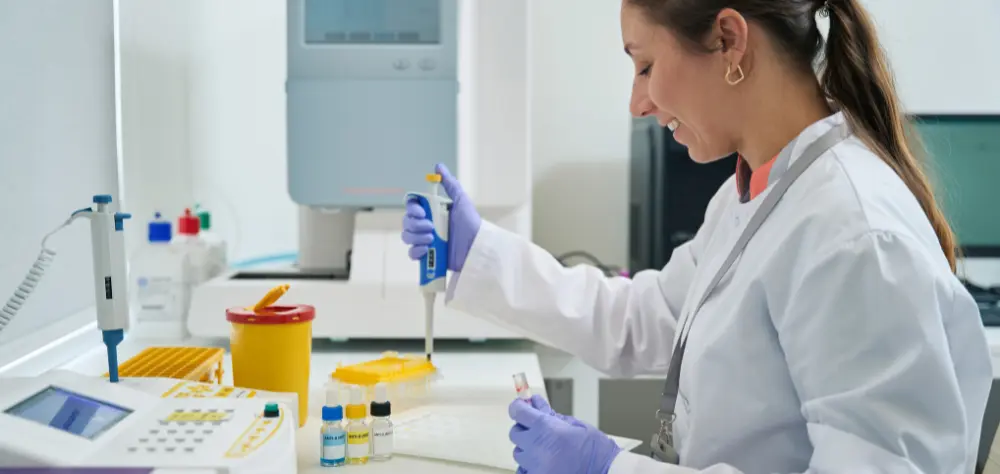
Is biotech a good career? With its rapid growth and dynamic intersection of biology, technology, and innovation, biotechnology offers vast opportunities across sectors like healthcare, agriculture, and environmental sustainability. Professionals in biotech work on solving critical challenges, from developing life-saving treatments to enhancing food security, making this field as impactful as it is diverse.
For those aiming to excel in biotechnology, advanced education can be a game-changer. Programs like SCU’s Master of Science in Human Genetics and Genomics (MSHGG) equip our graduates with both practical and theoretical expertise, preparing them for success in this multifaceted industry. Biotechnology not only promises meaningful work but also offers a solid career path in a field with significant growth potential.
What is Biotechnology? A Deep Dive into its Impact and Potential
Biotechnology combines biology and technology to drive innovation across industries, with applications in healthcare, pharmaceuticals, agriculture, and environmental sciences. From creating new medicines to enhancing crop yields, biotechnology harnesses living organisms to address global challenges, making it a transformative force in modern science.
How Biotechnology Impacts Society
Biotechnology contributes to society in countless ways, driving solutions to critical challenges:
- Gene Therapies: Treating genetic disorders through targeted therapies that can alter or repair genes at the source.
- Drug Development: Creating new medicines and treatments for diseases, including cancer, with more precision and fewer side effects.
- Genetically Modified Organisms (GMOs): Enhancing crop resilience and productivity to support global food security.
- Biofuels: Developing alternative energy sources that reduce carbon emissions and environmental impact.
What Are the Benefits of Biotechnology?
Biotechnology can benefit society by addressing challenges in healthcare, food production, environmental sustainability, and industrial processes. In healthcare, biotechnology supports the development of medicines, gene therapies, and other approaches to understanding and treating disease. In agriculture, it can help improve crop characteristics and support food production. Environmental and industrial biotechnology can contribute to areas such as biofuels, waste reduction, and the development of more sustainable materials.
These applications also create opportunities for professionals with different areas of expertise, including laboratory science, genetics, bioinformatics, research, and biotechnology engineering. The benefits of biotechnology therefore extend beyond individual products or treatments to a broad range of scientific and industrial applications.
Biotech Careers: Roles, Sectors, and Emerging Specializations
The biotechnology field offers a diverse range of career opportunities across several sectors, each contributing to advancements in health, agriculture, environmental sustainability, and industry. From established roles to emerging specializations, biotechnology careers provide meaningful work for those passionate about science and innovation.
Biotechnology Sectors and Job Roles
Biotechnology professionals can explore varied sectors, each with unique career options:
- Healthcare Biotech: Includes roles like biomedical engineers who design medical devices, and clinical research coordinators who oversee clinical trials.
- Agricultural Biotech: Involves positions such as crop scientists, working on genetically modified crops, and bioinformatics specialists managing agricultural data.
- Environmental Biotech: Features jobs like environmental scientist and laboratory scientist, focused on biofuels and pollution reduction.
- Industrial Biotech: Includes roles in bioprocess engineering and production management to create sustainable products and materials.
Each sector offers a range of roles that allow professionals to contribute to groundbreaking advancements.
What Jobs Can You Get With a Biotechnology Degree?
A biotechnology degree can lead to different types of careers depending on a professional’s education, technical skills, and area of specialization. Entry-level opportunities may include laboratory and biological technician roles, while additional education or experience can support careers in areas such as bioinformatics, genomics, clinical research, bioprocessing, and biotechnology research.
Biotechnology professionals may work in healthcare and pharmaceuticals, agriculture, environmental science, research institutions, or industrial biotechnology. Some roles are primarily laboratory-based, while others focus on data analysis, product development, clinical research, or scientific management. The specific opportunities available will depend on the level of education and the technical skills required for the position.
Emerging Specializations
As biotechnology evolves, new specializations are creating additional career pathways, such as
Synthetic Biology: Merging biology with engineering to create new organisms and biological systems for various applications.
Genomics: Focused on understanding and mapping genomes, leading to roles in genome analysis and data interpretation.
Precision Medicine: Personalizing healthcare through genetic insights, creating demand for roles in genetic counseling and data analysis.
How to Build a Career in Biotechnology: The Education You Need
Biotechnology careers begin with a solid educational foundation in sciences and hands-on experience, from undergraduate programs to advanced degrees for specialization. Here’s a look at the key educational steps for aspiring biotech professionals.
Bachelor’s Degree in Biotechnology or Related Fields
An undergraduate degree in biotechnology or a related field provides essential knowledge in subjects like molecular biology, genetics, biochemistry, and bioinformatics. Foundational courses cover the science behind biotechnology applications and introduce students to lab techniques.
Advanced Degrees and Certifications
For those aiming for advanced roles, a master’s or Ph.D. in areas like genomics, bioinformatics, or molecular biology provides in-depth expertise and opens doors to leadership, research, and specialized roles in biotechnology.
-
Master’s Programs
Master’s programs in biotechnology often focus on applied biotechnology, bioinformatics, and molecular techniques. These programs prepare graduates for advanced positions within the industry by equipping them with skills to manage complex research and technical projects. With specialized coursework and laboratory experience, a master’s degree enables students to deepen their knowledge and become valuable contributors to biotech innovation.
-
Doctoral Programs
Doctoral programs offer opportunities for those interested in leading research projects and specializing in high-impact biotechnology fields. These programs often emphasize independent research, allowing students to explore cutting-edge topics and develop new methodologies.
What Degree Do You Need for a Career in Biotechnology?
The degree required for a biotechnology career depends on the position and level of responsibility. A bachelor’s degree in biotechnology or a related scientific field can provide the foundation for entry-level laboratory and technical roles. Coursework in areas such as molecular biology, genetics, biochemistry, and bioinformatics can be particularly relevant to biotechnology work.
A master’s degree can provide deeper specialization for professionals pursuing areas such as genomics, bioinformatics, molecular biology, or advanced biotechnology research. Doctoral education is generally more relevant to careers centered on independent research, scientific leadership, or specialized academic work. The appropriate educational path therefore depends on the type of biotechnology role you want to pursue rather than one degree being required for every position.
Advance Your Career with SCU’s MSHGG Program in Genetics and Genomics
SCU’s Master of Science in Human Genetics and Genomics (MSHGG) program prepares students for impactful careers in genomics-centered biotechnology, equipping graduates for roles in both industry and academia. Our program’s robust curriculum and flexible online format make it an excellent choice for professionals looking to advance in this dynamic field.
Cutting-Edge Curriculum in Genetics and Genomics
SCU’s MSHGG program offers a comprehensive curriculum tailored to current and emerging trends in genetics and genomics, covering:
- Gene Editing: Training in revolutionary technologies like CRISPR that are reshaping genetic research and therapies.
- Bioethics and Gene Therapies: Focus on the ethical considerations and therapeutic applications of genetic science.
- Genomic Analysis Skills: Practical courses in data analysis provide students with hands-on experience, critical for biotech careers.
This curriculum is designed to give students a competitive edge in the fast-growing genomics field.
Flexible, 100% Online Format
With a fully online format, SCU’s MSHGG program offers flexibility that suits working professionals and individuals balancing career or personal commitments. The program allows students to earn an advanced degree in genetics and genomics without sacrificing their current responsibilities, making it an ideal option for those seeking a high-quality, adaptable educational experience.
Biotech Careers: What to Expect in Job Growth and Salaries
With the biotechnology field growing rapidly, professionals in this sector can expect increasing demand for their expertise and competitive salaries. Here’s a closer look at job market trends and what you can anticipate in salary expectations.
Growth Potential in Biotechnology Careers
The demand for skilled professionals in biotechnology continues to rise as technology and biological sciences increasingly intersect. The global biotechnology market is projected to reach $2.44 trillion by 2028, expanding at an impressive compound annual growth rate (CAGR) of 15.83% from 2021 to 2028. This growth reflects a surge in fields such as genomics, bioinformatics, and precision agriculture, highlighting exciting opportunities for those entering or advancing in the biotechnology workforce.
Is Biotechnology in Demand?
Biotechnology is used across healthcare, pharmaceuticals, agriculture, environmental science, and industrial applications, creating demand for professionals with different scientific and technical skills. Areas such as genomics, bioinformatics, molecular biology, and precision medicine are expanding the range of work available within the broader biotechnology field.
Demand can vary by occupation, industry, location, and level of education, so biotechnology should not be viewed as a single job market. Professionals with specialized laboratory, computational, research, or scientific skills may have access to different opportunities depending on the direction of their career.
Salary Overview by Role and Experience Level
Salaries in biotechnology vary based on role, specialization, and experience, with several high-potential pathways.
Biological Technicians
- Median Salary: Biological technicians earn a median annual wage of $51,430, with entry-level positions starting lower and potential for increases with experience and specialization.
Biomedical Engineers
- Average Salary: Biomedical engineers, who design medical devices and technologies, have a median salary of around $99,550, with higher salaries typically seen in advanced positions or roles within pharmaceuticals and research.
Bioinformatics Specialists and Genomics Scientists
- Specialized Roles: Positions in bioinformatics and genomics command competitive salaries, often ranging from $70,000 to over $120,000 for those with advanced degrees and expertise in data analysis, genetic research, and clinical applications.
Earning potential in biotechnology reflects the field’s growth and complexity, with roles in research, development, and specialized biotech sectors offering particularly rewarding career paths.
SCU’s MSHGG: A Smart Choice for Aspiring Biotech Professionals
Is biotech a good career? Our Master of Science in Human Genetics and Genomics is designed to answer that with a resounding yes. Offering a flexible, 100% online format, SCU’s MSHGG program delivers a rigorous education that opens doors to impactful roles in genomics-focused biotechnology, healthcare, and research. With courses in gene editing, bioethics, and practical genomic analysis, our program equips students with cutting-edge skills and knowledge.
Whether you aim to advance in industry or academia, SCU’s MSHGG program provides the expertise needed to thrive in this fast-growing field. Ready to make a difference? Review our admission requirements and apply today to join SCU’s forward-thinking community!
FAQs
Is biotech a good career for long-term growth?
Yes, biotechnology is a rapidly expanding field with high growth potential, especially in areas like genomics, bioinformatics, and personalized medicine. As innovations continue, demand for skilled professionals is expected to rise, making it a solid long-term career choice.
Whether biotechnology is a good career depends on your interests, education, and the type of work you want to pursue. The field offers opportunities across research, healthcare, pharmaceuticals, agriculture, environmental science, and industrial biotechnology, so career paths can vary significantly. Professionals who build specialized scientific or technical skills may have more opportunities to move into advanced or specialized roles as their experience grows.
What types of jobs are available in biotechnology?
Biotech offers roles in research, clinical trials, bioinformatics, genetic counseling, and more. Professionals can work in healthcare, agriculture, environmental science, and industrial biotech, with many opportunities to specialize.
Do I need a master’s degree to succeed in biotechnology?
While entry-level roles are accessible with a bachelor’s, a master’s or Ph.D. can significantly enhance job prospects and open doors to specialized and leadership roles, especially in research, genomics, and bioinformatics.
Is biotech only related to healthcare?
No, biotech has applications beyond healthcare, including agriculture (e.g., GMO crops), environmental sustainability (e.g., biofuels), and industry (e.g., bioplastics). It’s a multidisciplinary field with diverse career pathways.
Related Posts