
Doctor of Occupational Therapy – Phoenix Metro
Overview
Occupational Therapists (OTs) help people with physical, cognitive, or developmental challenges achieve greater independence by improving their ability to perform everyday activities. They work in a wide range of settings (hospitals, rehabilitation facilities, schools, private practice, and beyond), conducting assessments and developing comprehensive treatment plans that include adaptive tools and equipment, therapeutic activities and exercises, and even training for caregivers.
As the most highly trained and credentialed professionals in their field, Doctors of Occupational Therapy (OTDs) often enjoy expanded career opportunities that may include moving into senior leadership roles, designing programs, conducting research, leading policy and advocacy initiatives, teaching in academic settings, and more.
SCU’s Phoenix-based Doctor of Occupational Therapy program is delivered in an accelerated, hybrid format that allows students to earn their doctorates and advance their careers in just two years (faster than many other programs), without relocating.
Program at a Glance
- Full-time, accelerated, hybrid program. Earn your doctorate in just 2 years—compared to many traditional programs that take 2.5 or 3 years to complete
- Year 1 you will participate in self-paced as well as live, online coursework and come to campus two times per term for immersive, hands-on clinical training
- Year 2 you will complete a capstone project of your choosing, and participate in clinical rotations either near your home (subject to availability) or in a new city within the U.S.
- One-on-one mentorship and advanced learning technology (including interactive simulations, board exam prep tools, and more) to build your confidence and real-world readiness
- Prepares graduates to sit for the National Board for Certification in Occupational Therapy (NBCOT) exam
- Fixed tuition guarantee, federal financial aid for those who qualify, and a range of institutional scholarship opportunities
Upcoming Start Dates
- Fall: August 30th, 2027
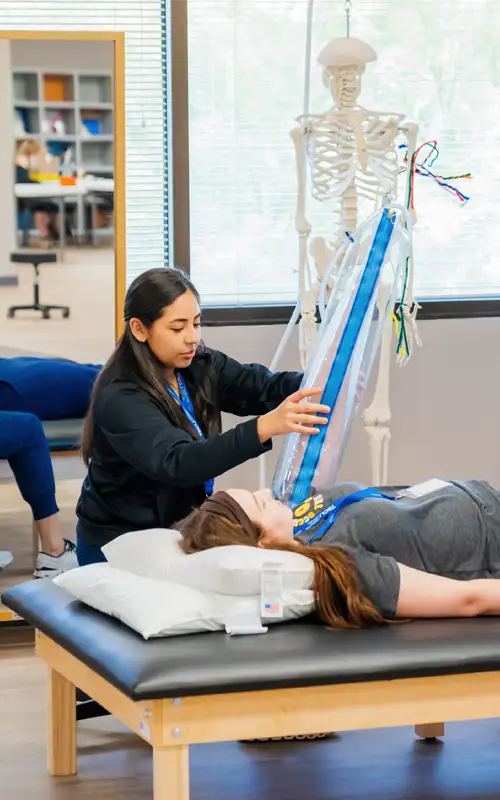
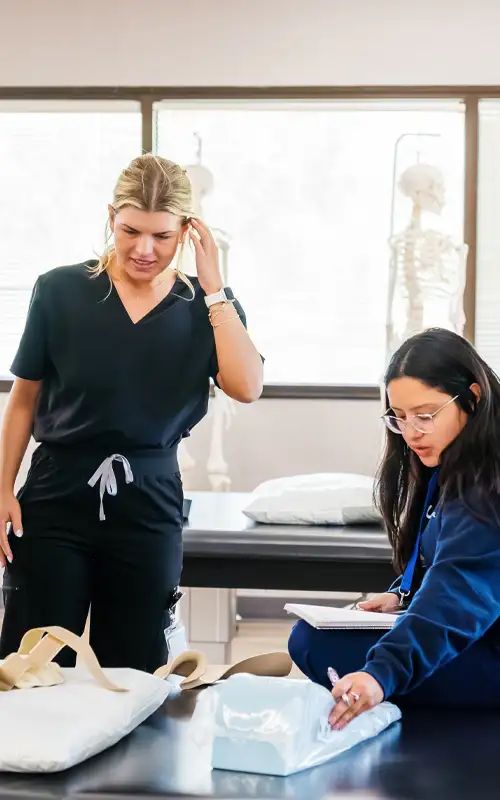
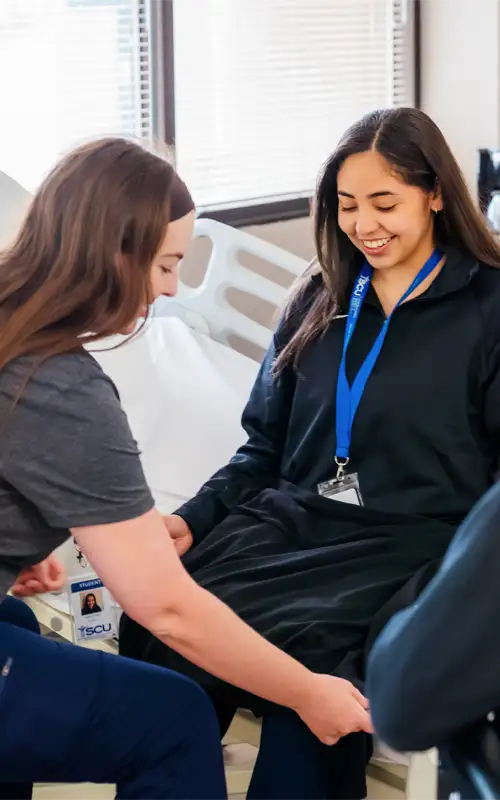
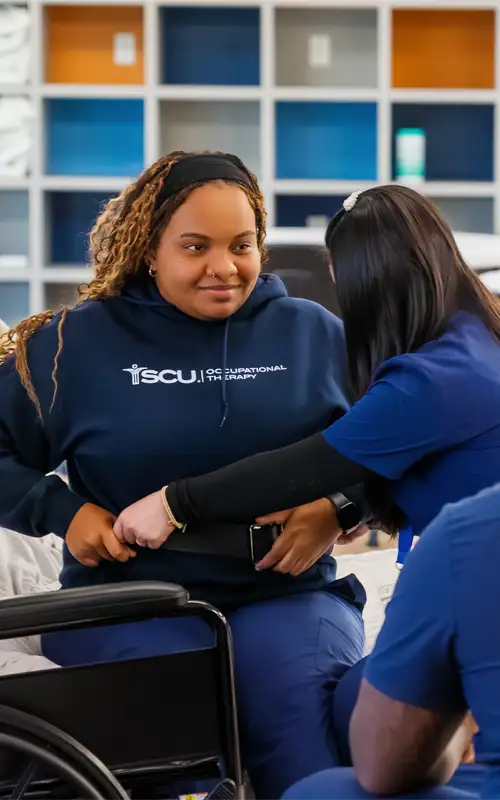
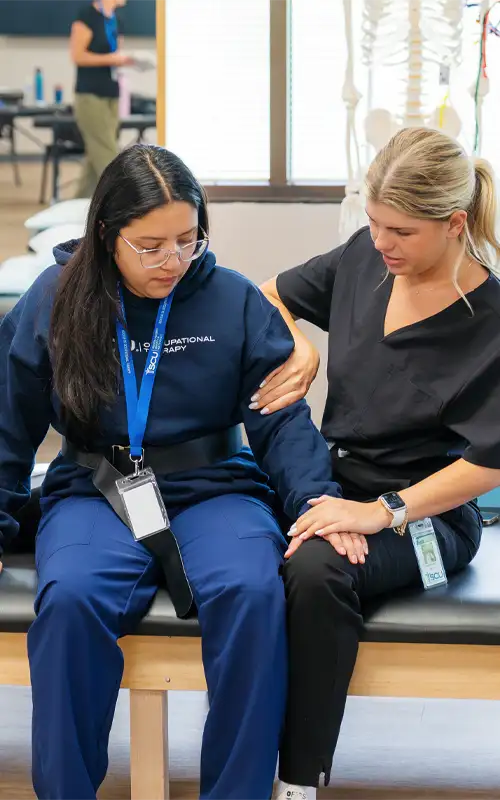
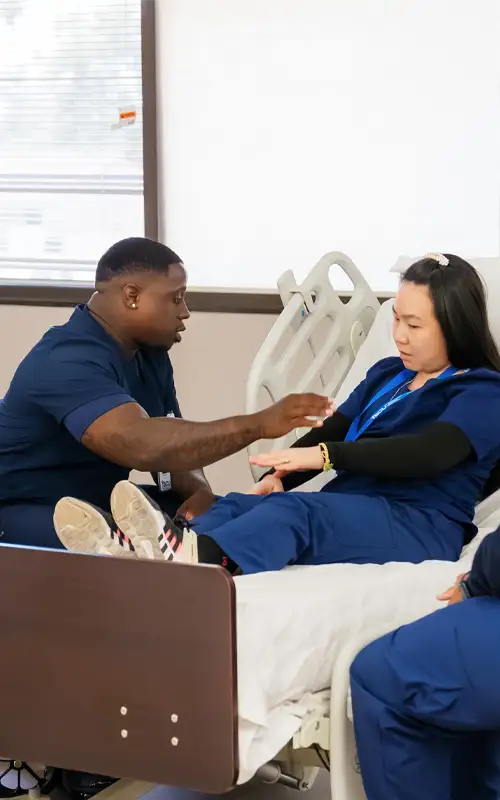
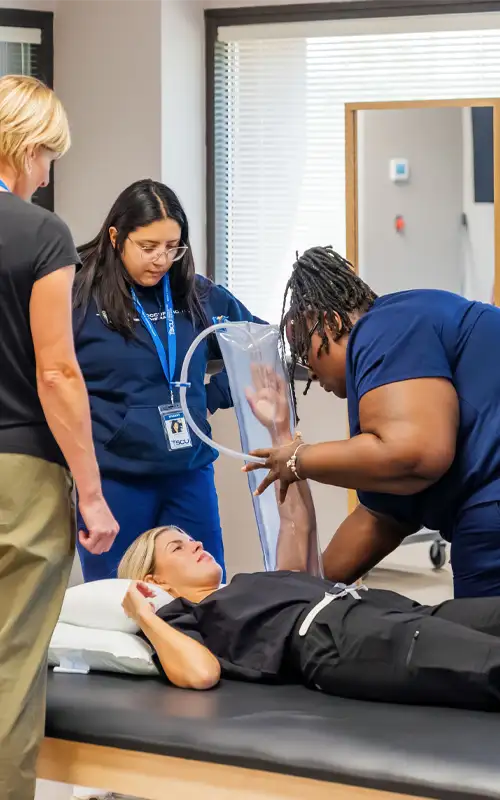

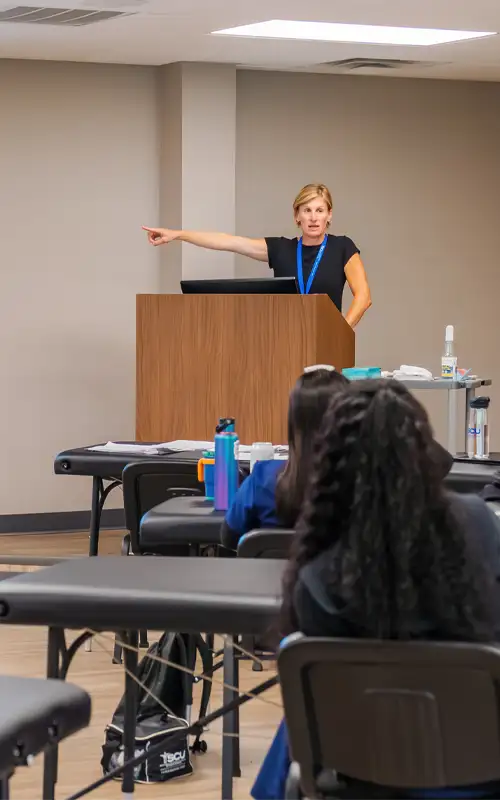
Click on the image above to see our Doctor of Occupational Therapy program in action.
What Sets Our Program Apart?
UNIQUE ACCELERATED, HYBRID FORMAT
Earn your OTD in just 2 years—faster than many traditional programs that can take 2.5 to 3 years to complete. Our accelerated, hybrid program is designed for maximum efficiency, combining the flexibility of online learning with immersive, hands-on clinical training—so you can advance your career sooner and without relocating. During Year 1, you’ll complete 70% of your requirements from home through self-paced and live online coursework, and come to Phoenix Metro (in Tempe, Arizona) just two times per term for hands-on clinical training. During Year 2, you’ll work on a Capstone Project of your choosing while completing on-site clinical rotations at one of our partner sites near your home (subject to availability) or in a new city within the U.S.
ACADEMIC & PROFESSIONAL MENTORSHIP
As an OTD student at Phoenix Metro, you will receive personalized support and advisement from a dedicated faculty advisor. You’ll meet with your advisor at least twice per term (or as often as you need), to help you navigate the program, problem-solve, and succeed both academically and professionally. In addition, you’ll receive support from our program’s Academic Fieldwork Coordinator for your Level I and Level II fieldwork experiences, as well as our Doctoral Capstone Coordinator, who is responsible for helping you develop your individualized capstone experience.
TECHNOLOGY-ENHANCED LEARNING
In addition to classroom learning and hands-on clinical experiences, you’ll strengthen your skills and build your confidence through engaging, interactive learning tools that help bring concepts to life and prepare you for real-world practice:
- International Clinical Educators (ICE) Learning Videos that help you observe and analyze real-world patient cases, strengthening your clinical reasoning and decision-making skills
- ClinEdWeb simulation activities that give you opportunities to apply your knowledge in interactive clinical scenarios and practice making treatment decisions in real time
- Virtual standardized patient encounters to help you build confidence in communication, interviewing, and evaluation skills
- Interactive digital anatomy and neuroscience tools that make complex concepts easier to understand and apply
- Integrated NBCOT exam preparation activities woven throughout your coursework to support your confidence and readiness for your board exam
STUDENT-LED CAPSTONE PROJECT
One of the most rewarding portions of your OTD program, your Doctoral Capstone project, will give you the opportunity to explore and demonstrate innovative thinking in an area of particular interest to you. Your project will include written, experiential, and oral components, and we’ll support you each step of the way through online capstone seminars and advisement from a faculty mentor who has expertise in your chosen topic. The Doctoral Capstone is an academic and professional milestone, often leading to publications, future research opportunities, and other career advancements.
UNIQUE INTERPROFESSIONAL EDUCATION
Most of today’s healthcare colleges offer an “interprofessional education” through which students learn with, from, and about other disciplines. But at SCU, we do it differently. Unlike other colleges, we teach you about both conventional and complementary disciplines—not just one or the other—because we believe in both and we teach both, all under one roof.
AN INTEGRATIVE, WHOLE HEALTH APPROACH
All too often, healthcare providers “stay in their lanes” rather than building comprehensive care plans that include other disciplines, professionals, and approaches. In addition, they look strictly at the physical body as opposed to all the factors that may be influencing a patient’s health and well-being—genetics, lifestyle, mental health, relationships, physical environments, community support, and beyond. But at SCU, no matter what program you are in, you’ll learn to blend the best of conventional and complementary approaches (integrative healthcare) and to treat the entire mind, body, and spirit (whole health)—for true lasting wellness.
SCU Video Series
Doctor of Occupational Therapy Program
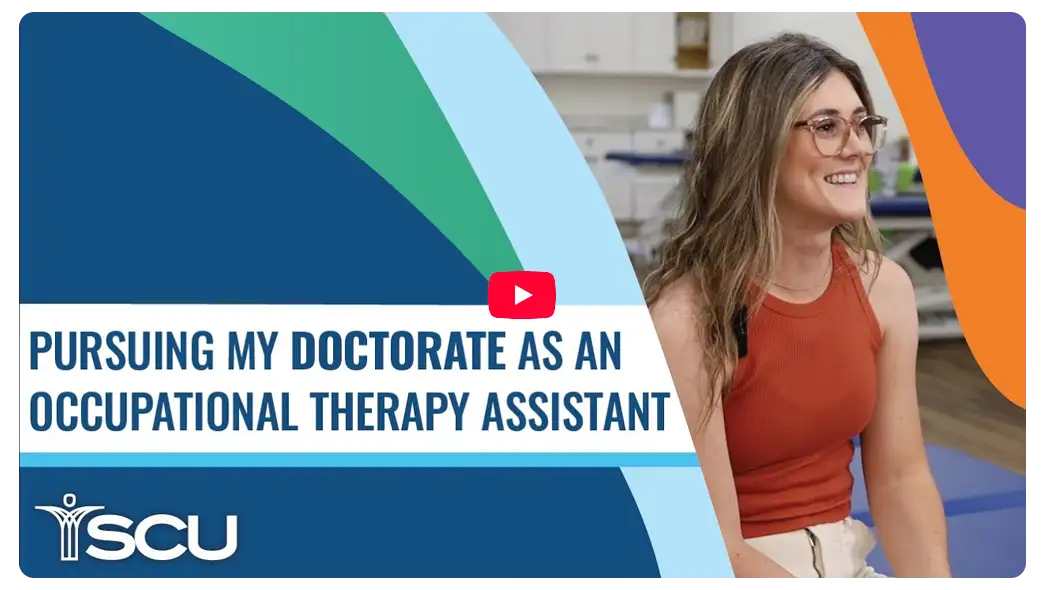
Student Spotlight:
Pursuing My Doctorate as an Occupational Therapy Assistant
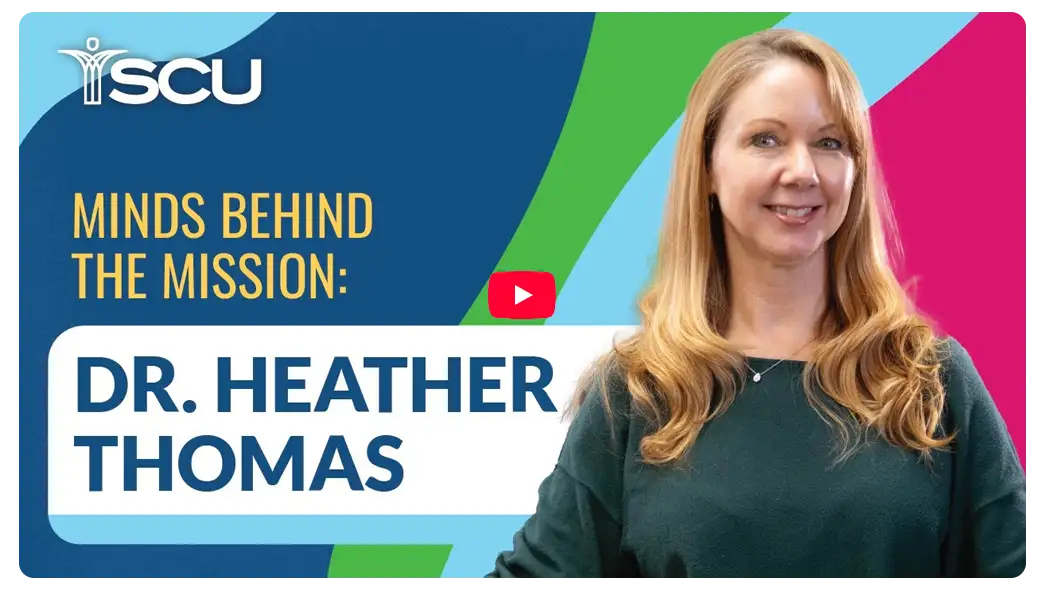
Faculty Spotlight:
Dr. Heather Thomas
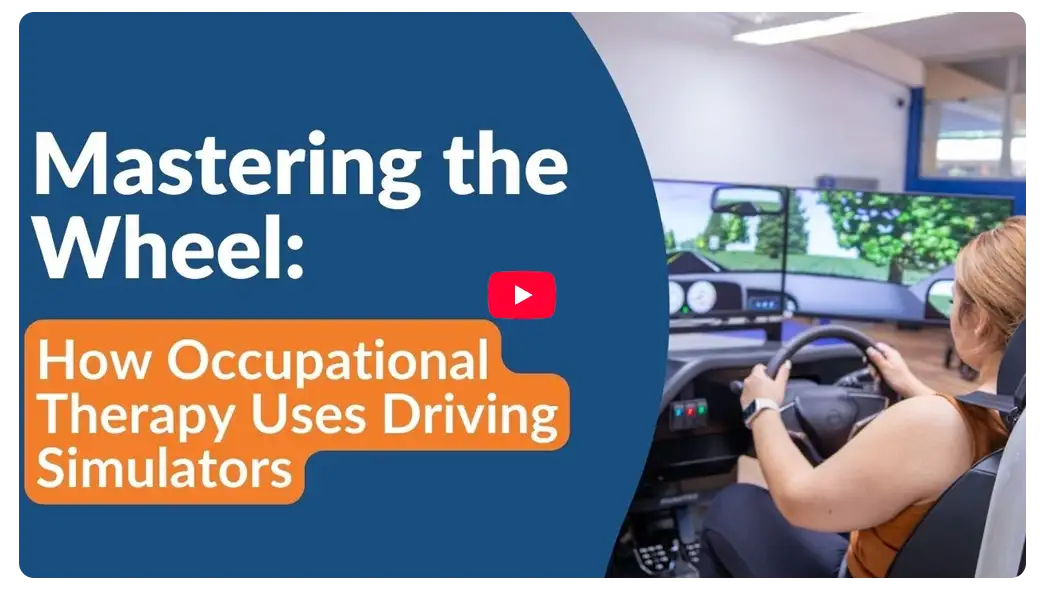
OTD Program in Action:
How Occupational Therapists Use Driving Simulators
Doctoral-Degree-Level Occupational Therapy Program
The entry-level occupational therapy doctoral degree program is accredited by the Accreditation Council for Occupational Therapy Education (ACOTE) of the American Occupational Therapy Association (AOTA), located at 7501 Wisconsin Avenue, Suite 510E, Bethesda, MD 20814. ACOTE’s telephone number c/o AOTA is (301) 652-AOTA and its web address is www.acoteonline.org. Graduates of the program will be eligible to sit for the national certification examination for the occupational therapist administered by the National Board for Certification in Occupational Therapy (NBCOT). After successful completion of this exam, the individual will be an Occupational Therapist, Registered (OTR). In addition, all states require licensure to practice; however, state licenses are usually based on the results of the NBCOT Certification Examination. A felony conviction may affect a graduate’s ability to sit for the NBCOT certification examination or attain state licensure.
Students must complete 24 weeks of Level II fieldwork and an individual 14-week capstone experience within 24 months following the completion of the didactic portion of the program. The doctoral capstone experience must be started after completion of all coursework and Level II fieldwork as defined in 2023 ACOTE OTD Standard D.1.3.
Student Achievement
The SCU Phoenix OTD program’s first cohort of students entered in the Spring Term of 2025 with a graduation year in 2026. The available program outcome data is limited at this time. Upon graduation of the first cohort, outcome data on NBCOT exam pass rate will be available on the National Board for Certification in Occupational Therapy (NBCOT®) program data results page.
| Graduation Year | Students Entering/Graduating | Graduation Rate |
| 2026 | 9/NA | NA |
| 2027 | 19/NA | NA |
| 2028 | NA | NA |
| Totals | 31/NA | NA |