What is a Chiropractor Doctor? Understanding the Role and Responsibilities

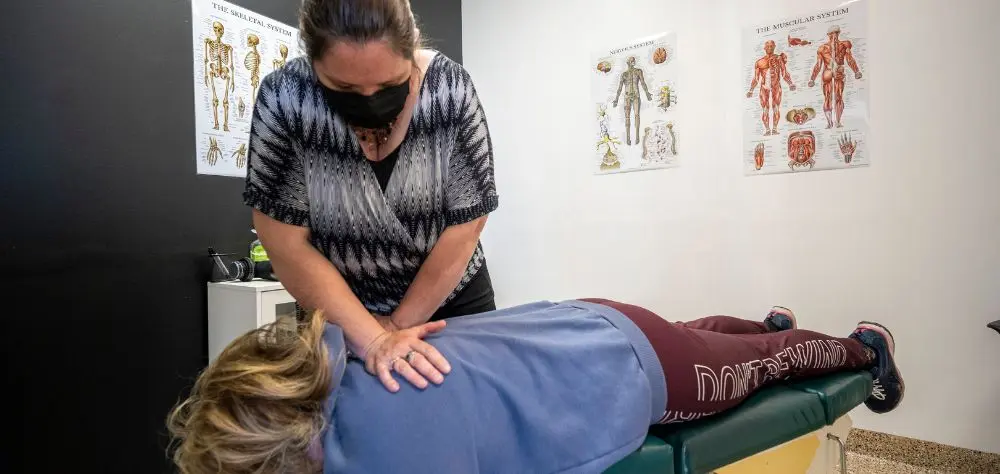
What is a doctor of chiropractic? Simply put, they are healthcare professionals specializing in diagnosing and treating neuromusculoskeletal issues, emphasizing the body’s ability to heal itself through non-invasive care. Chiropractic care has become a cornerstone of holistic healthcare, offering solutions that enhance wellness by addressing the root causes of pain and dysfunction rather than just the symptoms.
At SCU, we’re proud to offer a premier Doctor of Chiropractic program designed to prepare students for this dynamic, growing field. Our evidence-based, integrative approach blends the art and science of chiropractic medicine, equipping aspiring chiropractors with the tools to make a real difference in patients’ lives.
Considering Chiropractic? Here’s What Doctors of Chiropractic Actually Do
Chiropractic care is more than spinal adjustments; it’s a healthcare profession dedicated to diagnosing and treating musculoskeletal conditions. Let’s dive into the treatments chiropractors provide, how they enhance overall wellness, and why it’s a fantastic career choice.
What is a Doctor of Chiropractic?
Chiropractors are healthcare professionals focused on the diagnosis and treatment of musculoskeletal disorders, particularly those affecting the spine, muscles, and nervous system. They use non-invasive methods to restore function and promote the body’s natural healing capabilities. Their philosophy? A healthy spine supports a healthy life.
Common Chiropractic Treatments
Chiropractors offer a range of treatments tailored to individual needs:
- Spinal Adjustments
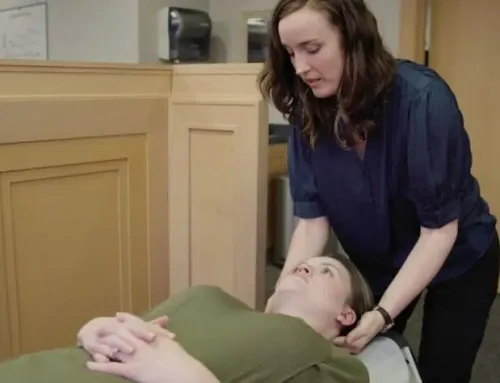
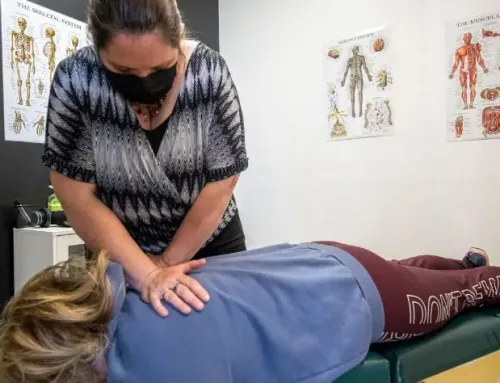
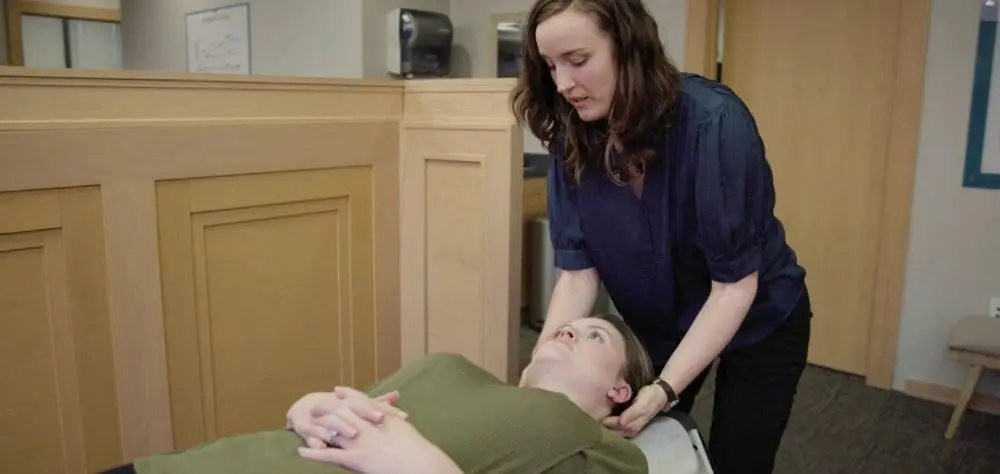
Precise, hands-on manipulations to realign the spine, improve range of motion, reduce pain, and improve overall function. - Manual Therapies
Soft tissue techniques like massage and stretching to relieve tension and support musculoskeletal health. - Lifestyle Counseling
Guidance on posture, ergonomics, exercise, and nutrition to empower long-term wellness.
Alleviating Pain and Enhancing Mobility
Chiropractors are specialists in relieving pain—whether it’s chronic back pain, neck stiffness, or sports injuries. But their role goes beyond pain management. Through tailored care plans, they:
- Enhance mobility and flexibility.
- Reduce inflammation and stress.
- Encourage overall health improvements and decreasing the need for surgery or pharmaceuticals.
Why Chiropractic Care is a Good Career Choice
Becoming a chiropractor isn’t just a job—it’s a calling to improve lives. Here’s why it’s a rewarding path:
- Growing Demand: With the rise of holistic healthcare, chiropractic care is gaining recognition worldwide.
- Impactful Work: Chiropractors directly help patients regain control of their health.
- Diverse Opportunities: From private practices to sports medicine, chiropractors have varied career paths.
- Lifelong Learning: This field blends science and patient care, keeping practitioners engaged and constantly evolving.
What It Takes to Become a Doctor of Chiropractic: Education and Beyond
Becoming a chiropractor requires a mix of academic rigor, hands-on clinical training, and a passion for holistic health. Let’s explore the steps, from undergraduate prerequisites to board certification, that prepare you to thrive in this rewarding field.
Undergraduate Prerequisites: Building a Foundation for Success
To succeed in chiropractic care, students must first establish a strong academic foundation, with essential courses such as biology, chemistry, and physics forming the cornerstone of their education.
Doctor of Chiropractic (DC) Degree Program: The Heart of It All
Here’s where science meets art and passion meets precision. A DC program is an intense, multi-year journey into the world of chiropractic medicine. It focuses on:
- Evidence-Based Learning: Training that blends cutting-edge research with proven techniques.
- Holistic Healing: It’s not just about treating the spine; it’s about treating the whole person.
- Practical Mastery: Students gain expertise in everything from diagnostic imaging to patient-centered care.
Clinical Rotations and Hands-On Learning: Where Theory Meets Practice
This is the turning point. Clinical training takes you from textbook knowledge to real-world expertise. During this phase, students:
- Work with real patients under expert supervision.
- Master spinal adjustments and therapeutic techniques.
- Learn to build trust and manage care with compassion and precision.
At SCU, our clinical rotations are immersive, offering unparalleled opportunities to work in diverse healthcare settings.
Board Certification and Licensure: The Final Steps
The journey doesn’t end with a degree—it culminates in passing rigorous national board exams and obtaining state licensure. This process ensures every chiropractor is equipped to provide safe, effective, and ethical care.
Skills and Attributes of an Effective Chiropractor
An effective chiropractor is much more than a master of adjustments—they’re a blend of technical expert and compassionate caregiver. It’s the ability to connect deeply with patients, paired with precision and skill, that transforms good chiropractors into trusted healers and wellness champions.
Here’s essential traits that turn good chiropractors into great ones:
1. Strong Communication and Interpersonal Skills
Clear communication is the foundation of trust. Effective chiropractors can simplify complex health concepts, listen attentively to patients, and create a professional yet comforting environment that promotes confidence.
2. Analytical and Problem-Solving Skills
Every patient’s situation is unique, requiring chiropractors to diagnose with precision, develop customized treatment plans, and adapt their strategies to meet evolving needs effectively.
3. Physical Dexterity
Chiropractors rely on physical skill and control to perform precise adjustments and therapies, maintaining strength, stamina, and proper mechanics to deliver safe, effective care.
4. Empathy and Patience
Compassionate chiropractors provide understanding support through every step of the healing process, fostering trust and encouraging patients even through setbacks or lengthy recoveries.
5. Commitment to Lifelong Learning
Chiropractic care evolves with new research and techniques, requiring practitioners to stay curious, embrace innovation, and continually refine their skills for the best patient outcomes.
Why Chiropractic is a Smart Career Move
Considering a career that blends patient care with professional growth? Chiropractic offers a dynamic path with increasing demand, diverse specializations, and promising financial stability.
Growing Demand for Holistic Healthcare Professionals
As the healthcare landscape shifts towards holistic and non-invasive treatments, chiropractic care is experiencing significant growth. The U.S. Bureau of Labor Statistics projects an 8.8% employment growth for chiropractors between 2022 and 2032, anticipating thousands of new job openings in that period.
Opportunities for Specialization
Chiropractic medicine isn’t one-size-fits-all. Practitioners can specialize in areas such as:
- Sports Medicine: Enhancing athletic performance and recovery.
- Pediatrics: Focusing on the unique needs of children.
- Rehabilitation: Assisting patients in regaining function post-injury.
- Chiropractic Neurology: Focuses on natural treatments for complex neurological conditions.
- Clinical Nutrition: Providing dietary and nutritional guidance to support overall health.
This diversity allows chiropractors to tailor their careers to their passions and the needs of their communities.
Potential Earnings and Job Stability
A chiropractic career offers not only personal fulfillment but also financial rewards. Chiropractors in the Los Angeles area earn a median annual wage of $179,327, well above the national median of $76,530 in 2023.
Embarking on a chiropractic career means joining a profession dedicated to improving patient well-being while offering diverse opportunities and financial stability.
Shaping Leaders in Chiropractic: SCU’s Roadmap to Excellence
At SCU, we believe success in chiropractic begins with a blend of innovation, hands-on training, and holistic care. Discover how our Doctor of Chiropractic program equips students to thrive in this rewarding profession.
Evidence-Based, Integrative Curriculum
Our Doctor of Chiropractic program emphasizes whole-person healthcare, blending evidence-based practices with a focus on collaboration across healthcare disciplines. This approach ensures graduates are prepared for diverse, integrative care settings.
Early Clinical Exposure
Our students gain early and immersive clinical experience in diverse settings, including private practice rotations at over 500 locations. These rotations prepare you to confidently step into private practice right after graduation.
Advanced Learning Technologies
SCU integrates cutting-edge technology into learning, such as:
- Anatomage Tables: 3D anatomy visualization for deep understanding.
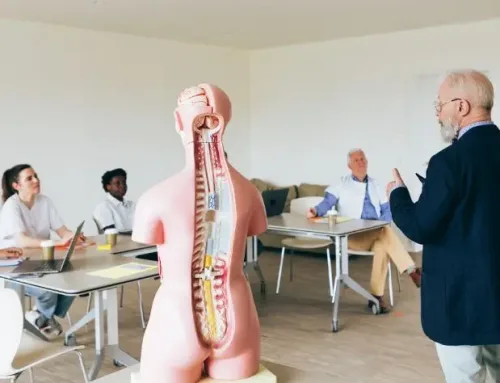
- SynDavers: Life-like synthetic cadavers for hands-on practice.
- Diagnostic Imaging Tools: Training in interpreting imaging for accurate diagnoses.
Sports Medicine Emphasis Certificate
This specialized certificate offers students advanced knowledge in sports-related injuries and performance optimization, preparing them to work with athletes at every level.
Comprehensive Board Preparation and Practitioner-Led Instruction
With practitioner-led courses and focused board exam preparation, SCU ensures graduates are ready to excel in their licensing exams and beyond.
Student Support Resources
From scholarships to our fixed-rate tuition guarantee, we are committed to supporting our students financially and academically. Learn about our resources here.
At SCU, we don’t just train chiropractors—we prepare compassionate, skilled leaders ready to make a difference. Join us and redefine healthcare!
Your Path to Chiropractic Success Starts Here
Becoming a chiropractor is a journey that demands dedication, skill, and the right guidance. What is a chiropractor doctor without a strong educational foundation? At SCU, we prepare you to excel through evidence-based training, early clinical exposure, and cutting-edge technology, all tailored to shape future leaders in chiropractic care.
If you’re ready to turn your passion for health into a lifelong purpose, SCU is here to guide you every step of the way. Explore our admissions process and take the first step toward your future today. Apply now!
FAQs
What is a Chiropractic Doctor, and what do they do?
A chiropractor doctor specializes in diagnosing and treating musculoskeletal issues, focusing on spinal health. They use non-invasive techniques like adjustments, therapies, and lifestyle advice to alleviate pain, improve mobility, and enhance overall wellness.
What are the educational requirements to become a chiropractor?
To become a chiropractor, you must first earn a Doctor of Chiropractic (DC) degree. This typically requires completing a bachelor’s degree with a focus on biology, chemistry, or related sciences as part of the pre-chiropractic education.
Can chiropractors specialize in areas like sports medicine or pediatrics?
Absolutely. Chiropractors can focus on specialties like sports medicine, pediatrics, geriatrics, or functional medicine. Specializations allow professionals to cater to specific patient needs and build expertise in a niche area.
Are chiropractors in demand globally?
The demand for chiropractors is growing worldwide, driven by interest in holistic healthcare and alternative treatments. Patients are increasingly seeking non-surgical, drug-free options for pain and wellness management.
How long does it take to complete chiropractic education and training?
Becoming a chiropractor typically requires 78 years: around 34 years of undergraduate studies and 4 years in a DC program, including clinical training and board certification.
Related Posts