Acupuncture Career Guide: Job Outlook, Salaries, and Professional Growth

You’ve spent time learning about Chinese medicine, you’re drawn to patient-centered care, and you want a career that means something. The question most prospective students face isn’t whether to pursue acupuncture, it’s how to build a practice that lasts.
Doing that well requires deliberate preparation: the right graduate training, strong clinical hours, and a clear picture of where the profession is headed. SCU’s Master of Acupuncture and Chinese Herbal Medicine and Doctor of Acupuncture and Chinese Herbal Medicine programs are built around exactly that combination, offering rigorous training in traditional diagnostics, evidence-informed clinical practice, and whole-person care that reflects how healthcare is changing.
If you’re evaluating the path ahead, this guide covers what the job market looks like, what practitioners typically earn, and what separates a sustainable practice from a short-lived one.
Some students also find it useful to shore up foundational sciences before entering graduate-level health education. SCU’s Accelerated Health Sciences program offers a practical route for doing just that.
More Than Needles: Understanding What an Acupuncture Career Really Looks Like
The Day-to-Day Reality of Clinical Practice
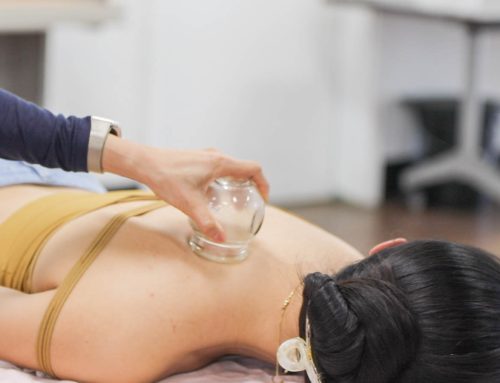
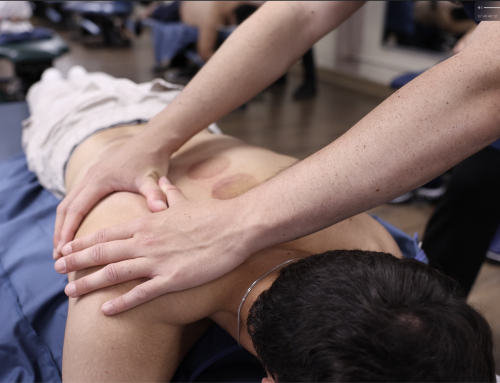
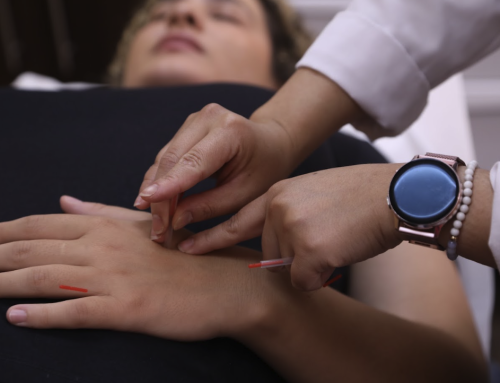
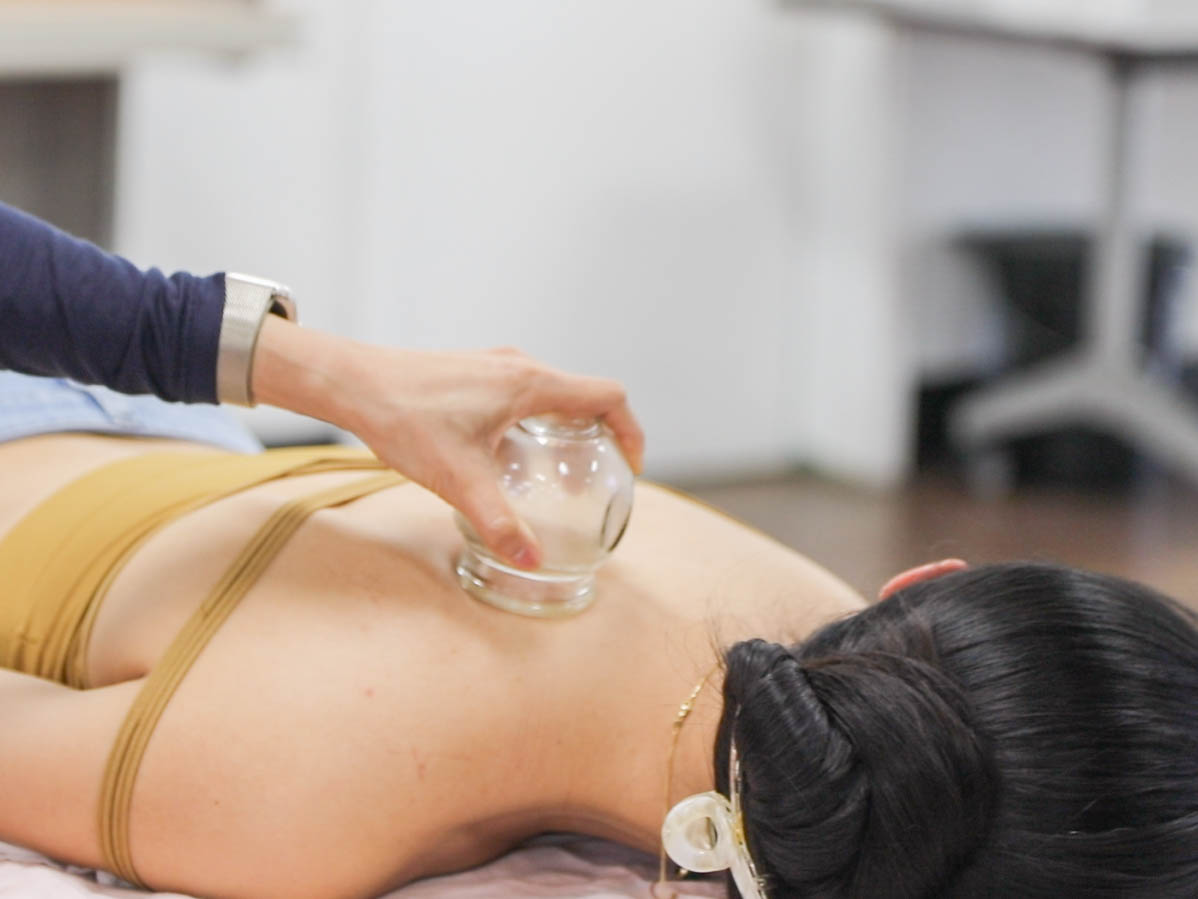
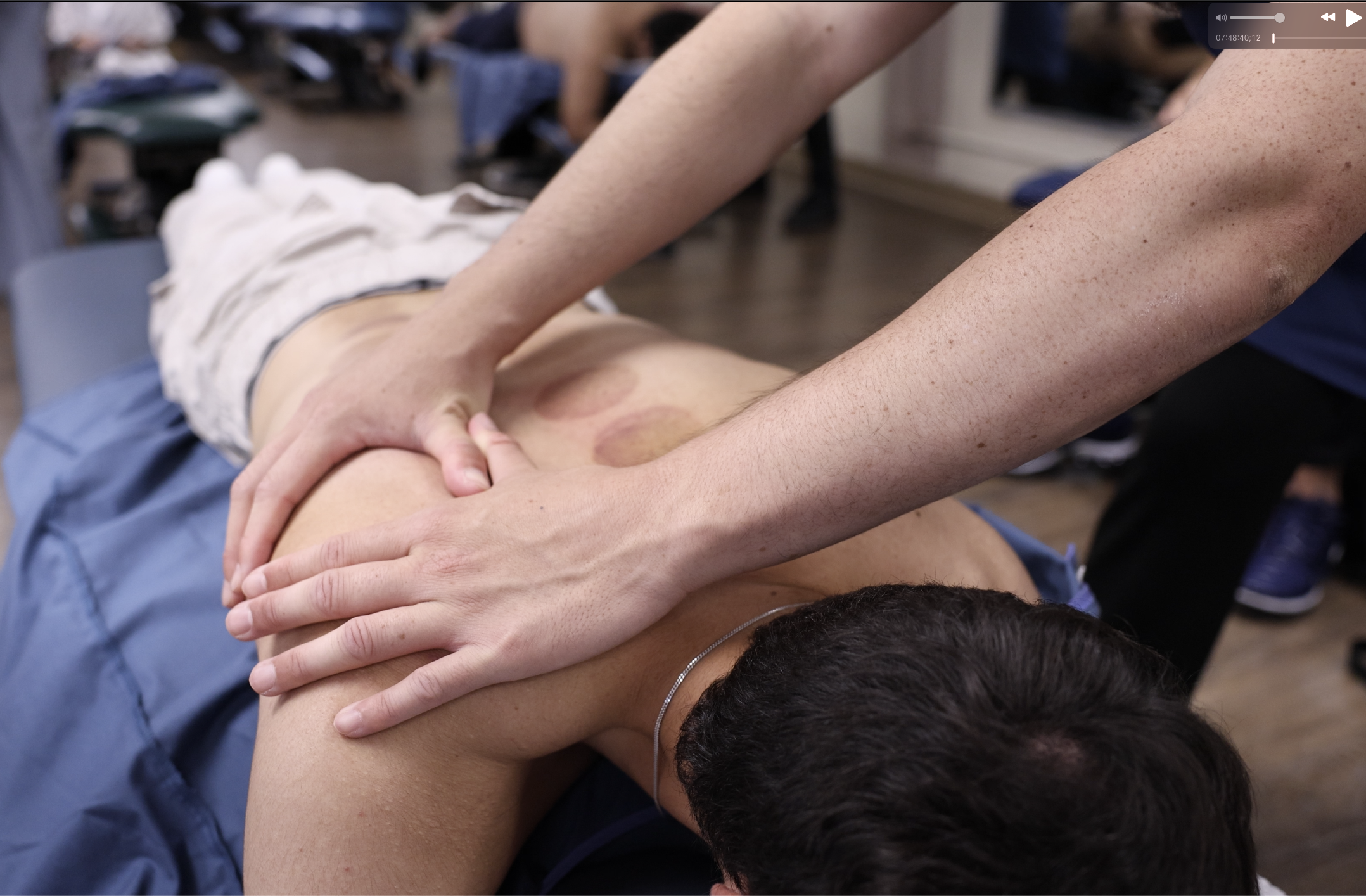
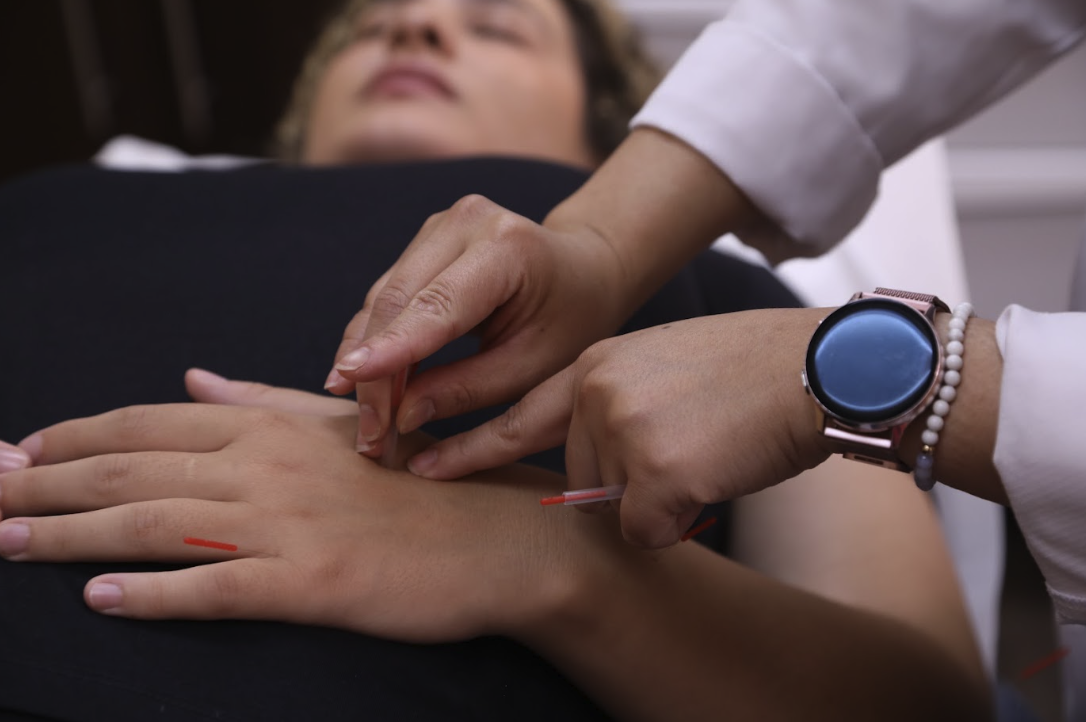
An acupuncture career centers on diagnosing and treating patients using the principles of Traditional Chinese Medicine (TCM), which include acupuncture needling, herbal medicine, cupping, moxibustion, and lifestyle counseling. Practitioners assess patients through intake interviews, pulse diagnosis, and tongue observation. These are methods codified over centuries and actively studied in clinical research contexts.
What distinguishes this field from many other healthcare careers is the emphasis on treating root causes rather than isolated symptoms. Every patient interaction involves understanding how physical, emotional, and environmental factors interact, a framework that maps closely to the whole-person health approach SCU has built into its curriculum.
Exploring SCU’s Acupuncture and Chinese Herbal Medicine program gives you a clear picture of how these clinical competencies are taught and applied throughout graduate training.
Why the Acupuncture Job Market Is Paying Attention Right Now
Acupuncture is one of the fastest-growing fields within integrative healthcare, and that growth isn’t incidental. The NCCIH reports ongoing federally funded research into acupuncture’s effectiveness for pain management, anxiety, and other common conditions, meaning the profession is gaining institutional credibility, not just cultural traction.
The CDC’s 2022 Clinical Practice Guideline for Prescribing Opioids explicitly names acupuncture as an appropriate nonpharmacologic intervention for chronic pain. This formal endorsement has accelerated referral relationships between conventional providers and licensed acupuncturists. You can read the NCCIH’s breakdown of that guideline’s implications here.
For practitioners, that recognition means more clinical settings, more referral pathways, and a stronger case for insurance reimbursement.
What Graduate Training Has to Teach You
Reading the Patient, Not Just the Chart: Diagnostic Training
Strong outcomes in this field begin with mastery of diagnostic frameworks. TCM diagnosis draws on pattern differentiation, which involves identifying imbalances in qi, blood, yin, yang, and the organ systems to develop individualized treatment plans.
This isn’t a soft science; it requires systematic clinical reasoning applied consistently across hundreds of patient encounters.
At SCU, this training runs through the graduate curriculum from foundational theory into advanced clinical coursework. Students move from classroom diagnostics into the university’s teaching clinic, where they apply TCM methods under faculty supervision.
That bridge between theory and practice is where competency forms, and it’s what licensing boards are testing when candidates sit for the California Acupuncture Licensing Examination (CALE) or the national board examinations administered through the National Certification Board for Acupuncture and Herbal Medicine (NCBAHM).
Beyond the Needle: Why Herbal Medicine Makes Practitioners More Effective
Acupuncturists in most states are also licensed to practice Chinese herbal medicine, which substantially expands the scope of what you can offer patients. Herbal training involves learning hundreds of individual medicinal substances and how to combine them into formulas tailored to a patient’s specific pattern diagnosis.
This is a significant clinical skill, and programs that treat it as supplementary rather than core do their graduates a disservice. A 2025 peer-reviewed study in the journal Acupuncture found that ACAHM-accredited programs in the U.S. typically exceed 2,500 hours of combined classroom and clinical training across three to four years. That benchmark reflects just how rigorous comprehensive preparation needs to be.
SCU integrates herbal medicine throughout the MAcCHM and DAcCHM curricula, preparing students to apply it as a primary clinical tool rather than an afterthought.
The Career Landscape Looks Different Than Most Students Expect
Acupuncture Is Not Just a Wellness Industry Job
One persistent misconception is that acupuncture practice is limited to wellness spas and boutique clinics. The actual clinical footprint of licensed acupuncturists is considerably broader and measurably growing within institutional healthcare.
The NCBAHM’s 2023-2024 Job Analysis survey found that practitioners working in multi-discipline clinics and healthcare centers increased by 10%, and those in hospital-based settings increased by 7% compared to the 2017 analysis.
The VA’s Health Services Research and Development program published an updated evidence map in 2022 covering systematic reviews from 2013-2021. That review identified positive evidence for acupuncture across chronic pain, headaches, depression, anxiety, PTSD, and insomnia, broadening the clinical profile well beyond musculoskeletal conditions and strengthening the case for acupuncturists in behavioral health and hospital settings alike.
How to Tell Whether a Program Will Prepare You
The quality of your graduate program determines more than your board pass rate. It shapes your clinical confidence, professional network, and long-term career trajectory.
When evaluating programs, consider accreditation status, supervised clinical hours, herbal medicine integration, and how the program addresses evidence-informed practice. As noted earlier, ACAHM-accredited programs in the U.S. typically exceed 2,500 combined training hours, so use that as a baseline when comparing options.
SCU’s MAcCHM and DAcCHM programs hold ACAHM accreditation and positions students to practice within both traditional frameworks and modern clinical environments.
For students who need additional preparation in anatomy, physiology, or chemistry before entering graduate coursework, SCU’s Accelerated Health Sciences courses offer a direct pathway to meet those prerequisites.
The Fine Print Every Aspiring Acupuncturist Should Read First
Licensure Is Not One-Size-Fits-All
Pursuing an acupuncture career means navigating a licensing landscape that varies significantly by state. Most states require passage of NCBAHM board exams, a minimum number of supervised clinical hours, and continuing education for license renewal. California operates its own licensing board and requires the CALE in addition to specific academic prerequisites.
Understanding your target state’s scope of practice is important before selecting a program. Some states permit licensed acupuncturists to order diagnostic imaging or certain laboratory tests; others do not.
California’s scope is relatively broad, which is one reason SCU’s Whittier-based program is well-positioned to train practitioners intending to stay in the region. Reviewing your state’s acupuncture board requirements before deciding will help you choose a program calibrated to where you intend to practice.
What You Can Realistically Expect to Earn and What Shapes That Number
Compensation varies considerably by practice setting, geography, and whether you work in an employed position or run your own practice.
BLS 2024 wage data shows salaries range from roughly $46,000 at the 10th percentile to $123,000 at the 90th percentile. That spread reflects practice model decisions far more than experience alone.
Practitioners who build referral networks and diversify through herbal consultations, group programs, and integrative clinic partnerships tend to achieve the strongest long-term income stability.
Insurance coverage is also a meaningful income variable. As of 2022, Aetna added acupuncture as standard coverage for chronic headaches, low back pain, neck pain, nausea, and osteoarthritis. Blue Cross Blue Shield members now receive 12 covered sessions annually. Oregon mandated 12 covered sessions per year in 2022, and Colorado added six sessions per year starting in 2023.
One nuance worth knowing: while Medicare began covering acupuncture for chronic low back pain in 2020, licensed acupuncturists as of 2024 still cannot bill Medicare directly and must work under a Medicare-enrolled physician. The proposed Acupuncture for Our Seniors Act of 2023 would change this, but has not yet passed.
For students still building their academic foundation, reach out to SCU’s admissions team to discuss how your background maps to the MAcCHM program requirements.
SCU in Action: Where Whole-Person Training Meets Real Clinical Results
Accredited, Supervised, and Built for Practice-Ready Graduates
SCU’s Acupuncture and Chinese Herbal Medicine program holds accreditation from ACAHM, the primary accrediting body for acupuncture and herbal medicine programs in the United States.
This signals that the program meets established standards for curriculum, clinical hours, faculty qualifications, and institutional resources, all of which affect your eligibility for licensure and your readiness for clinical practice.
Students train in SCU’s on-campus teaching clinic, gaining direct patient contact hours under licensed, experienced faculty supervisors.
A Philosophy That Changes How You Treat Patients
SCU’s 2024 publication “What Is Whole Health?” articulates the university’s foundational approach to healthcare education: treatment that addresses the physical, mental, spiritual, socioeconomic, and relational dimensions of a person’s health, not just their presenting symptoms.
This framework is embedded in how MAcCHM and DAcCHM students are trained to assess patients and develop treatment plans. As SCU states directly in that publication, whole health “starts with learning what’s most important to an individual and what they want their health for.” That principle shapes how graduates approach every patient encounter.
Take the Next Step Toward a Career in Acupuncture and Chinese Medicine
Building a sustainable acupuncture career starts with choosing a program that prepares you for the full scope of professional practice, not just the exam. That means rigorous diagnostic training, meaningful clinical hours, herbal medicine competency, and a framework for patient care that holds up across diverse settings.
SCU’s Acupuncture and Chinese Herbal Medicine program grounds graduates in TCM principles while preparing them to work in the modern healthcare environments where the profession is growing.
Explore SCU’s Acupuncture and Chinese Herbal Medicine program and take the next step toward a career in integrative healthcare.
Frequently Asked Questions
Do I need a doctoral degree to practice acupuncture, or is a master’s degree sufficient?
In most U.S. states, a master’s degree from an accredited program is the minimum requirement for licensure and independent practice.
The Doctor of Acupuncture and Chinese Herbal Medicine (DAcCHM) is an emerging credential that some practitioners pursue for career advancement, academic roles, or professional parity with other doctoral-level healthcare providers, but it is not currently required to treat patients in most jurisdictions.
As the field continues to push toward doctoral-level entry standards (a trend already well established in physical therapy, audiology, and pharmacy), holding a DAcCHM now may carry meaningful advantages in hospital credentialing and academic hiring within the next decade.
Can acupuncturists specialize within the field, and how does that affect earning potential?
Yes. Licensed acupuncturists frequently develop clinical focuses in areas such as fertility and reproductive health, oncology support, sports medicine, pain management, mental health, or pediatrics.
Specialization typically comes through postgraduate training, clinical fellowships, or certificate programs offered through organizations like the NCBAHM, which offers separate certifications in Acupuncture, Oriental Medicine, and Chinese Herbology.
Some specializations carry notably higher earning potential, particularly in fertility medicine and integrative oncology, where acupuncture is increasingly incorporated into formal care protocols. Practitioners in these settings often work within established clinic structures rather than building a patient base from scratch, which meaningfully changes the financial trajectory of early-career practice.
What continuing education requirements do licensed acupuncturists typically face?
Requirements vary by state, but California’s are among the most clearly defined. The California Acupuncture Board requires 50 hours of Board-approved continuing education every two years as a condition of license renewal, including a mandatory 4 hours in laws and ethics each renewal period.
Up to 25 of those hours, exactly 50%, may be completed through independent or home study, giving practitioners flexibility in how they fulfill the requirement.
Beyond meeting minimums, many practitioners use CE strategically, pursuing advanced training in areas like orthopedic acupuncture, facial rejuvenation, or integrative oncology to expand their clinical scope and differentiate their practice in competitive markets.
What is the difference between NCBAHM certification and state licensure?
NCBAHM certification is a national credential earned by passing the board examinations administered by the National Certification Board for Acupuncture and Herbal Medicine. According to NCBAHM’s own fact sheet, its certification or examinations are required for an acupuncturist license in 46 states plus the District of Columbia.
State licensure is issued by each state’s acupuncture board and is what legally authorizes you to practice. California is one of the only states that administers its own licensure examination (the CALE), meaning NCBAHM-certified practitioners do not automatically qualify for California licensure and must sit for an additional exam.
Always verify the requirements for your target state before selecting a program, as choosing one calibrated to the wrong state’s requirements can create significant delays on your path to licensure.
How does running a private practice differ financially from working in an employed setting?
Private practice offers higher earning ceilings but requires meaningful startup capital. Financial projections for solo acupuncture practices typically estimate $14,000 to $62,000 in initial startup costs for a one-to-two room practice, covering lease deposits, treatment tables, software, and several months of working capital.
Employed positions in hospitals, VA facilities, or integrative clinics offer more predictable income and benefits, but generally cap earning potential.
Many practitioners start in employed roles to build clinical confidence and financial stability, then transition to private practice once they have a clearer picture of their target patient population and local market dynamics.
What should prospective students know about applying to an acupuncture graduate program?
Most accredited graduate programs require a minimum of 90 semester credits from an accredited institution and a cumulative GPA of at least 2.5 on a 4.0 scale, along with prerequisite coursework in sciences such as biology and chemistry.
SCU’s program follows these standards, and applicants whose GPA falls below the minimum or whose science coursework is dated may complete prerequisite courses through SCU’s Accelerated Health Sciences program before applying.
Beyond transcripts, many programs also request letters of recommendation, a personal statement, and documented exposure to acupuncture or Chinese medicine, such as receiving treatments or observing a licensed practitioner. This helps admissions committees evaluate whether applicants have a grounded understanding of the field they’re entering.
Related Posts