Massage Therapy vs. Acupuncture: Career Paths & Approaches

Choosing between massage therapy and acupuncture for a career path is one of the more substantive decisions you can make in integrative healthcare, and the two fields are closer in philosophy than they are in practice.
Both center on the body’s capacity for healing, both emphasize patient-centered care, and both sit at the intersection of ancient tradition and modern evidence. But the training, scope of practice, licensing requirements, and long-term career trajectories differ considerably.
If you’re drawn to whole-person health and want to understand which path fits your goals, this breakdown covers what you need to know.
Southern California University of Health Sciences (SCU) offers a rigorous Acupuncture and Chinese Herbal Medicine program designed to prepare graduates for clinical practice grounded in both classical theory and contemporary care standards.
Two Paths, One Philosophy: Understanding the Difference
Needles, Hands, and How Each Field Works
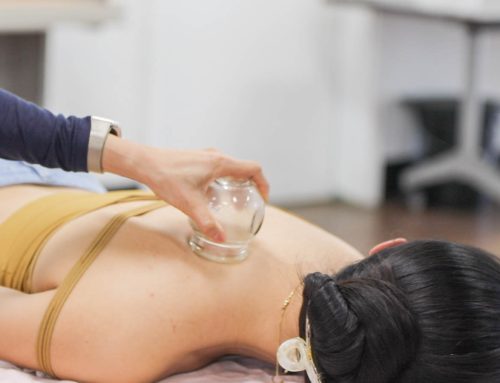
Massage therapy and acupuncture both address the body’s musculoskeletal and nervous systems, but through entirely different mechanisms.
Massage therapy applies manual pressure, movement, and manipulation of soft tissue (muscles, connective tissue, tendons, and ligaments) to reduce tension, improve circulation, and support recovery.
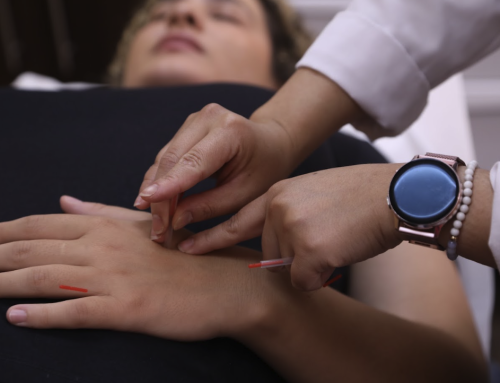
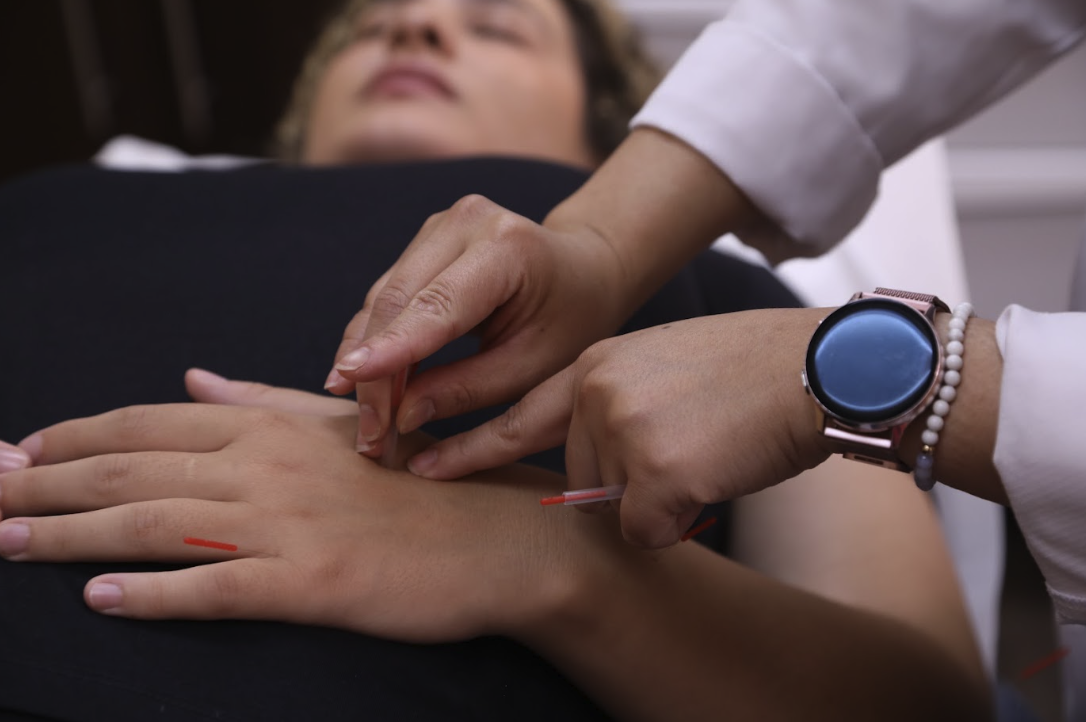
Acupuncture, rooted in Chinese medicine, uses fine needles inserted at specific anatomical points to influence the flow of qi (vital energy) through meridian pathways and, from a biomedical perspective, to stimulate neurological, vascular, and endocrine responses.
The National Center for Complementary and Integrative Health reports moderate-to-strong evidence supporting acupuncture for chronic low back pain, neck pain, osteoarthritis, and headache prevention. These conditions represent a substantial share of primary care visits, which makes understanding this distinction the starting point for evaluating which career suits you.
The Scope Gap That Shapes Everything
The scope of practice is where the two paths diverge most clearly.
Licensed massage therapists (LMTs) typically complete 500 to 1,000 hours of training through a certificate or diploma program. The AMTA notes that state requirements vary significantly, with some states requiring as few as 330 hours and others closer to 1,000.
Licensed acupuncturists complete graduate-level master’s or doctoral programs, typically spanning three to four years, covering Chinese medical theory, herbal medicine, diagnostic methods, and extensive supervised hours. That depth of training translates into a broader professional scope.
Acupuncturists in most states can treat a wide range of conditions independently, from chronic pain and anxiety to digestive issues and fertility support. For students interested in building a long-term, diagnostically complex career, an Acupuncture and Chinese Herbal Medicine program offers a more expansive foundation than massage therapy training alone.
Three Years of Training That Conventional Medicine Doesn’t Teach
Reading the Patient Before You Touch Them
One of the hallmarks of Chinese medicine education, and what distinguishes it from shorter programs in the integrative health space, is the depth of diagnostic training.
Students learn to assess patients through the Four Examinations: looking, listening and smelling, asking, and palpating. They also study the Eight Principles framework, which categorizes conditions by qualities such as yin/yang, interior/exterior, hot/cold, and excess/deficiency.
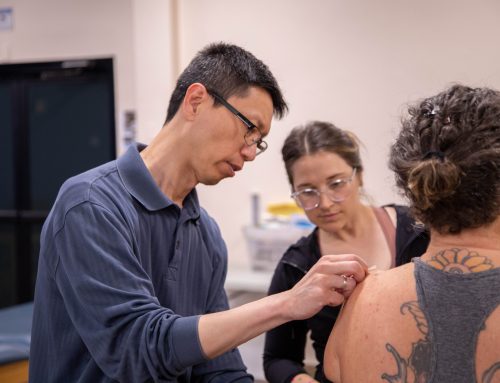
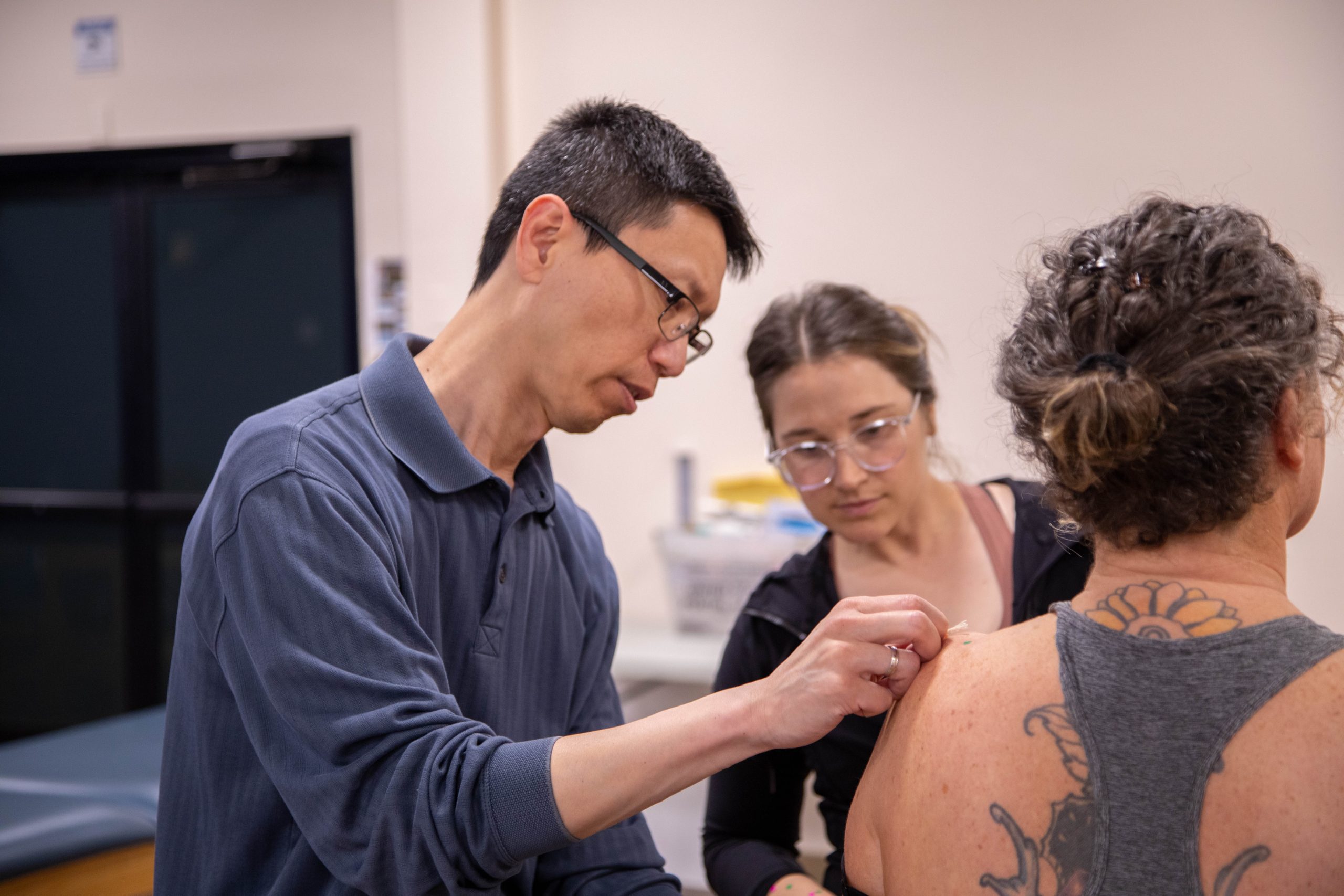
This level of nuance requires sustained study, not a weekend workshop. At SCU, coursework in acupuncture point location and needling technique builds precision from the ground up, connecting classical point theory to practical patient assessment.
Students develop the ability to read a patient’s full presentation and construct a treatment strategy, skills that take years to build and constitute the core of competent practice.
Herbs, Formulas, and the Clinical System Most People Don’t Know Exists
Chinese herbal medicine is often the element that surprises students new to the field. It is a parallel system with its own pharmacopoeia, formula structures, and diagnostic logic. In many settings, it is used alongside needling or as a standalone intervention.
At SCU, students study formulas grounded in classical texts alongside contemporary research on herb-drug interactions and safety. This reflects the program’s commitment to care that is both classically anchored and scientifically accountable.
Students also develop treatment planning skills that account for patient history, lifestyle factors, and personal health goals, an approach aligned with the whole health model that shapes SCU’s academic mission.
That model, as SCU defines it, centers on the person rather than the disease, and on purpose-driven care rather than symptom management alone.
Where Acupuncturists Work (It’s Not Just Private Practice)
The Data Behind a Growing Field
The career landscape for licensed acupuncturists has expanded considerably. The Bureau of Labor Statistics tracks acupuncturists as a distinct occupational category, reflecting the field’s growing professional recognition and providing median wage and employment growth data that prospective students should review directly.
Graduates work across a range of settings: private health clinics, pain management centers, oncology support programs, fertility clinics, and hospital systems pursuing broader care models.
One of the more significant institutional shifts has been the Department of Veterans Affairs formally incorporating acupuncture into its Whole Health model, a program now active across VA facilities nationwide, making federal healthcare one of the more substantial employers of acupuncture services in the country.
Massage therapy remains viable and in demand, but its practice settings tend to be narrower: spas, chiropractic offices, physical therapy clinics, and solo practice.
Are You Ready? How to Evaluate Your Starting Point
If you’re leaning toward acupuncture, a practical next step is evaluating your academic readiness for graduate-level health education. Most master’s programs require prerequisite coursework in biology, anatomy, and physiology.
Students who need to complete or strengthen those prerequisites can do so through SCU’s Accelerated Health Sciences offerings, which provide flexible science coursework designed to support entry into graduate health programs.
It is also worth noting that NCBAHM publishes examination statistics, including pass-rate data for ACAHM first-time test takers, and makes Program Performance Reports available to schools, giving prospective students a concrete way to compare how well a given school prepares its graduates for licensure.
Researching both your academic standing and program-level outcomes are steps worth taking before you apply.
The Philosophy That Changes How You See Every Patient
Whole-Person Care Is Either Baked In or It Isn’t
Both fields attract practitioners drawn to patient-centered care, and that shared orientation matters. But the depth at which it is operationalized differs considerably.
In Chinese medicine, attending to the whole person is built into the diagnostic framework itself. Every patient encounter begins with understanding the individual’s constitution, lifestyle, emotional state, and health history.
SCU’s approach to this is explicit: the university’s mission centers on engaging body, mind, and spirit to help people lead their fullest lives, and that philosophy runs through the Acupuncture and Chinese Herbal Medicine curriculum at every level.
For students who want a career where that quality of attention is the clinical norm, acupuncture training makes that possible in a way few other healthcare programs do.
What Three to Four Years of Training Really Looks Like
A master’s program in this field typically runs three to four years, with supervised patient hours beginning in the mid-program years.
SCU’s program includes hands-on training at the SCU Health clinic, where students work with real patients under faculty supervision. This is direct experience, not simulation, that prepares graduates to practice on their own.
One further consideration worth understanding before choosing a program: as of 2020, Medicare expanded coverage to include up to 12 acupuncture sessions per 90 days for chronic low back pain, extendable to 20 sessions for patients showing improvement.
That policy shift has concrete implications for how practitioners bill and sustain a practice, and it signals the direction institutional healthcare is moving. If you’re ready to explore what the path looks like, SCU’s admissions team can walk you through program-specific requirements and timelines.
SCU in Action: Where Standards Meet Real Clinical Experience
Accreditation That Opens Doors Nationally
SCU’s Acupuncture and Chinese Herbal Medicine program is accredited by the Accreditation Commission for Acupuncture and Herbal Medicine (ACAHM), the national accrediting body for acupuncture and Oriental medicine programs in the United States.
ACAHM accreditation is a prerequisite for graduates to sit for licensing examinations administered by the NCBAHM, exams that determine eligibility for licensure in the majority of U.S. states.
California licenses practitioners through the California Acupuncture Board and also requires passage of the California Acupuncture Licensing Examination (CALE). Graduates of ACAHM-accredited programs like SCU’s are eligible to sit for both upon completing their degree requirements.
SCU’s accreditation standing reflects its commitment to preparing graduates who meet those standards.
Learning Alongside Future PAs, Chiropractors, PTs and OTs
SCU’s campus in Whittier, California hosts programs in chiropractic, physician assistant studies, occupational therapy, and psychology alongside acupuncture and Chinese medicine.
That shared environment gives acupuncture students direct exposure to how different healthcare disciplines approach patient care, experience that mirrors the team-based settings many graduates will enter.
The SCU Health clinic serves as both a community health resource and a supervised training site, giving students the patient volume and case diversity that prepares them for practice.
This infrastructure is one of the more concrete differentiators between SCU and programs that rely entirely on off-site preceptorships for training hours.
Take the Next Step Toward a Career in Acupuncture and Chinese Medicine
The decision between massage therapy and acupuncture comes down to how much clinical depth you want to build and what kind of practice you want to run.
Massage therapy is a legitimate and meaningful healthcare career. Acupuncture training, at the graduate level, opens a wider scope of practice, a broader clinical toolkit, and a way of seeing patients at the level of constitution, pattern, and whole-person function that few other programs teach.
SCU’s Acupuncture and Chinese Herbal Medicine program is built to prepare graduates for exactly that kind of practice: one grounded in classical theory, shaped by contemporary methodology, and oriented around the whole person.
If you’re ready to explore what that path looks like, consider attending a virtual information session to speak with faculty and current students directly.
Frequently Asked Questions
Can acupuncturists specialize, and how does that affect their career path?
Yes, and specialization is more structured than most prospective students realize. The NCBAHM offers primary certifications in Acupuncture, Oriental Medicine, and Chinese Herbology, each requiring a distinct combination of graduate training and examination.
According to NCBAHM data, the organization certifies between 1,200 and 1,500 acupuncturists per year and represents nearly 18,000 nationally certified practitioners.
Beyond national certification, some practitioners pursue post-graduate DAOM programs with specialty concentrations in areas such as pain management, oncology, or orthopedics. Choosing a concentration early shapes where you complete supervised hours, which continuing education you pursue after graduation, and how you position a practice to referring providers.
What is the difference between an LAc., a DAOM, and a PhD in East Asian medicine?
These credentials represent different levels of academic and clinical preparation. An LAc. (Licensed Acupuncturist) follows from a master’s degree and is the standard entry-level credential for practice.
A DAOM (Doctor of Acupuncture and Oriental Medicine) is a post-master’s clinical doctorate. It focuses on advanced clinical reasoning, specialty training, and capstone research rather than entry-level competency.
A PhD in East Asian medicine is a research degree, oriented toward academic faculty roles or research institutions rather than patient-facing practice. The right credential depends on whether your goals are primarily clinical, academic, or research-oriented.
How does acupuncture training address patient safety and clean needle standards?
Clean needle technique (CNT) is a mandatory component of any ACAHM-accredited acupuncture program and must be completed before students begin supervised patient contact.
The Council of Colleges of Acupuncture and Herbal Medicine (CCAHM) administers the CNT course, the only one approved by the NCBAHM, which has been offered since 1990 and covers sterile field management, needle handling, disposal protocols, bloodborne pathogen precautions, and infection control standards.
The CNT certificate must be completed within six years of an NCBAHM licensure application, and the practical examination component requires demonstrated hands-on competency, not just written knowledge.
This requirement reflects the reality that acupuncture involves skin penetration, and standardized safety training is non-negotiable for protecting both patients and practitioners.
What role does continuing education play in maintaining an acupuncture license?
Continuing education (CE) requirements vary by state but are universally required for license renewal.
The NCBAHM (formerly NCCAOM) requires 60 professional development activity (PDA) points every four years to maintain national certification, with mandatory minimums in ethics, safety, and Oriental medicine core content, plus a CPR course each cycle.
California requires 50 hours of CE every two years, which must be completed by the last day of the practitioner’s birth month.
Staying current is not just a regulatory obligation. The research base for acupuncture in specific conditions continues to grow, and practitioners who engage with new evidence tend to adapt their practice accordingly.
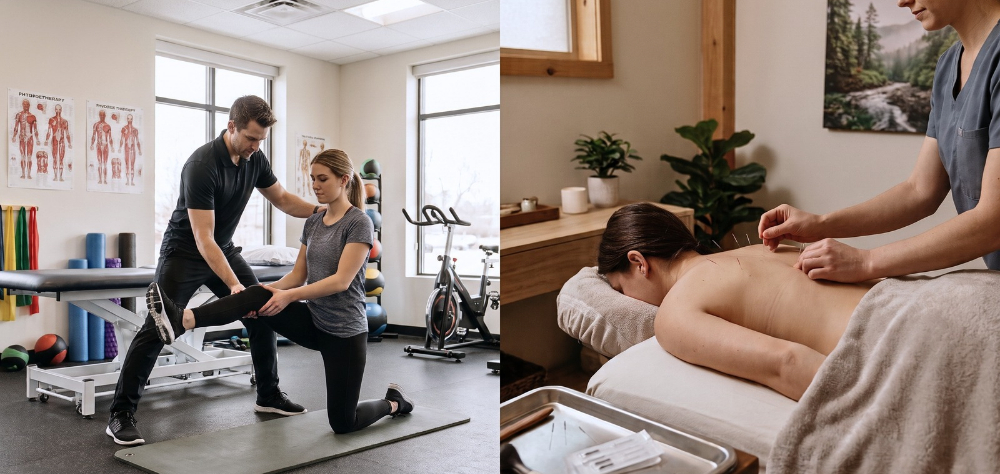
How do massage therapists and acupuncturists typically work together in clinical settings?
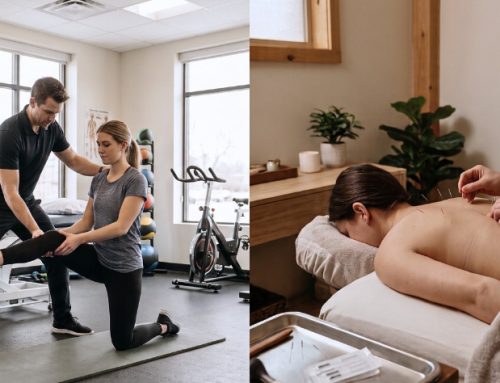
In multidisciplinary settings, the two disciplines are often genuinely complementary rather than redundant.
A 2023 randomized clinical trial published in JAMA Oncology, the IMPACT study conducted at Memorial Sloan Kettering, found that both acupuncture and massage produced significant long-term pain reduction in patients with advanced cancer, with no meaningful difference in effectiveness between them.
That finding has practical implications for how the two disciplines are deployed: rather than competing for the same patients, they are increasingly used in sequence or in parallel based on a patient’s specific presentation.
In orthopedic and rehabilitation settings, a 2024 study in PMC found that patients receiving combined acupuncture and massage therapy had shorter hospital stays, lower rates of joint stiffness, and improved quality of life scores compared to those receiving conventional rehabilitation alone.
Is acupuncture research growing, and does it affect how the field is perceived?
The research base has expanded substantially over the past two decades, with high-quality studies appearing in journals including JAMA, the Annals of Internal Medicine, and BMJ.
A pivotal shift came in 2017, when the American College of Physicians published a clinical practice guideline in the Annals of Internal Medicine recommending acupuncture as a first-line, non-pharmacological treatment for both acute and chronic low back pain, ahead of NSAIDs for initial management.
That guideline carries a “strong recommendation” grade, meaning the evidence review judged acupuncture’s benefits to clearly outweigh its risks for this indication.
For practitioners, that recognition matters concretely: it affects referral patterns from primary care physicians, insurance coverage decisions, and how hospital systems evaluate acupuncture for integration into pain management departments.
Related Posts