Traditional Chinese Medicine (TCM) Courses: What to Expect at Each Level of Study

Choosing the right traditional Chinese medicine course is harder than it looks. The field spans thousands of years of clinical theory, and modern graduate programs have to translate all of it into a curriculum that prepares you to work alongside physicians, nurse practitioners, and other licensed providers.
If you are weighing a career in integrative health and want to understand what training at each level involves, this breakdown is for you.
Southern California University of Health Sciences (SCU) offers an Acupuncture and Chinese Herbal Medicine program built around whole-person care and evidence-informed practice. The program trains graduates not just in needling technique, but in the full clinical and diagnostic scope that defines contemporary practice.
If you want a clear picture of how a rigorous TCM education unfolds, consider exploring what SCU’s program looks like from the ground up.
More Than Needles: What Traditional Chinese Medicine Courses Actually Cover
The Full Scope of a TCM Education, And Why It Surprises Most Applicants
A traditional Chinese medicine course at the graduate level is not a single subject. It is a structured sequence of instruction covering classical theory, diagnostics, acupuncture technique, herbal medicine, biomedical sciences, and supervised clinical practice.
Programs accredited by the Accreditation Commission for Acupuncture and Herbal Medicine (ACAHM) are required to meet specific credit-hour thresholds in each of these domains before graduates are eligible to sit for national licensure examinations.
The core of TCM theory rests on concepts like Qi (energy flow), Yin and Yang, the Five Element framework, and the organ systems described in classical texts. These are not metaphors taught in isolation.
At a rigorous program, students learn how each concept maps onto observable clinical phenomena, how to document patient findings using both traditional and biomedical language, and how to form a treatment rationale that a multidisciplinary care team can understand.
For students who need to build or refresh foundational science knowledge before entering a graduate health sciences program, SCU’s Accelerated Health Sciences offerings provide coursework in subjects like anatomy and physiology that can strengthen academic readiness.
Why the Order You Learn Things Shapes the Clinician You Become
The order in which you move through a TCM curriculum shapes how well you retain and apply what you learn. Programs that front-load theory without connecting it to clinical observation tend to produce graduates who can recite classical texts but struggle in real patient encounters.
Conversely, programs that rush students into clinic before they have solid diagnostic foundations produce practitioners who rely on habit rather than sound reasoning.
SCU’s Acupuncture and Chinese Herbal Medicine program structures its curriculum so that foundational theory, biomedical sciences, and supervised patient contact develop in parallel. By the time students advance to higher-level clinical rotations, they have already spent hundreds of hours studying how to evaluate a patient, form a pattern diagnosis, and select an appropriate treatment strategy.
That sequencing is a direct investment in clinical competence, not just credential attainment.
Two Languages, One Patient: The Core Curriculum of TCM Training
Learning to Think Diagnostically — in Two Frameworks at Once
The first major phase of study is learning to think diagnostically in Chinese medicine terms. This involves the classical organ systems (Zang-Fu theory), the pathways along which acupuncture points are organized (channel theory), and the frameworks used to classify disease patterns, including the Eight Principles, the Six Stages, and the Four Levels.
Students also learn the four diagnostic methods: inquiry, inspection, auscultation, and palpation, with particular emphasis on pulse and tongue assessment.
What makes this phase demanding is that students are simultaneously taking foundational biomedical coursework in subjects like anatomy, physiology, and pathology. The goal is not to pit the two systems against each other, but to develop bilingual clinical fluency.
A practitioner who can translate a finding like “Kidney Yin deficiency with ascending fire” into language a referring physician can act on is more useful to a patient than one who works exclusively in either framework. This dual-language diagnostic training is a hallmark of SCU’s curriculum, which situates Chinese medicine within an evidence-informed, whole-person health model.
From Theory to Technique: Acupuncture, Herbal Medicine, and the Clinic Floor
Once students have built a working knowledge of theory and diagnostics, coursework shifts toward hands-on technique and treatment planning.
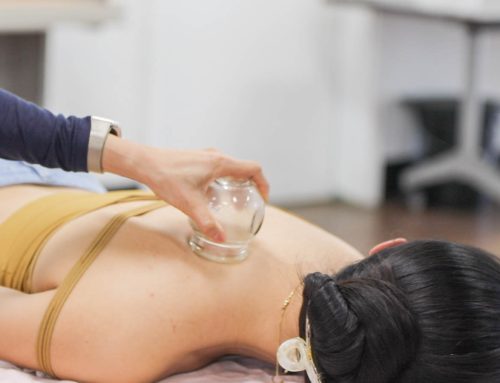
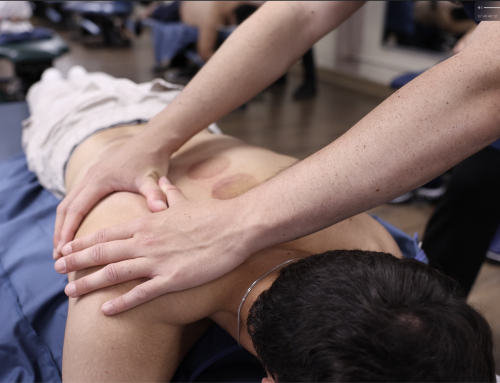
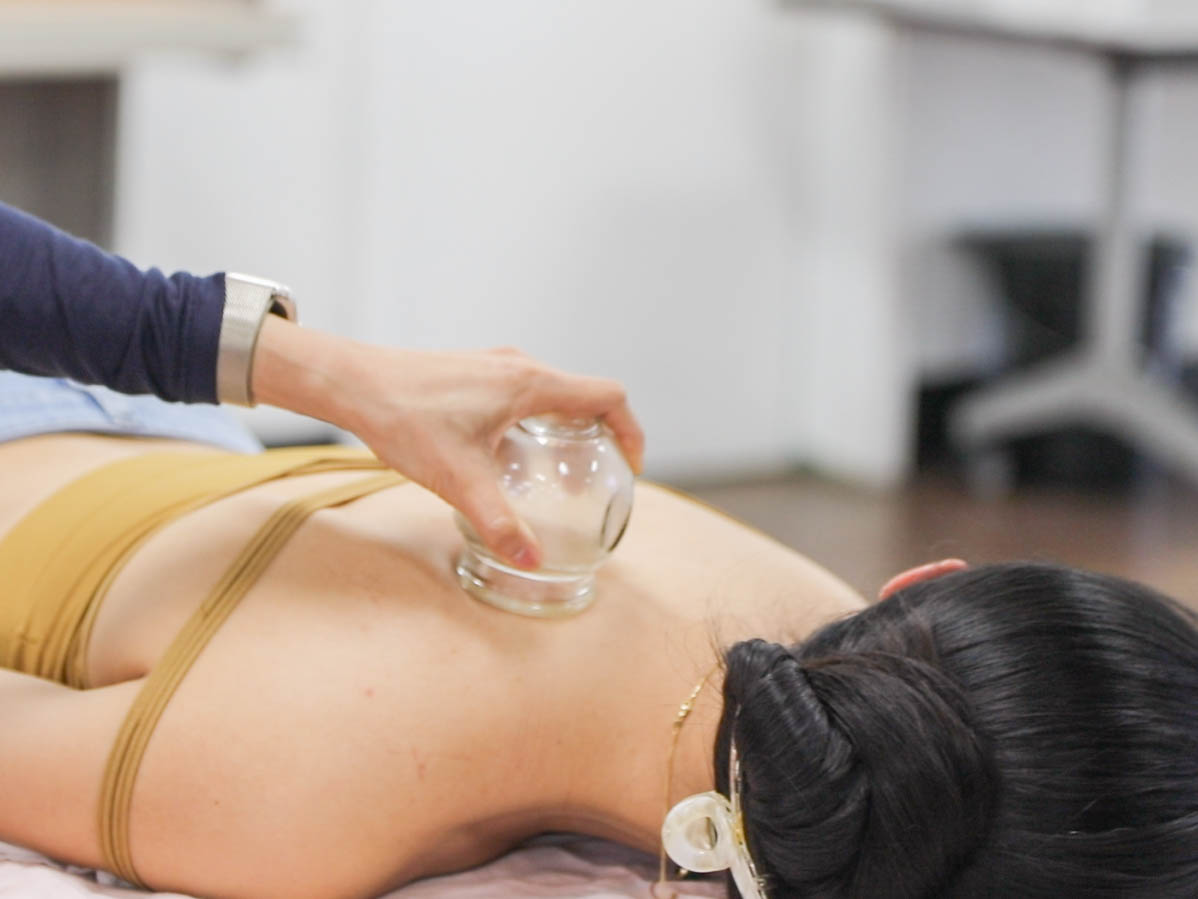
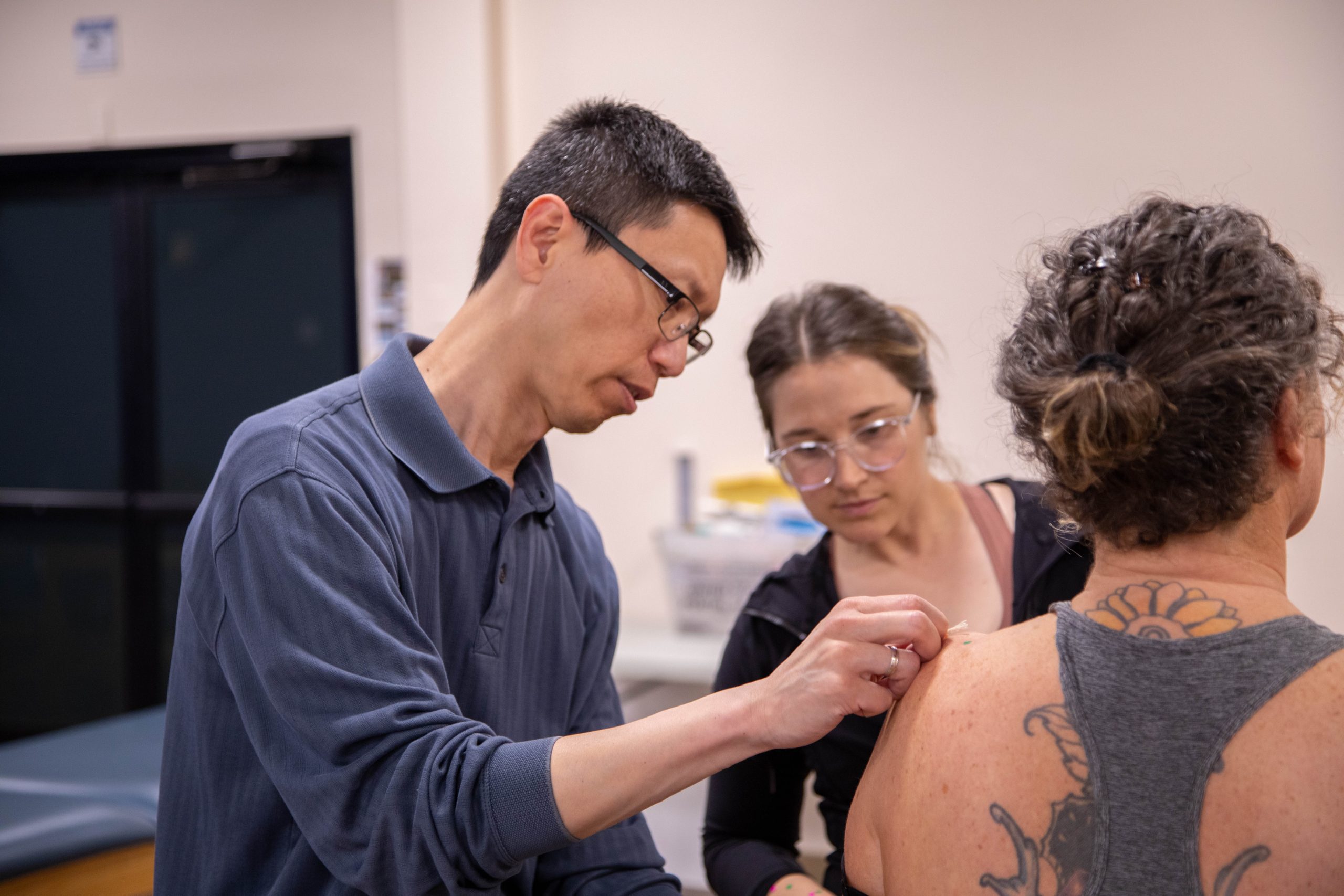
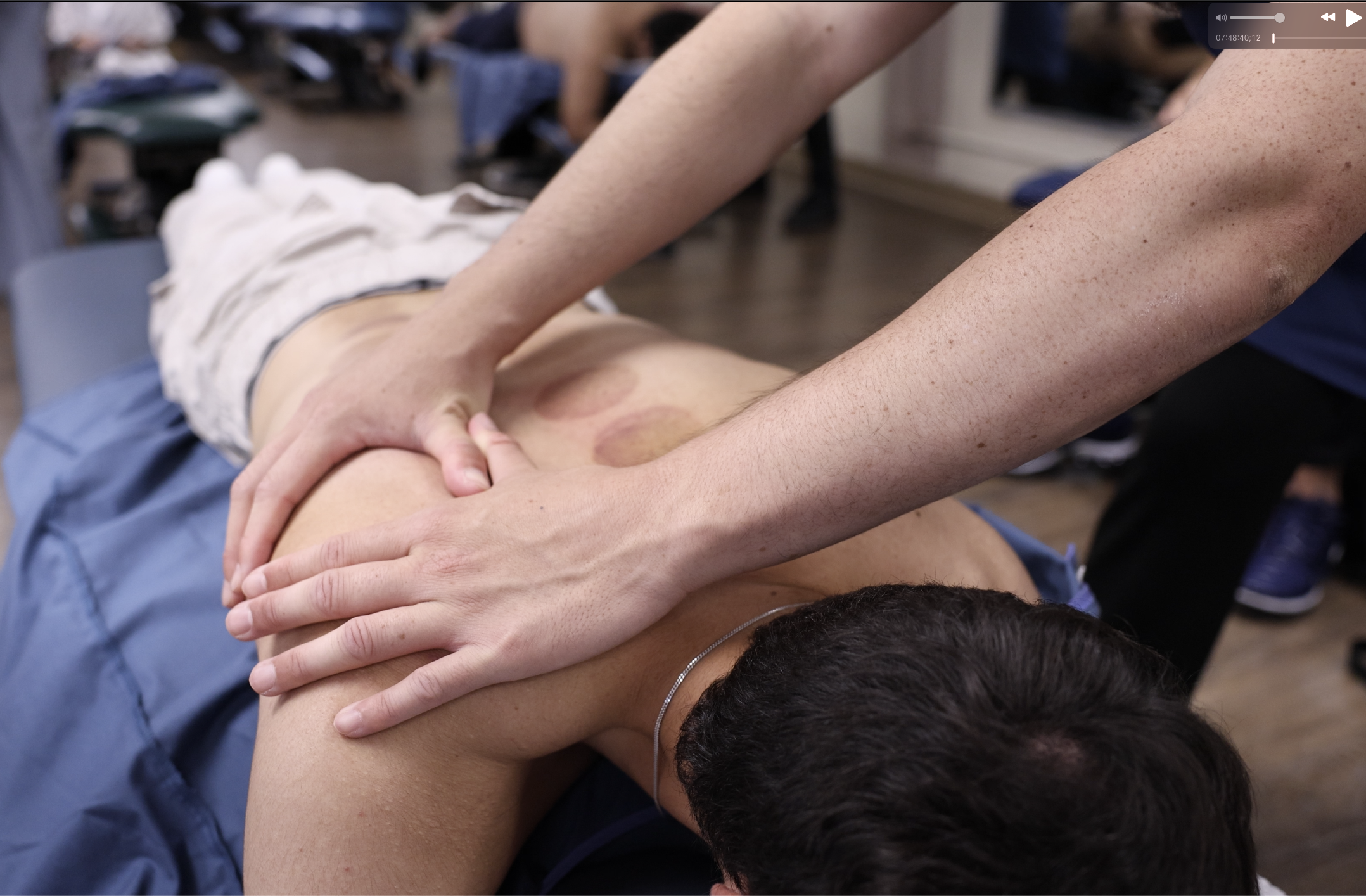
Acupuncture training covers point location, needling depth and angle, needle manipulation techniques, and the use of adjunct modalities like moxibustion, cupping, and gua sha. Accurate point location is a clinical skill with real consequences, and programs that take technique seriously dedicate substantial lab hours to it.
Chinese herbal medicine runs parallel to acupuncture training in most comprehensive programs. Students learn individual herb properties, classical formula structures drawn from texts like the Shang Han Lun and Jin Gui Yao Lue, and how to modify formulas based on a patient’s specific presentation. This is a system of combinatorial logic, and learning it well takes consistent practice across multiple terms.
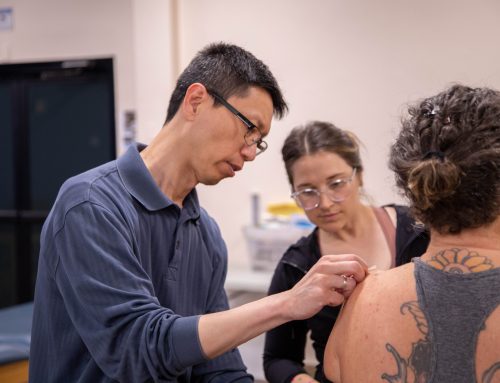
Clinical internship hours, typically completed in an on-site teaching clinic, are where both skill sets converge. Students take patient intake histories, form diagnoses, propose treatment plans, and deliver care under direct faculty supervision.
Ancient System, Modern Standard: A Closer Look at TCM Study
What “Evidence-Informed” Really Means in a Chinese Medicine Classroom
One of the more common misconceptions about this field is that “traditional” signals an aversion to research. Contemporary programs that train graduates for licensure and interprofessional practice take a different view.
Evidence-informed practice means applying current research to clinical decision-making while respecting the classical foundations of the medicine, not choosing one over the other.
In practice, this shows up in how students learn to evaluate outcomes, discuss treatment rationale with patients and other providers, and engage with the growing body of research on acupuncture for conditions like chronic pain, headache, and chemotherapy-induced nausea.
The National Center for Complementary and Integrative Health (NCCIH) maintains an extensive database of clinical trials in this space, and familiarity with that literature is part of what separates a well-trained graduate from one who cannot defend their clinical choices.
Reading Between the Program Pages: How to Evaluate What a TCM Course Will Prepare You For
Understanding the structure of a TCM course sequence helps you evaluate programs more precisely than rankings or marketing language can. The questions worth asking are concrete:
- How many supervised clinical hours does the program require before graduation?
- Is the herbal curriculum integrated with acupuncture training or treated as a separate track?
These questions matter because licensure in most states requires passage of the NCBAHM board examinations, which test both acupuncture and herbal medicine knowledge at a level that reflects the full scope of study.
Programs that prepare students well for those exams are programs that take their curriculum seriously throughout. To speak with an admissions advisor about your specific background, contact SCU directly.
The Whole-Person Difference: What Else You Should Know About TCM Programs
When “Whole-Person Care” Is More Than a Talking Point
The challenge many students face when choosing a healthcare education path is finding a program where stated values match what happens in the classroom. “Whole-person care” appears in a lot of program descriptions.
At SCU, it has a specific institutional definition rooted in a model that accounts for physical, mental, spiritual, socioeconomic, relational, and environmental factors affecting a patient’s well-being, as outlined in SCU’s own framework for whole health.
That definition shapes how content is taught. Students learn to conduct intake assessments that go beyond symptom cataloging, asking what a patient’s health goals are and what their life circumstances look like, because those factors affect both diagnosis and treatment.
This approach aligns with a broader shift that the National Academies of Sciences and clinical leaders have been calling for: care that is purpose-driven and proactive rather than reactive and disease-focused. A TCM education grounded in these principles prepares you to participate in that shift as a collaborative member of an interprofessional care team.
Three to Four Years: What That Timeline Buys You
Most accredited master’s programs run three to four years of full-time study. That timeline accounts for the depth of content involved: classical theory, biomedical sciences, herbal medicine, acupuncture technique, and a minimum number of supervised clinical hours.
ACAHM sets that minimum at 660 supervised hours for acupuncture programs, and higher for those that include herbal medicine.
Students who enter with a strong science foundation tend to move through biomedical coursework more efficiently, which preserves bandwidth for the uniquely demanding theoretical side of the discipline.
For those who completed undergraduate work in non-science fields, SCU’s Accelerated Health Sciences program offers a practical way to build that foundation before beginning graduate study. Reach out to SCU’s admissions team to discuss how your background maps onto program entry requirements.
SCU in Action: Real Results in Acupuncture and Chinese Medicine Education
A Program Built on Accreditation That Matters
SCU’s Acupuncture and Chinese Herbal Medicine program holds accreditation from ACAHM, the recognized accrediting body for acupuncture and Oriental medicine programs in the United States. Accreditation at this level signals that a program meets established standards in curriculum design, clinical training, faculty qualifications, and student outcomes.
It also matters practically: graduation from an ACAHM-accredited program is a prerequisite for NCBAHM board examination eligibility in most states. SCU’s full accreditation details are documented on the SCU accreditation page.
Training Alongside Future PAs, Chiropractors, and OTs By Design
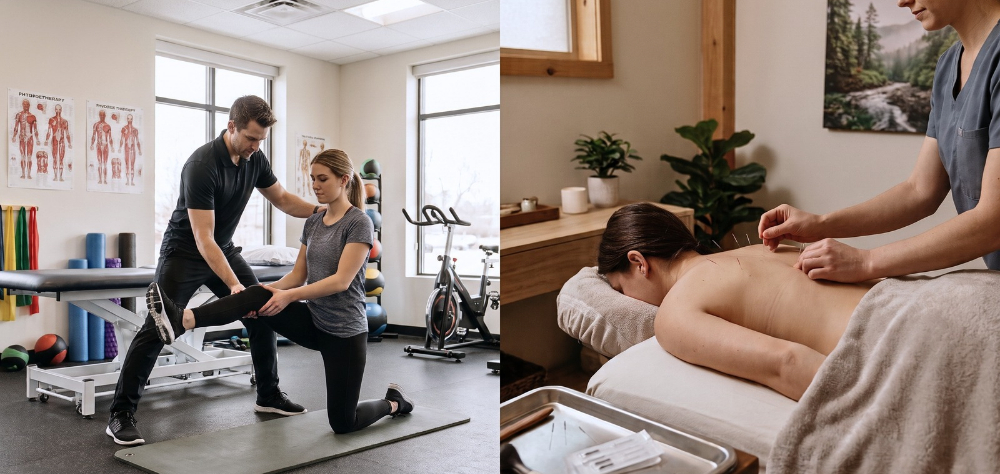
One structural advantage of studying at SCU is that the Acupuncture and Chinese Herbal Medicine program exists within a multi-discipline health sciences university, alongside chiropractic, physician assistant, occupational therapy, and psychology programs.
Students have genuine opportunities to interact with peers training in other clinical fields, which mirrors the collaborative practice environments they will work in after graduation. This interprofessional design is consistent with SCU’s whole-person health mission and is documented throughout SCU’s program materials.
Your Future Patients Are Waiting: Take the Next Step Toward a Career in Acupuncture and Chinese Medicine
A well-structured TCM education is a multi-year investment in a clinical skillset that is both historically grounded and relevant to modern healthcare. The programs worth your time sequence theory and practice thoughtfully, take research seriously, and prepare you to collaborate across disciplines.
SCU’s Acupuncture and Chinese Herbal Medicine program is built on those priorities. If you are ready to explore what that path looks like for your specific background and goals, request information or attend a virtual information session to speak with faculty and current students.
Frequently Asked Questions
Is acupuncture licensure recognized across all U.S. states?
Acupuncture is licensed in 47 states and the District of Columbia, but scope of practice and title protection vary considerably by jurisdiction. Of those 47 states, 22 require full NCBAHM board certification to issue a license, while 26 others use NCCAOM examinations as at least part of their licensure process.
Three states, Alabama, Oklahoma and South Dakota, have no practice act for licensed acupuncturists at all, meaning only physicians, osteopaths, or chiropractors may perform acupuncture there.
Before committing to a program, researching the specific rules in the state where you plan to practice is worth the time, since scope restrictions, title protections, and herbal medicine authority differ significantly from state to state.
Can licensed acupuncturists bill insurance for their services?
Insurance coverage has expanded notably in recent years, but with important limitations practitioners need to understand.
Medicare began covering acupuncture for chronic low back pain in January 2020, allowing up to 12 visits in 90 days, with an additional 8 sessions if the patient shows improvement, for a maximum of 20 treatments annually.
There is a key billing constraint, however: Medicare does not currently recognize licensed acupuncturists as direct Medicare providers, meaning services must be billed under a supervising physician or other eligible provider.
Many private insurers have followed Medicare’s lead in expanding coverage for specific diagnoses, but reimbursement rates and covered conditions vary widely by payer. Graduates planning to work in insurance-based settings typically need to develop billing competency or partner with a billing specialist from the outset of practice.
What is the difference between an LAc. and a DAOM credential?
An LAc. (Licensed Acupuncturist) is the standard credential earned after completing a master’s-level program and passing NCBAHM board examinations, and it is what authorizes independent practice in most states.
A DAOM (Doctor of Acupuncture and Oriental Medicine) is the terminal clinical doctoral degree in the field, designed for licensed practitioners who want to deepen clinical expertise, specialize in complex conditions, or move into academic or leadership roles. DAOM programs are post-master’s and typically run two years, with coursework that goes further into advanced diagnostics, research application, and specialized clinical training.
The DAOM is a clinical doctorate rather than a research-focused PhD, which makes it distinct from academic doctoral pathways in other healthcare fields.
How does studying Chinese herbal medicine affect career options compared to acupuncture alone?
Graduates of programs that include a full Chinese herbal medicine curriculum are eligible to sit for the NCBAHM Chinese Herbology examination in addition to the acupuncture board exams, which expands both the scope of conditions you can address and your competitiveness in integrative medicine settings.
In states where herbal medicine falls within the licensed acupuncturist’s scope of practice, it also opens additional service options for practitioners in private practice. Beyond state-level scope, holding the herbal medicine credential signals to hospital-based and integrative clinic employers that you can handle complex, multi-system presentations that acupuncture alone may not fully address.
What does the clinical evidence base for acupuncture look like?
The National Center for Complementary and Integrative Health (NCCIH) has compiled substantial trial data across multiple conditions.
A 2020 review of nine studies found acupuncture slightly more effective than pharmaceutical drugs for migraine prevention, with significantly lower dropout rates due to side effects. For osteoarthritis, a 2018 review covering over 2,400 participants found acupuncture more effective than both no treatment and sham acupuncture.
The American College of Physicians included acupuncture among its first-line non-drug treatment recommendations for chronic low back pain in 2017.
Practitioners who understand this evidence base, including its limitations and how to communicate findings to referring physicians, are better positioned in clinical environments that require evidence-based rationale for treatment decisions.
Are there post-licensure specialty areas practitioners can develop?
Yes, and the range is broader than most prospective students expect. After completing licensure, practitioners can develop focused expertise in areas such as integrative oncology support, fertility and reproductive health, pediatrics, sports medicine, pain management, and mental health.
Some of these tracks are supported by post-graduate certificate programs, continuing education sequences, or supervised residencies. The Society for Integrative Oncology, for example, has published clinical practice guidelines recommending acupuncture for specific cancer-related symptoms, creating a defined clinical niche for practitioners who pursue that specialization.
What is the job outlook for licensed acupuncturists over the next decade?
According to Bureau of Labor Statistics projections for 2024–2034, employment of acupuncturists is expected to grow, supported by increasing demand for non-pharmacological pain management options and the expansion of integrative medicine departments within hospital systems.
The national median annual wage for acupuncturists is reported at $78,000, with significant variation by practice setting, geographic market, and employment status. Practitioners in private practice with an established patient base of ten or more years can earn substantially above the median.
Geographic market remains one of the strongest predictors of patient volume for new graduates: states with established integrative health communities, including California, New York, and the Pacific Northwest, tend to support more robust demand.
Related Posts