Fast-Track Your Doctorate: Why SCU is a Leader in Accelerated Chiropractic

Choosing an accelerated chiropractic school is one of the most consequential decisions you’ll make on the path to clinical practice. The right program doesn’t just compress a timeline; it shapes the kind of practitioner you become.
Southern California University of Health Sciences (SCU) has built its Doctor of Chiropractic program around something most programs treat as an afterthought: the whole person. That means evidence-informed training, interprofessional clinical exposure, and a curriculum designed to prepare you for the full complexity of patient care, not just board exams.
If your science prerequisites need strengthening before you apply, SCU’s Accelerated Health Sciences program offers a direct bridge into doctoral-level study. But the DC program itself is where the real work begins. Explore SCU’s Doctor of Chiropractic program to see how its structure, clinical training, and whole-person philosophy set it apart.
More Than a Faster Timeline: The Basics of Accelerated Chiropractic Education
What “Accelerated” Means in a DC Program
Accelerated chiropractic school doesn’t mean cutting corners. At the doctoral level, an accelerated structure refers to the way coursework, lab training, and clinical internship hours are sequenced to maximize efficiency without sacrificing depth.
A Doctor of Chiropractic degree requires a minimum of 4,200 clock hours of instruction across basic sciences, clinical sciences, and supervised patient care, as set by the Council on Chiropractic Education. At SCU, the DC program meets and exceeds those benchmarks while building in exposure to integrative care modalities that conventional programs rarely address.
Students study spinal biomechanics, nervous system function, and manual therapy alongside nutrition, acupuncture theory, and whole-person health principles. The result is a graduate who can treat the musculoskeletal complaint in front of them while understanding the broader health context shaping it. For students who want a rigorous, structured path to licensure, SCU’s Doctor of Chiropractic program offers exactly that.
Why Treating the Whole Person Isn’t a Soft Skill — It’s a Clinical Advantage
Most chiropractic programs focus primarily on spinal adjustment and musculoskeletal diagnosis. SCU treats those competencies as a foundation, not a ceiling.
According to SCU’s own published framework, whole health requires practitioners to consider “not just the physical, but also the mental, spiritual, socioeconomic, relational, environmental, and systems-level factors that may be impacting a person’s health and well-being.” That orientation shows up directly in the curriculum.
Students learn to take patient histories that go beyond chief complaints, integrating conservative care with lifestyle counseling, rehabilitation, and referral pathways. For someone drawn to patient-centered practice rather than transactional treatment, this framing positions chiropractic not as an isolated specialty, but as a primary care discipline capable of addressing the full scope of a patient’s needs.
The clinical case for this approach is gaining traction in the research literature. A study published in the Journal of General Internal Medicine found that Veterans receiving spinal manipulation through the VA had a 23% lower likelihood of opioid use compared to those under standard medical management. Practitioners who understand pain through a whole-person lens are better positioned to work in the integrated care settings where that evidence matters most.
You Can’t Rush What You Don’t Know: The Fundamentals of Chiropractic Training at SCU
From Biomechanics to Differential Diagnosis: What the Coursework Covers
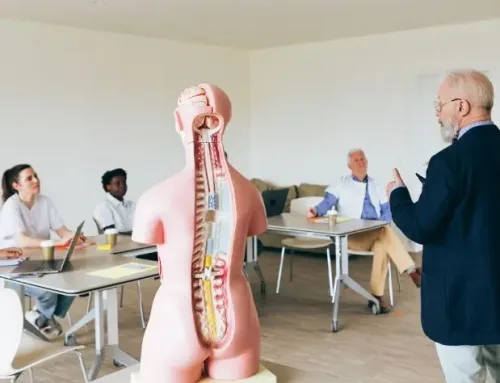
The clinical core of any DC program lives in its technique and diagnosis coursework. At SCU, students progress through spinal biomechanics, chiropractic adjustive technique, differential diagnosis, and patient assessment as a sequenced curriculum, with each course building on the last.
Technique instruction in accredited DC programs typically covers multiple adjustive methods, including Diversified, Thompson, Gonstead, and soft tissue approaches, giving graduates clinical flexibility rather than a single-method practice style.
Diagnosis training emphasizes evidence-informed decision-making, with students learning to interpret imaging, perform orthopedic and neurological examinations, and apply clinical reasoning to complex presentations.
This isn’t a light survey of assessment tools. It’s the same diagnostic foundation that prepares graduates for the National Board of Chiropractic Examiners four-part examination sequence. Students who need to build or reinforce science prerequisites before entering this track can do so through SCU’s Accelerated Health Sciences courses.
Where the Real Learning Happens: Clinical Internship and Supervised Patient Care
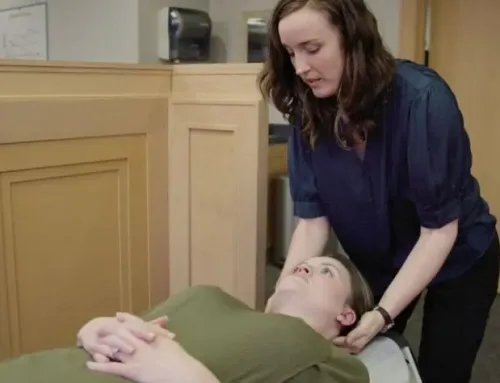
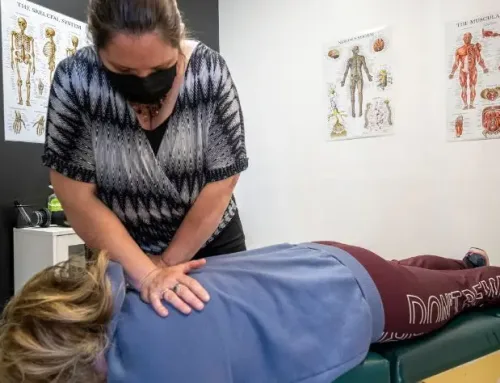
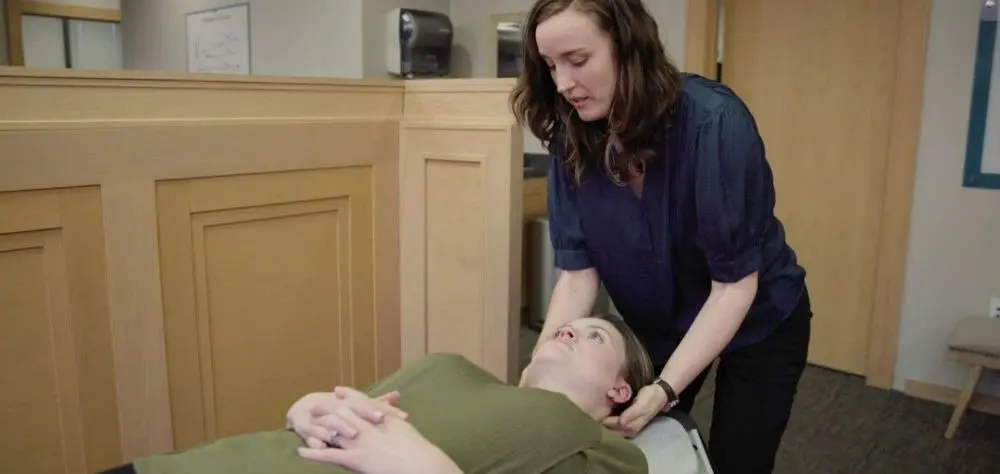
Where many programs treat clinical internship as a final-year capstone, SCU integrates supervised patient care earlier and more continuously. Students begin working in SCU’s on-campus health center under licensed clinician supervision before they reach their final trimesters, building procedural confidence alongside classroom instruction.
SCU operates the SCU Health System, which includes chiropractic, acupuncture, and integrative medicine clinics. This interprofessional environment means DC students observe and collaborate with students and practitioners from other disciplines, mirroring the referral relationships and team-based care models they’ll encounter after graduation.
The American Chiropractic Association reports approximately 70,000 licensed chiropractors currently practicing in the U.S., with roughly 2,800 new practitioners entering the workforce each year. Employment is projected to grow 10% from 2023 to 2033, faster than the average for all occupations, driven in large part by rising demand for non-pharmacological pain management.
The Questions Most Prospective Students Forget to Ask About Accelerated Chiropractic School
Setting the Record Straight on Rigor and Readiness
The phrase “accelerated chiropractic school” sometimes raises concerns about academic rigor, with the assumption being that a faster timeline must mean less preparation. At the accreditation level, that concern doesn’t hold.
The Council on Chiropractic Education sets minimum clock-hour and competency requirements that all accredited programs must meet regardless of calendar structure. Acceleration refers to scheduling efficiency, not reduced content.
A more legitimate question is whether compressed formats give students enough time to consolidate clinical skills. SCU addresses this through its progressive internship model: students don’t encounter real patients for the first time in their final trimester. Clinical exposure is woven throughout, so by the time students reach advanced internship hours, they’re refining skills rather than learning them from scratch.
How to Tell If This Is the Right Program for You
Selecting the right program involves more than comparing lengths. The questions worth asking:
- How early does supervised patient contact begin?
- What adjustive technique systems are taught?
- Does the program hold CCE accreditation, which is required for licensure eligibility in all 50 states?
SCU checks those boxes and adds something less common: a commitment to integrative, whole-person care that prepares graduates for a healthcare environment increasingly oriented toward conservative, non-pharmacological treatment.
Students who want to confirm their science readiness before applying can use SCU’s Accelerated Health Sciences program as a preparation step.
Beyond the Degree: What Else You Should Know
The Career You’re Training For
Chiropractic is one of the few doctoral-level healthcare careers that combines independent practice ownership with genuine long-term patient relationships. Practitioners see the same patients across acute episodes, maintenance care, and wellness visits, a continuity of care that physicians in many specialties rarely experience.
The opioid-reduction case for chiropractic is also well-documented. Research published in Pain Medicine found that patients with low back pain who received chiropractic spinal manipulation were 64% less likely to use opioids compared to those who did not, and the VA study cited earlier recorded a 23% reduction among Veterans.
This body of evidence has accelerated chiropractic’s integration into systems where reducing pharmaceutical dependency is an explicit clinical goal. The VA, under VHA Directive 1210 (March 2024), reaffirmed its commitment to embedding DCs within primary care, rehabilitation, and pain management teams.
A less-discussed but growing employment frontier is Federally Qualified Health Centers (FQHCs). A 2025 study in the Journal of Integrative and Complementary Medicine found that only 0.3% of DCs currently work in community health centers, despite chronic pain affecting 50-60% of FQHC patients in some regions. For graduates prepared to practice in interprofessional, underserved settings, that gap represents a meaningful opportunity that most programs never mention.
Program Length, Licensure, and How to Get Started
SCU’s Doctor of Chiropractic program spans 10 trimesters, moving students through foundational sciences, clinical sciences, and supervised internship in a coherent sequence. Graduates are eligible to sit for the National Board of Chiropractic Examiners (NBCE) examinations, required for licensure in all U.S. states.
The NBCE administers four parts plus a physiotherapy examination, with board preparation integrated into SCU’s curriculum throughout. One financial consideration worth understanding before enrollment: a 2024 peer-reviewed study in the Journal of Chiropractic Education found that the mean student loan debt for practicing DCs was $249,149, with 35.7% of respondents carrying between $250,000 and $349,999.
This reflects the cost structure of doctoral healthcare education broadly, but it’s a number every prospective student should factor into program selection and financial planning from day one. Students interested in learning more can request information from SCU’s admissions team directly.
Built in the Clinic, Proven in Practice: SCU in Action
On-Campus Clinical Training Through the SCU Health System
SCU operates a multi-discipline health center on its Whittier, California campus providing chiropractic, acupuncture, and integrative medicine care to the surrounding community. DC students complete their supervised internship hours within this facility, working alongside licensed chiropractors and students from SCU’s other health sciences programs.
This interprofessional setting reflects SCU’s explicit commitment to training practitioners who understand how disciplines collaborate rather than operate in silos. Details about the clinical training environment are available on the SCU Health page.
CCE Accreditation and Why It Matters for Your License
SCU’s Doctor of Chiropractic program holds accreditation from the Council on Chiropractic Education, which is the standard licensing boards in all 50 states required for graduate eligibility. SCU also holds regional accreditation from WASC Senior College and University Commission (WSCUC).
Full details are available on SCU’s accreditation page.
Take the Next Step Toward a Career in Chiropractic Care
The accelerated chiropractic school conversation often gets stuck on timeline. But the more useful frame is preparation: what kind of practitioner does the program produce, and are you ready to practice independently when you finish?
SCU’s Doctor of Chiropractic program is built around evidence-informed training, hands-on clinical exposure that begins before the final year, and a whole-person philosophy that reflects where integrative healthcare is heading.
Graduates leave with the technical skills required for licensure and the broader clinical perspective to use those skills well, including in VA facilities, FQHCs, and interprofessional settings reshaping where chiropractors work.
Explore SCU’s Doctor of Chiropractic program and request information from the admissions team when you’re ready to take the next step.
Frequently Asked Questions
How does a trimester-based chiropractic calendar affect a student’s daily workload?
Year-round trimester schedules mean fewer breaks between terms, but they also mean shorter individual terms, typically around 15 weeks each. According to Campbellsville University’s Doctor of Chiropractic program FAQ, most DC semesters carry between 25 and 30 hours of class time per week, with school days running roughly 6 to 8 hours. That load makes holding a traditional full-time job during the program genuinely difficult, not just inconvenient.
The intensity also shifts as the program progresses. Early trimesters are lecture and lab-heavy, covering anatomy, physiology, biochemistry, and technique. By the middle trimesters, students are preparing for NBCE Part I and Part II examinations while maintaining their full course load.
In the final trimesters, classroom hours reduce but clinical internship hours increase significantly. Some programs report interns seeing patients 25 to 40 hours per week during externship rotations. The workload doesn’t shrink; it changes shape. Prospective students who map out these phases before enrolling are far better positioned to manage them when they arrive.
What prerequisites do I need before applying to a Doctor of Chiropractic program?
Most accredited DC programs, including SCU’s, require a minimum number of undergraduate science credit hours in subjects like biology, chemistry, physics, and psychology. SCU requires at least 90 semester hours of undergraduate coursework, with specific science prerequisites included.
Students with preparation gaps can complete those requirements through SCU’s Accelerated Health Sciences program, which offers anatomy, physiology, chemistry, and other prerequisite courses designed for healthcare program applicants.
It’s worth noting that the prerequisite sciences aren’t just boxes to check. They form the conceptual foundation for the entire DC curriculum. Anatomy and physiology are revisited at greater depth in the first two trimesters, and a weak undergraduate foundation can make the transition significantly harder. Students who take their prerequisites seriously tend to enter the program with a meaningful advantage.
Is a Doctor of Chiropractic degree equivalent to other doctoral healthcare degrees?
A Doctor of Chiropractic (DC) is a first-professional doctoral degree, similar in structure to a Doctor of Medicine (MD) or Doctor of Dental Surgery (DDS). It requires undergraduate preparation followed by a graduate-level professional program and national board examinations for licensure.
DC graduates are licensed primary care providers in all 50 U.S. states with authority to diagnose, treat, and manage musculoskeletal and neuromusculoskeletal conditions. Scope of practice varies by state, but the credential represents a full doctoral-level clinical education.
Where the DC differs from an MD is in therapeutic philosophy and scope rather than educational rigor. Chiropractors are trained in manual therapy, rehabilitation, and conservative musculoskeletal care, and do not prescribe pharmaceuticals in most states. Some states are actively expanding DC scope. Oregon, for instance, permits chiropractors to order and interpret diagnostic imaging independently, so the regulatory landscape is worth tracking if you have a specific state or practice setting in mind.
What licensing steps come after passing the NBCE exams?
Passing the NBCE sequence is necessary but not sufficient for licensure. According to the NBCE’s own certification and licensure guidance, all 50 states, the District of Columbia, Puerto Rico, and the Virgin Islands regulate chiropractic practice and grant licenses independently, meaning the NBCE administers the exams but does not issue licenses.
Each state board reviews transcripts, exam scores, and additional documentation before granting the right to practice. Post-NBCE steps typically include a criminal background check, a state jurisprudence examination on local scope-of-practice laws, and submission of personal references. Some states layer on additional requirements: Oregon, for example, requires three separate state-specific exams beyond the national boards.
Timing matters here more than most new graduates realize. State board applications often take several months to process, and some states offer jurisprudence examinations only on specific dates a limited number of times per year. Starting the research in your eighth or ninth trimester, identifying your target state, gathering required documents, and confirming examination windows can meaningfully shorten the gap between graduation and legal practice.
The Federation of Chiropractic Licensing Boards (FCLB) maintains a directory of all state board requirements and is the most reliable starting point for that research.
What does a chiropractic practice look like day to day?
According to the Bureau of Labor Statistics, most chiropractors work in solo or group private practices. The lowest 10% of earners bring in under $44,780 annually and the highest 10% exceed $149,990, with a median of $79,000 as of May 2024. That figure covers salaried employees only and does not include self-employed owners, whose income potential is typically higher as the practice matures.
Beyond patient care, private practice owners take on hiring, billing, marketing, and lease management. Those entering group or integrated settings trade some of that administrative burden for less schedule autonomy and, in most cases, a more stable but modest income floor.
The early-career trajectory also looks different depending on practice type. Associates in established clinics typically earn in the lower range of the BLS figures but gain mentorship, patient volume, and clinical exposure without the overhead risk of ownership.
Many use associate positions as a deliberate two-to-three year runway before opening their own practice. The BLS projects roughly 2,800 new chiropractic job openings per year through 2034, with a meaningful share created by retiring practitioners, which historically means practice acquisition opportunities for mid-career DCs alongside the usual associate hiring.
Are chiropractors being integrated into VA and federal healthcare settings?
Yes, and the integration is expanding. Under VHA Directive 1210, issued March 2024, the VA reaffirmed its commitment to expanding chiropractic services across its facilities, embedding DCs within primary care, rehabilitation, and pain management teams. Chiropractic care is now part of the standard Medical Benefits Package for all eligible Veterans.
Beyond the VA, a 2025 study in the Journal of Integrative and Complementary Medicine identified Federally Qualified Health Centers as a largely untapped setting. Currently only 0.3% of DCs work in community health centers, despite chronic pain affecting 50-60% of FQHC patients in some regions.
For prospective students, the practical implication is that federal and community health employment is a real career pathway, not a niche exception. VA chiropractors are credentialed employees who receive federal benefits and structured schedules.
FQHCs often qualify practitioners for federal student loan repayment programs through the National Health Service Corps, which can meaningfully offset the debt burden discussed in the FAQ below. Neither setting is as visible during the application process as private practice, but both are worth evaluating before you commit to a career path.
How should I think about student loan debt when choosing a chiropractic program?
Student debt is a meaningful variable in this decision. A 2024 peer-reviewed study in the Journal of Chiropractic Education found that the mean DC student loan balance was $249,149, with more than a third of respondents carrying between $250,000 and $349,999.
When evaluating programs, total cost of attendance, not just per-trimester tuition, is the figure that matters. Living expenses, annual tuition increases, and interest accrual during enrollment all push the final balance higher than sticker price suggests.
The debt picture also interacts directly with your intended practice model. Associates earning in the $60,000 to $70,000 range in their first few years face a very different repayment reality than practice owners who clear six figures after building a patient base. Federal income-driven repayment plans can make the early years manageable, but they extend the repayment timeline and increase total interest paid.
Public Service Loan Forgiveness (PSLF) is available to DCs employed at qualifying nonprofit or government institutions, including VA facilities and FQHCs, after 10 years of qualifying payments. This is one reason those employment settings are worth evaluating alongside private practice.
Prospective students should request a full cost-of-attendance estimate, model out repayment scenarios under two or three different income trajectories, and build that analysis into their program selection decision before matriculating. For more information on federal loan repayment options available to clinicians in underserved settings, visit the National Health Service Corps.
Related Posts