A New Model for Physical Therapy Education: Inside SCU’s Doctor of Physical Therapy Immersive Lab
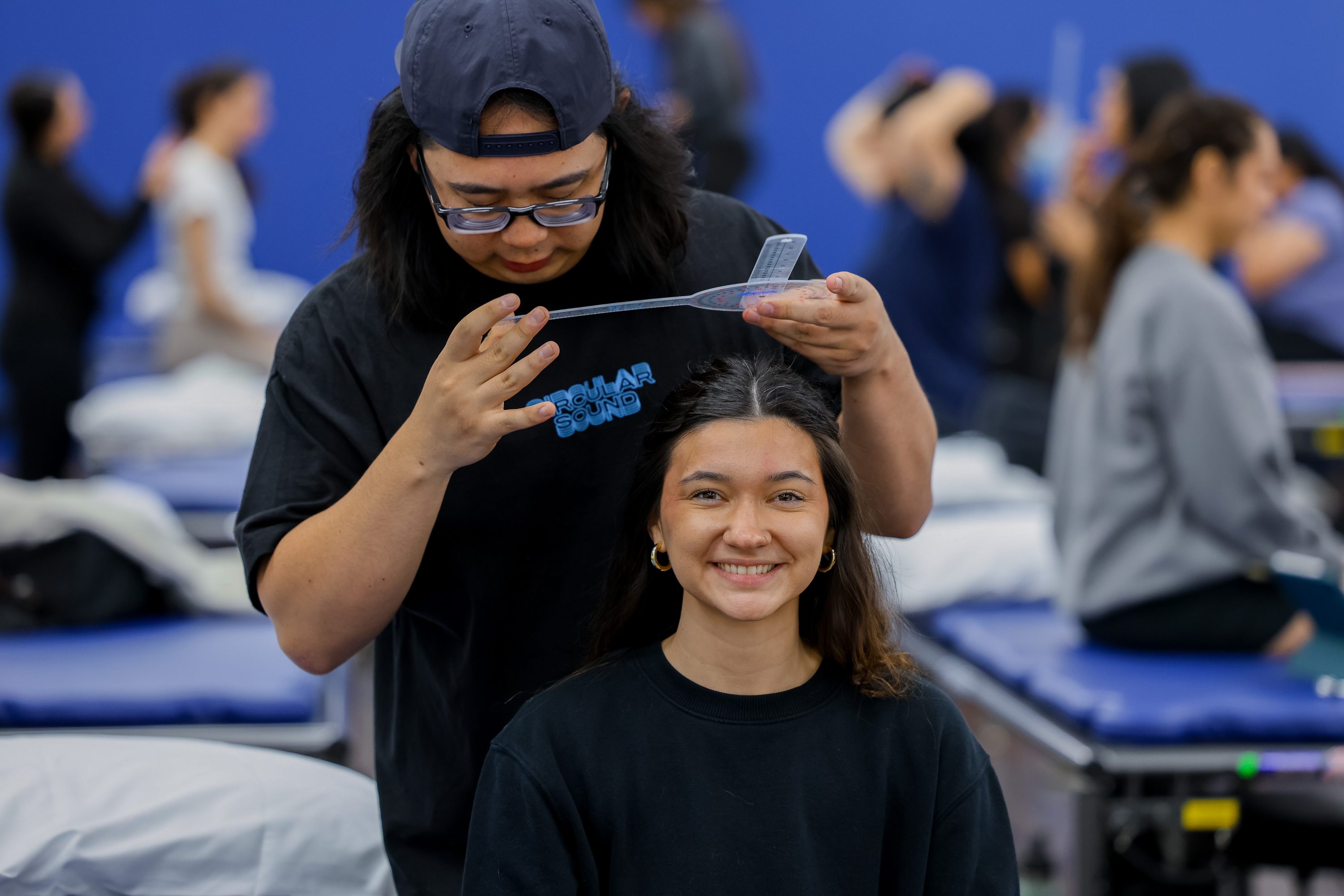
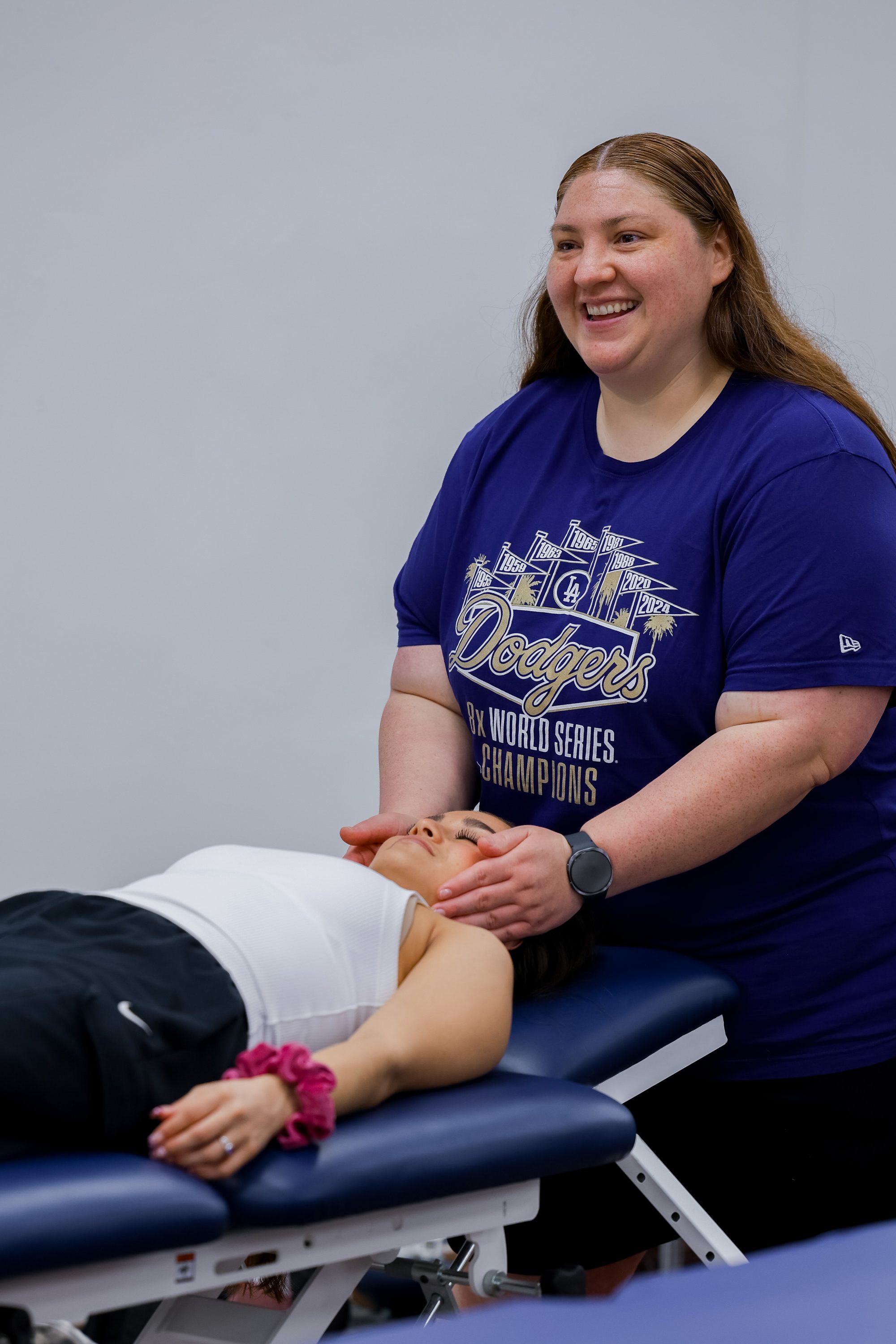
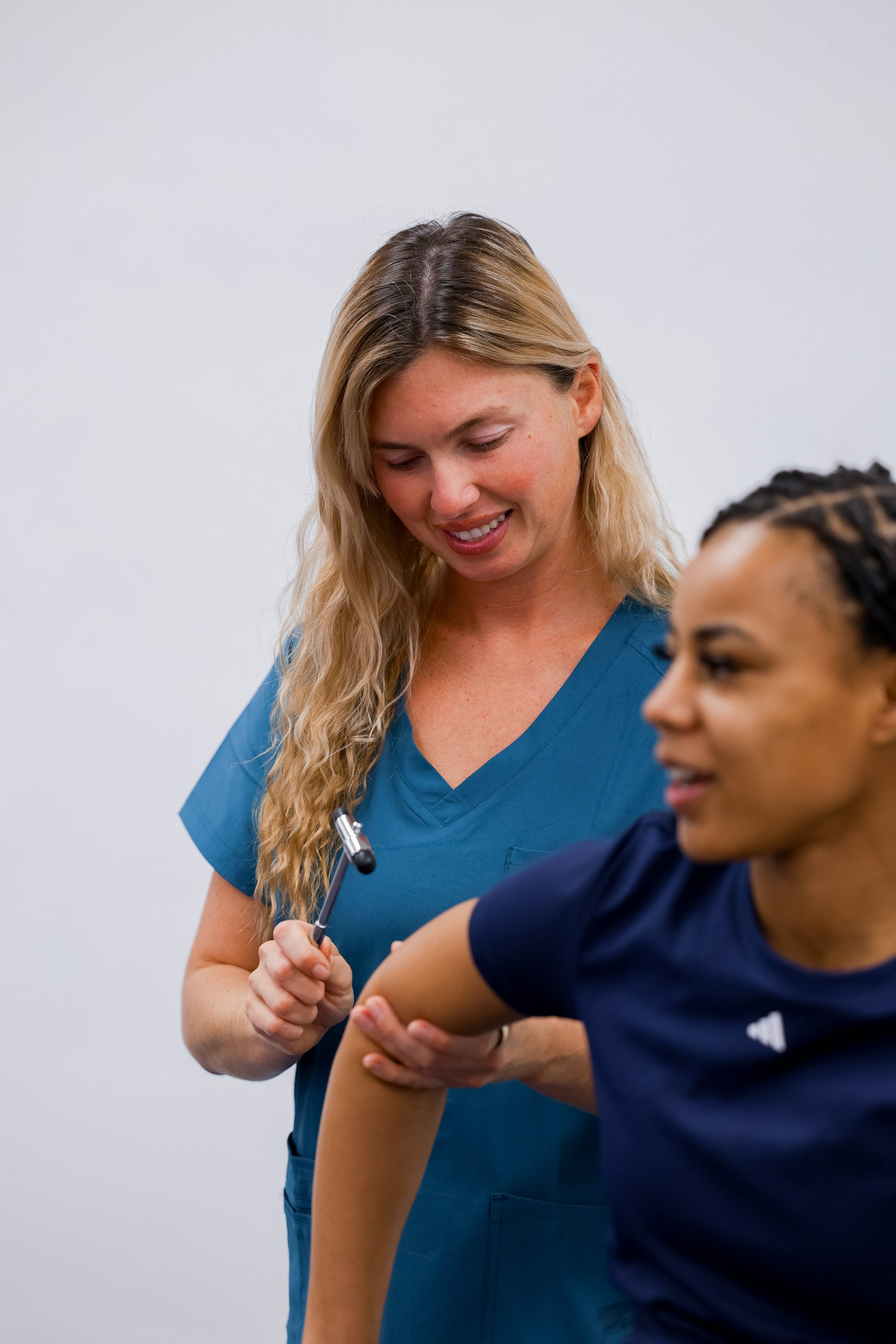
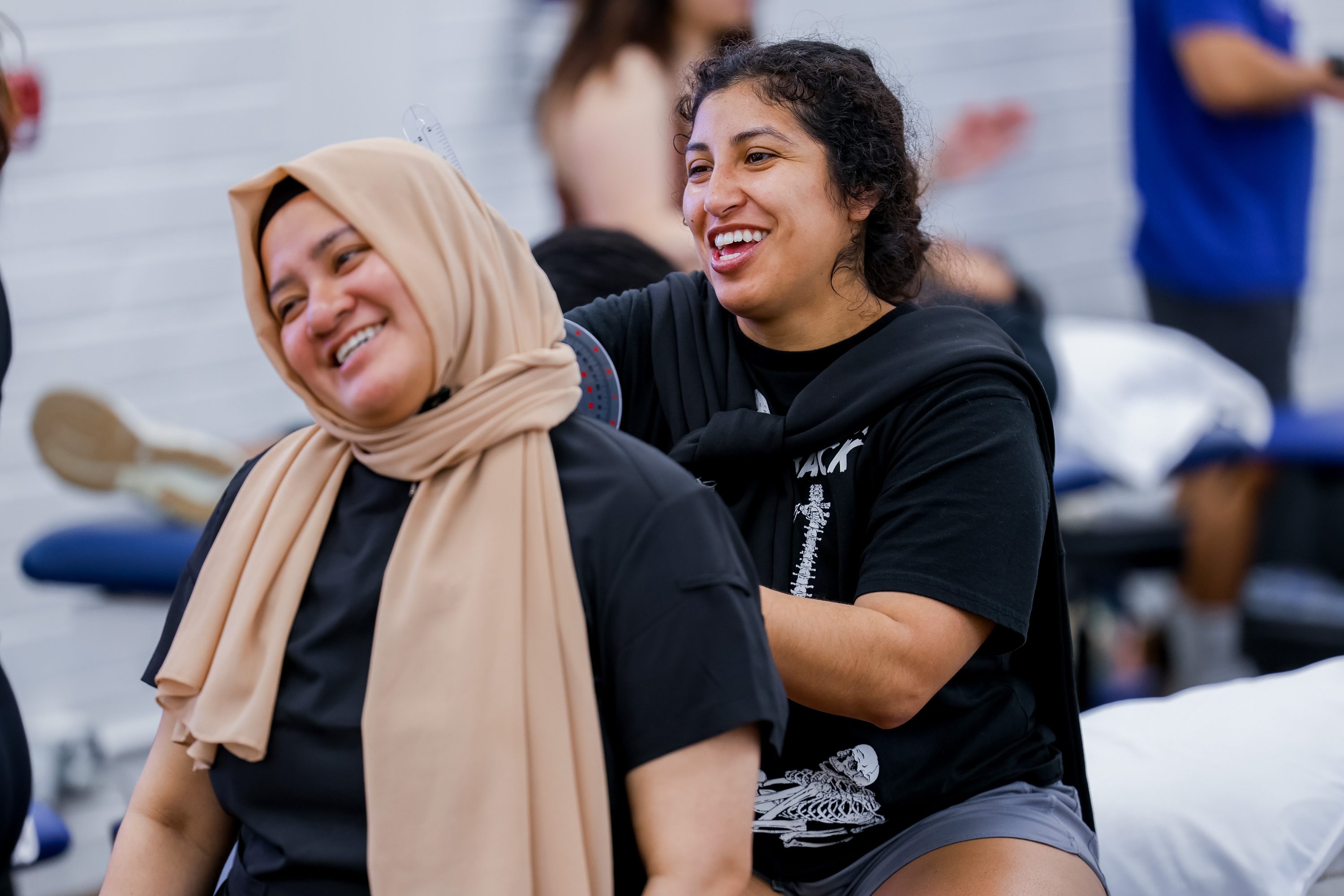
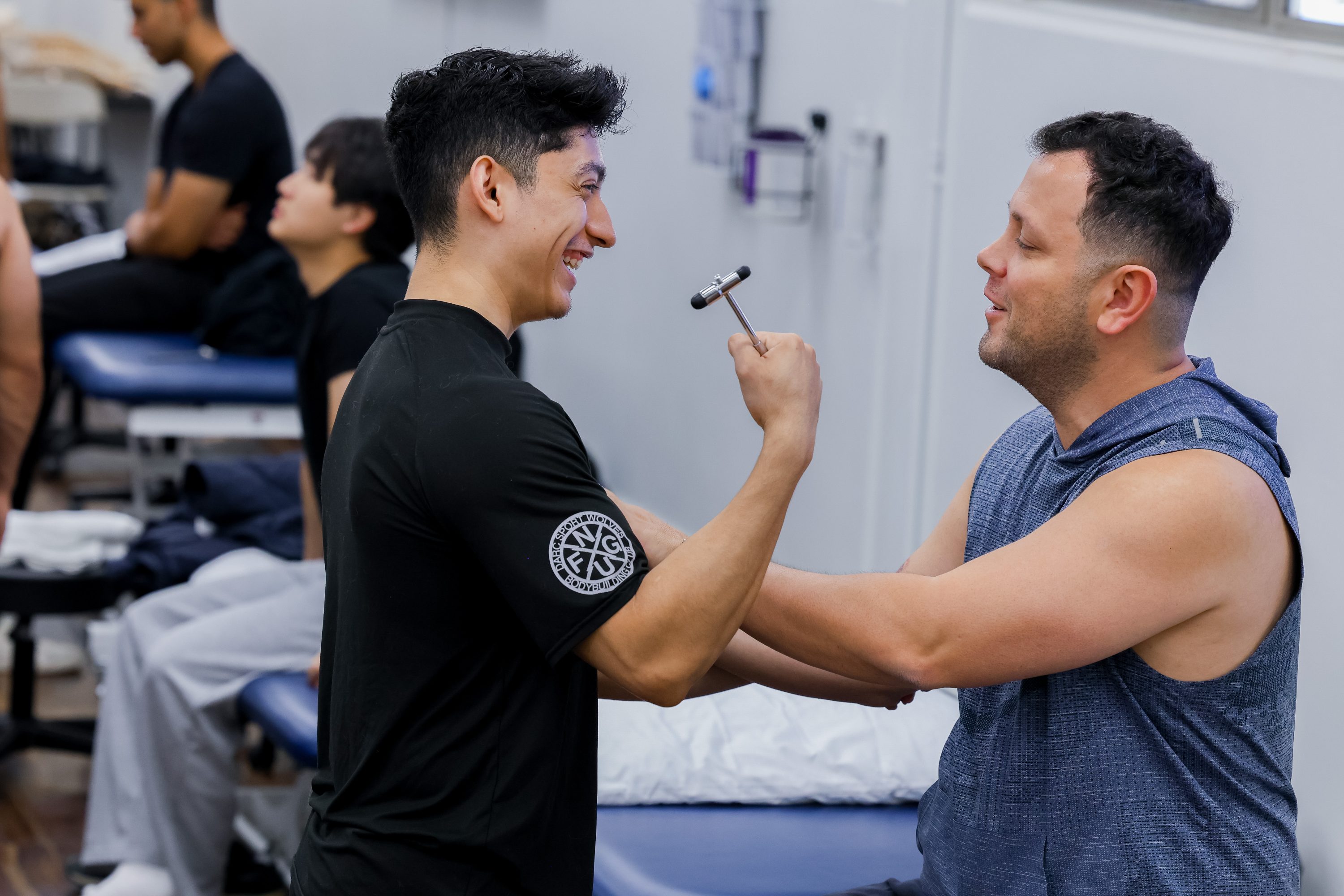
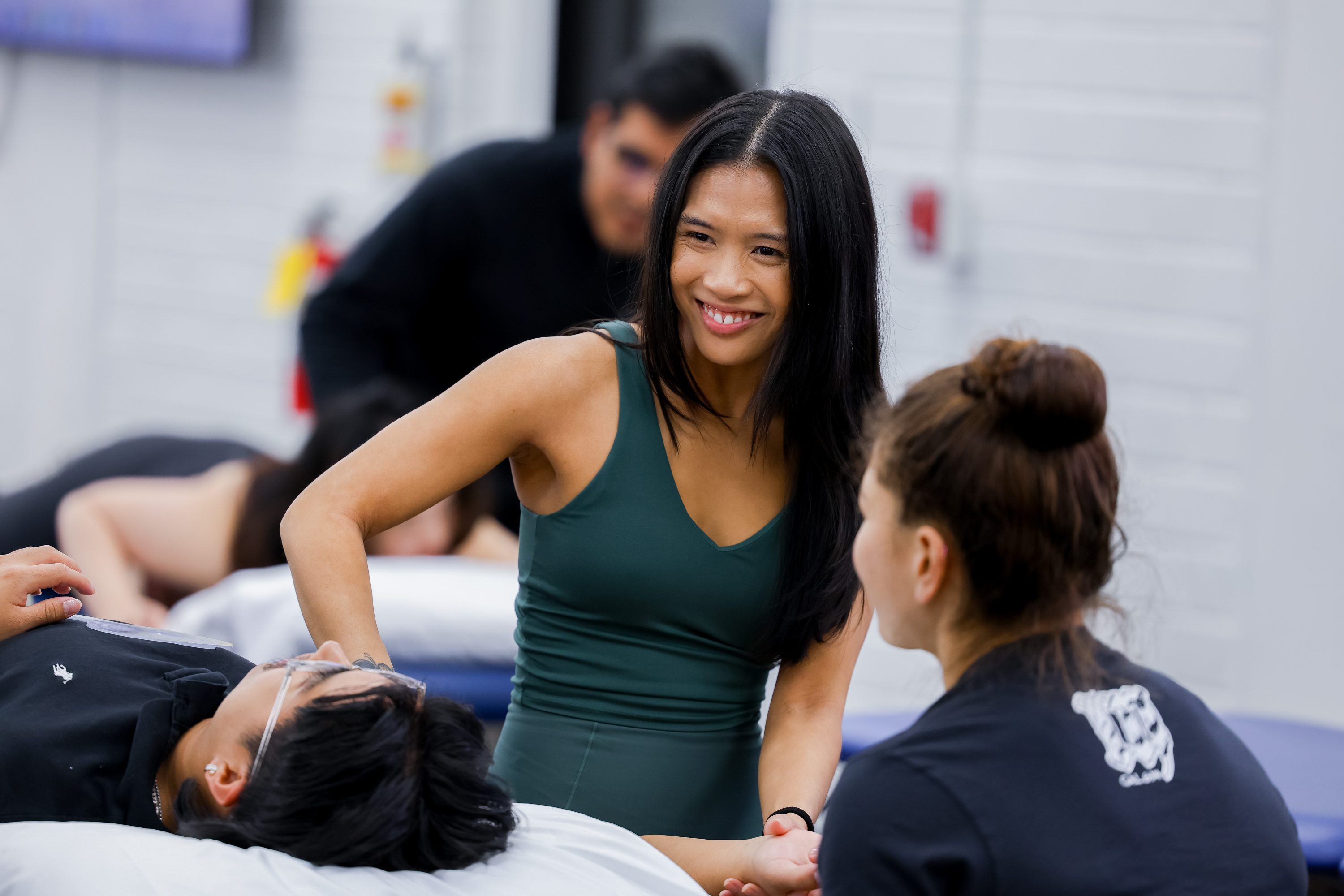
Click on the image above to view a photo gallery.
Southern California University of Health Sciences (SCU) recently welcomed the inaugural cohort of its Doctor of Physical Therapy (DPT) program to the Whittier campus for a nine-day immersive lab experience.
The experience brought together 88 students and 15 faculty members, marking an important milestone in the launch of SCU’s newest healthcare program and introducing a distinctive approach to physical therapy education—one designed to better prepare students for the evolving demands of modern healthcare.
A Flipped Classroom Approach to Learning
SCU’s DPT program is designed using a flipped classroom model, an approach that shifts how and where learning takes place to better support skill development and clinical readiness.
In this model, students complete foundational coursework—including lectures, readings, and guided instruction—online before arriving on campus. This allows in-person sessions to focus entirely on application, clinical reasoning, and real-time feedback.
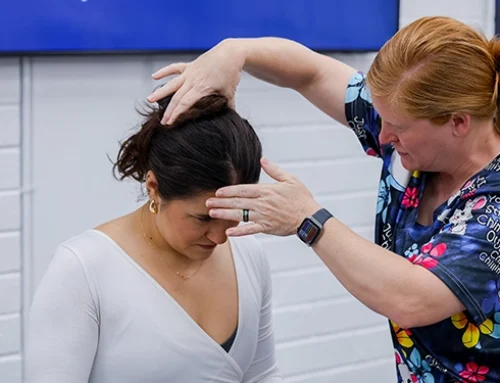
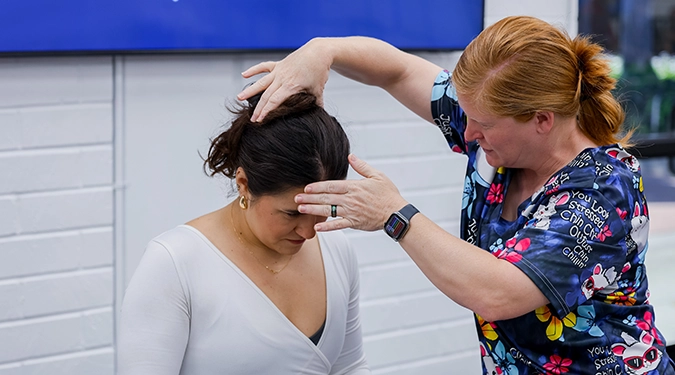
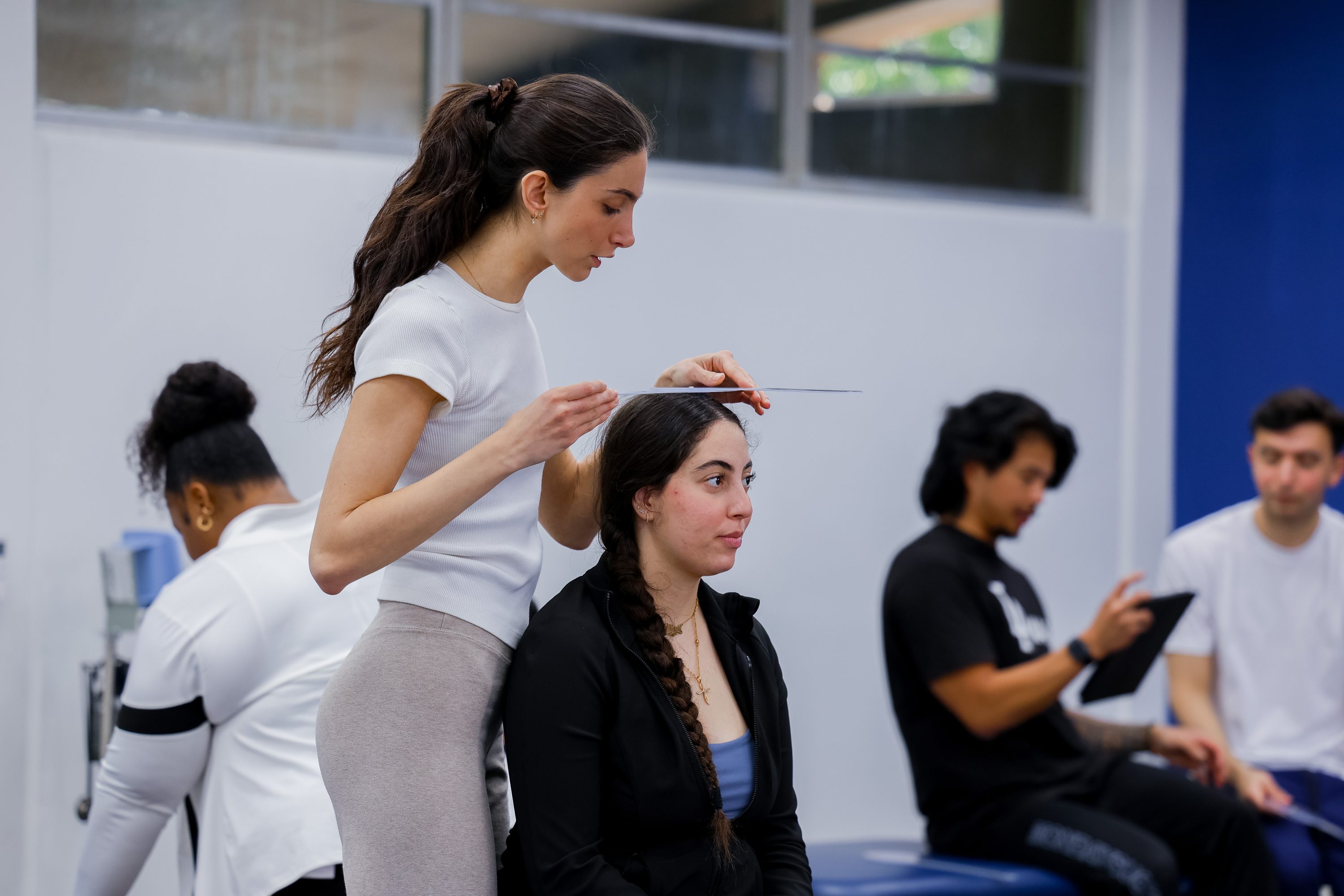
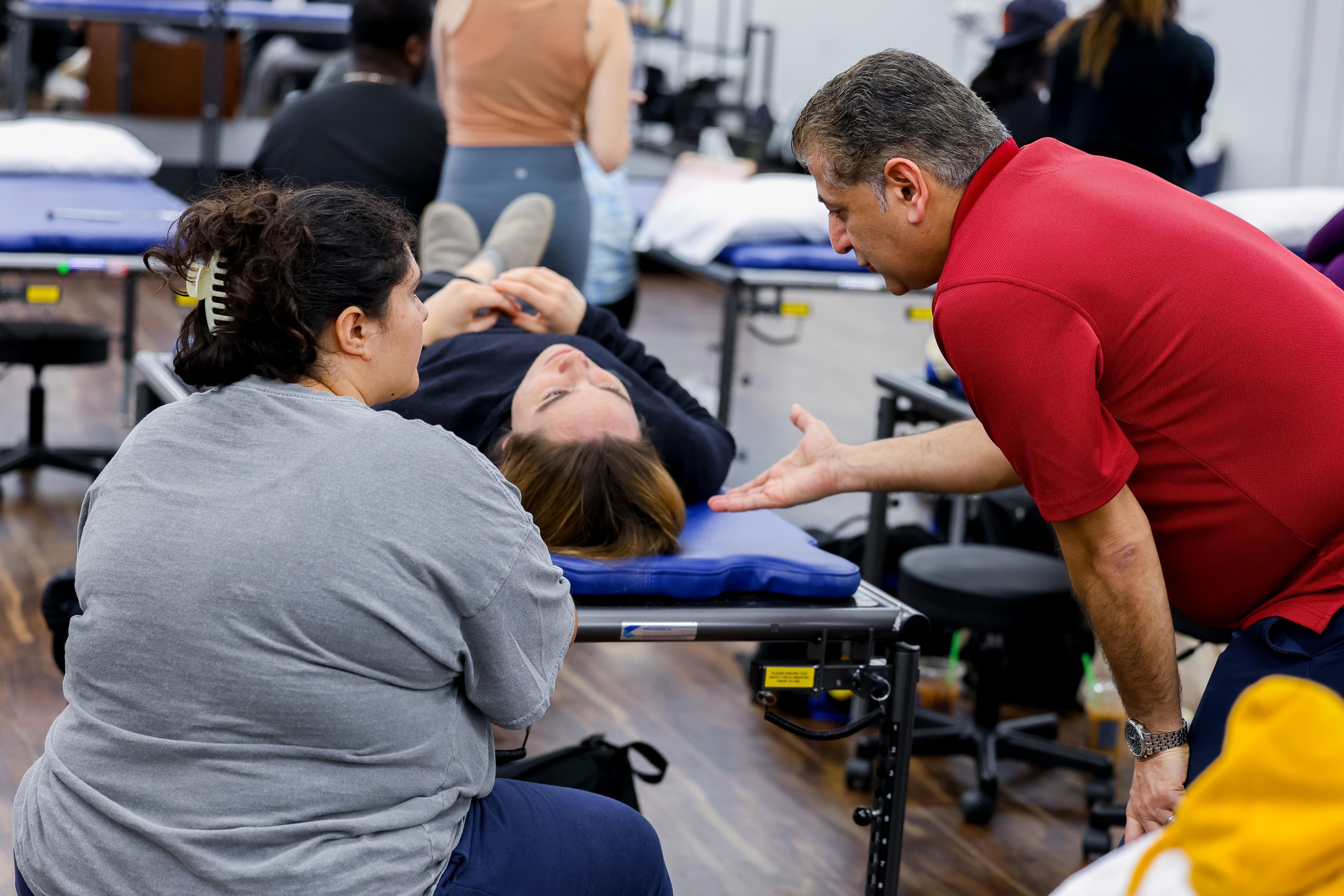
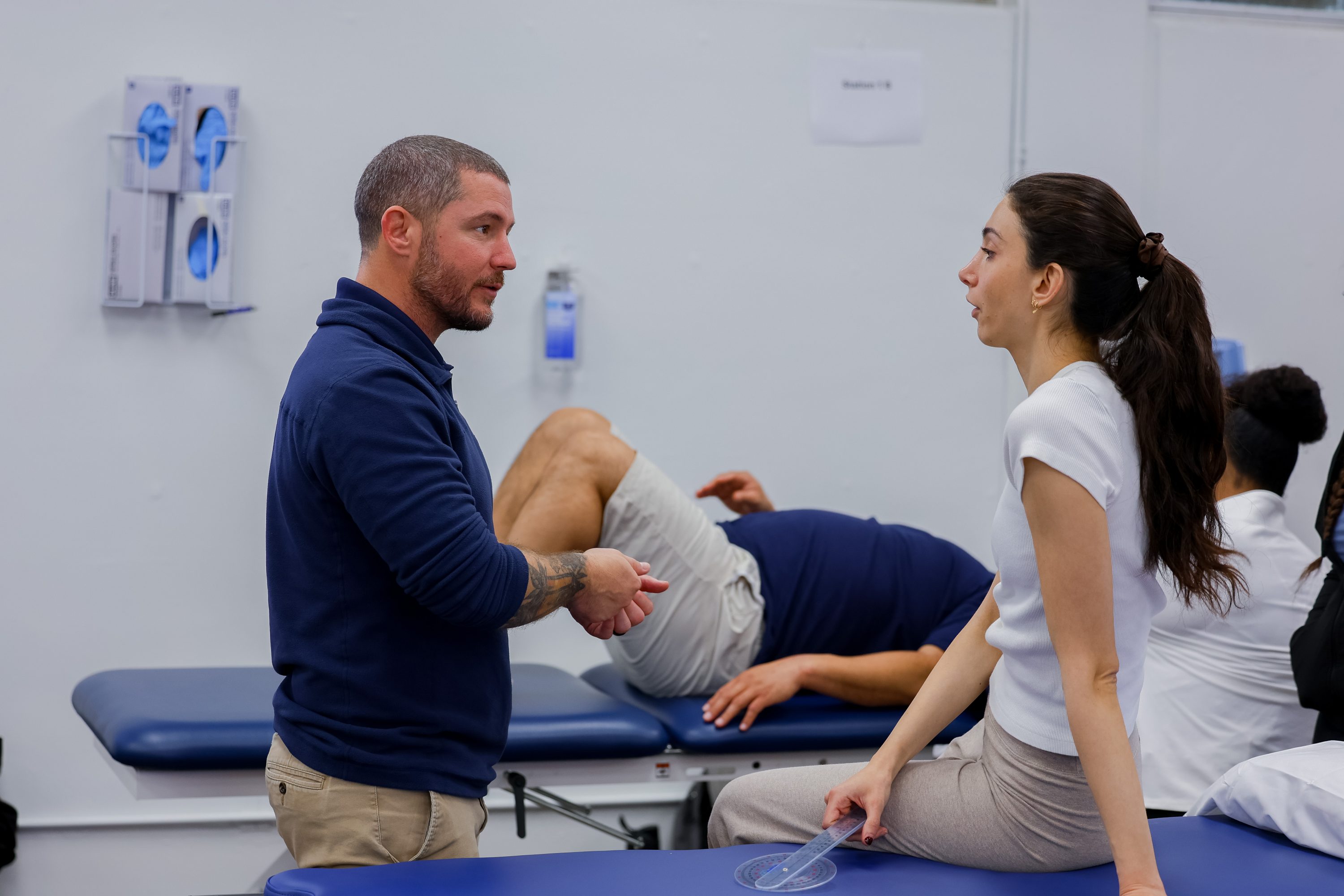
Rather than dividing time between lectures and lab work, students spend their immersive lab experiences actively practicing techniques, refining skills, and engaging directly with faculty and peers.
“Our hybrid vision—rigorous online learning paired with intensive, high-impact labs—works beautifully,” said DPT Program Director, Dr. Craig Ruby.
This structure allows students to arrive prepared, enabling a deeper level of engagement during in-person sessions. Faculty can then focus on guiding students through complex clinical scenarios, reinforcing proper technique, and helping students build confidence through repetition and feedback.
“Our main goals for the immersive lab were to help students transition from theoretical understanding to real-world application, practice and strengthen clinical reasoning skills, and foster cohort camaraderie,” Dr. Ruby explained.
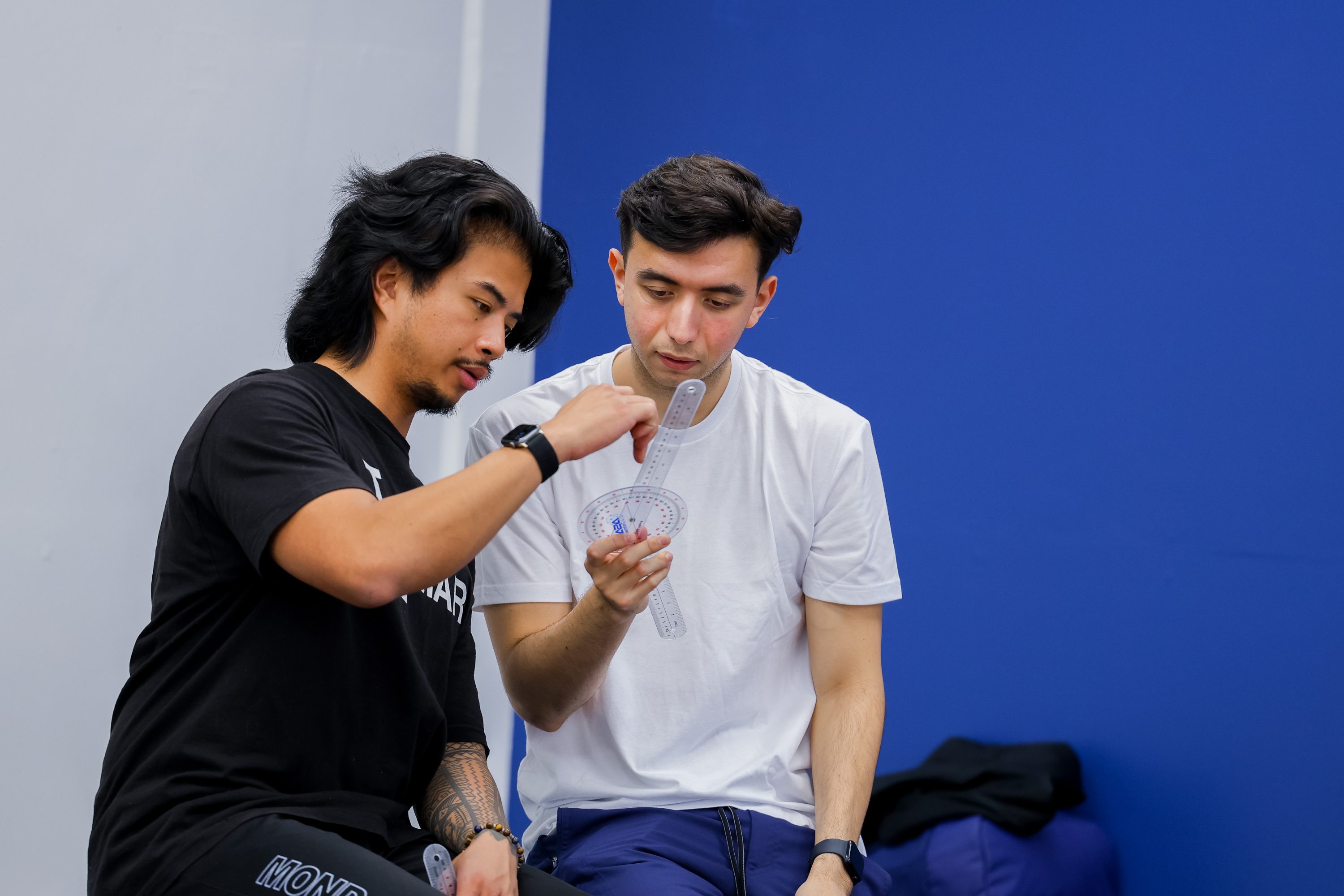
During the immersion, students practiced foundational physical therapy skills, including:
- Soft tissue assessment and intervention
- Goniometry and manual muscle testing
- Outcomes assessment techniques
- Early exposure to cadaver-based anatomical study
The immersive format provides repeated opportunities for students to practice, receive feedback, and refine their techniques in a supportive learning environment.
Preparing Students for Real-World Care
SCU’s immersive model reflects the realities of modern clinical practice, where physical therapists must integrate knowledge, communicate effectively, and adapt to patient needs in real time.
“Real patients don’t arrive in perfectly timed 50-minute online modules,” Dr. Ruby noted.
Through a flipped classroom approach, students first engage with course content through recorded lectures, assignments, and case-based discussions before applying that knowledge during in-person lab sessions. During these immersions, students practice techniques on one another, allowing them to build clinical skills, receive feedback, and refine their approach in a structured learning environment.
“Graduates emerge not just knowledgeable, but nimble, confident, and ready to hit the ground running,” he added.
A Flexible, Accelerated Pathway
SCU’s Doctor of Physical Therapy program is designed to provide both flexibility and efficiency.
While many DPT programs require approximately three years of study, SCU’s program can be completed in just two years thanks to the unique flipped classroom format. During Year 1, students attend lectures remotely and travel to the Whittier campus for several immersive lab sessions throughout the first year. In Year 2, they complete clinical rotations in real-world healthcare settings.
Technology-Enhanced and Hands-On Learning
SCU’s Doctor of Physical Therapy program integrates hands-on instruction with advanced technology to support anatomy and clinical learning.
Students train using cadaver labs alongside tools such as Complete Anatomy (3D4 Medical) and SynDavers to better visualize and understand the human body. Diagnostic imaging technologies—including X-rays, MRIs, and CT scans—introduce real-world clinical tools, while platforms like Draw It to Know It (DITKI) reinforce foundational knowledge.
Together, these approaches support both conceptual understanding and clinical skill development.
A Whole Health Perspective
Finally, SCU’s DPT program reflects the university’s broader commitment to Whole Health, an approach that considers the full range of factors influencing patient well-being.
“Whole Health isn’t a buzzword here—it’s our institutional DNA,” said Dr. Ruby.
Students are trained to consider not only physical conditions, but also lifestyle, mental health, and environmental factors that contribute to overall health.
Looking Ahead
As SCU’s first DPT cohort continues through the program, the immersive lab experience represents an important foundation for their development as future clinicians.
By combining a flipped classroom delivery model with a whole-person perspective, SCU is preparing physical therapists who are equipped to meet the evolving needs of patients and the healthcare system.
Frequently Asked Questions
What is a Doctor of Physical Therapy (DPT) program?
A Doctor of Physical Therapy (DPT) program prepares students to become licensed physical therapists who evaluate, diagnose, and treat movement-related conditions. The curriculum typically includes coursework in anatomy, biomechanics, and clinical practice, along with hands-on training and clinical rotations.
What is a flipped classroom model in physical therapy education?
A flipped classroom model is an approach in which students learn foundational concepts—such as lectures and readings—outside of the classroom, often through online coursework. In-person sessions are then used for hands-on practice, clinical skill development, and interactive learning.
In physical therapy education, this model allows students to spend more time applying techniques, developing clinical reasoning, and receiving feedback from faculty.
How does SCU’s DPT program structure support hands-on learning?
SCU’s DPT program combines online coursework with in-person immersive lab experiences. Students complete foundational learning remotely and then come to campus for intensive lab sessions focused on applying skills, practicing techniques, and working directly with faculty.
This structure allows for concentrated, high-frequency hands-on learning that supports skill development and clinical confidence.
How long does SCU’s Doctor of Physical Therapy program take to complete?
SCU’s DPT program is designed to be completed in approximately two years. The program uses a hybrid format that blends online instruction with in-person immersive lab experiences, followed by clinical rotations in real-world healthcare settings.
What is the Whole Health approach in physical therapy?
The Whole Health approach focuses on treating the whole person rather than just a specific condition or injury. This includes considering factors such as lifestyle, mental and emotional health, environment, and overall well-being.
In SCU’s DPT program, this approach is integrated into the curriculum to help future physical therapists deliver more comprehensive, patient-centered care.
Related Posts