Becoming a Chiropractor After High School: How Long Does it Really Take?

So, how long does it take to become a chiropractor after high school? On average, about 7 to 8 years. This includes your undergraduate studies and a Doctor of Chiropractic (DC) program. It might sound like a big commitment, but it’s all about building the skills to make a real impact in healthcare.
Chiropractors are key players in holistic healthcare, helping people move better and feel better without invasive procedures. The time you spend learning is a solid investment in a career that’s as rewarding as it is meaningful. If you’re passionate about helping others and love the idea of hands-on care, this journey is well worth it.
What Do Chiropractors Really Do? A Closer Look
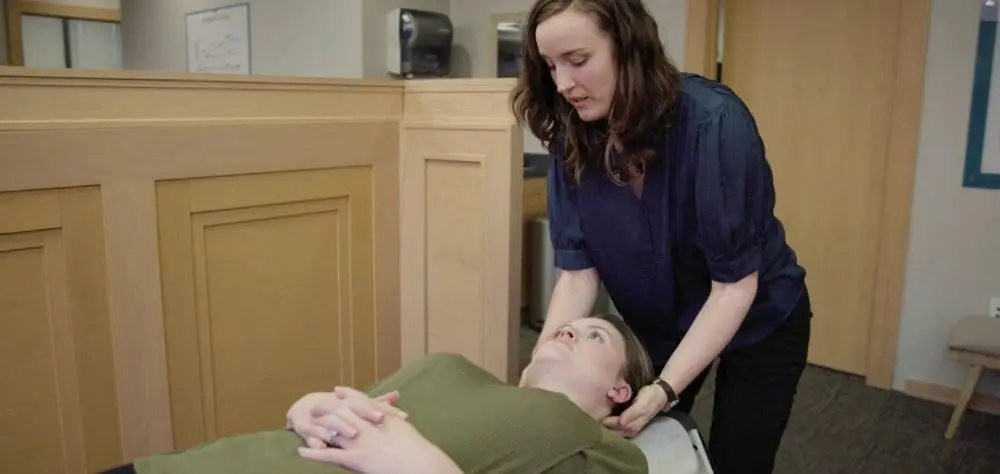
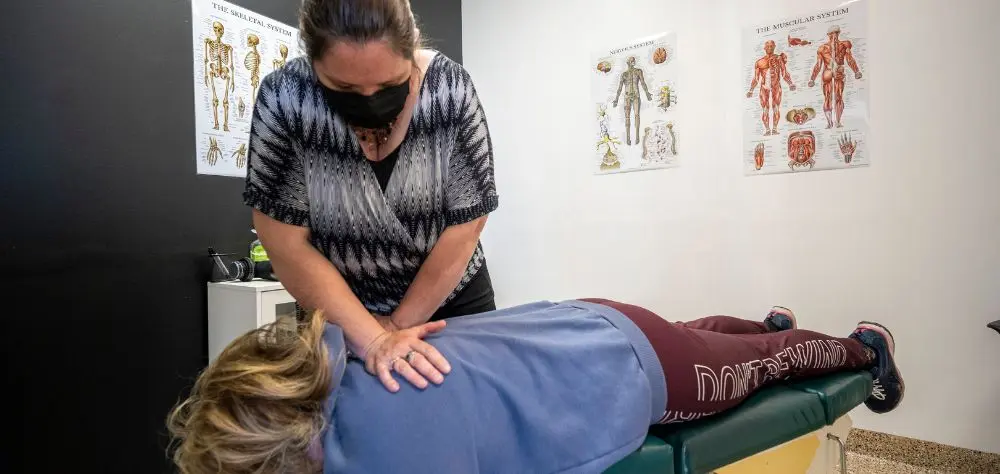
Chiropractors are much more than just spine specialists—they’re important players in holistic healthcare. From diagnosing musculoskeletal conditions to crafting personalized treatment plans, their focus is always on helping patients feel their best through non-invasive, whole-person care.
What Chiropractors Do
Diagnosing and Treating Musculoskeletal Conditions
Chiropractors assess patients to identify problems in the spine, joints, and muscles. This involves:
- Physical Exams: Observing posture, range of motion, and reflexes.
- Diagnostic Tools: Using imaging and tests to uncover the root causes of pain or dysfunction.
Developing Personalized Treatment Plans
Every patient is unique, and chiropractors design care plans to fit individual needs. These plans may include:
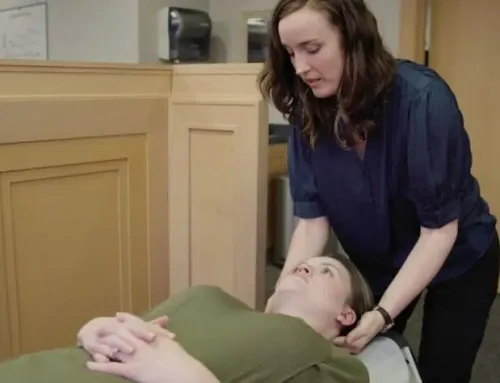
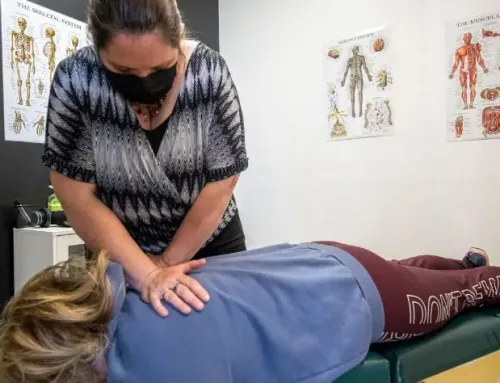
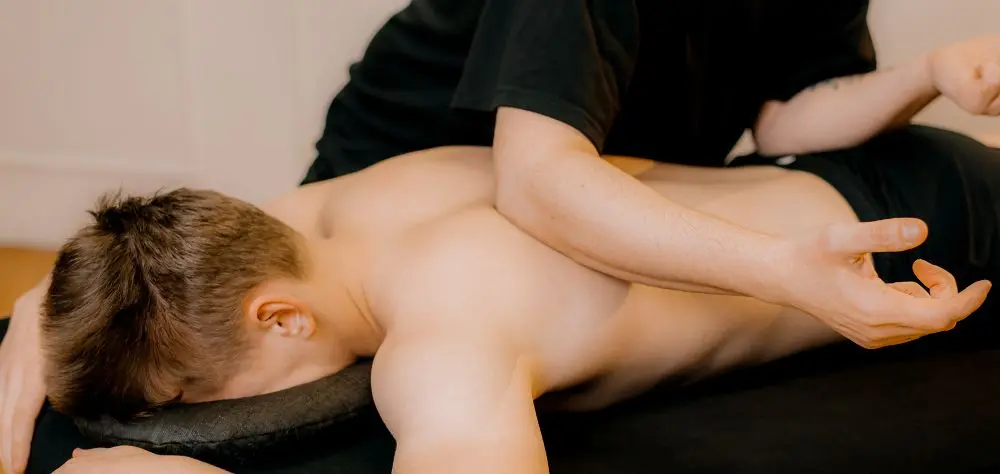
- Spinal and Full Body Adjustments: Restoring alignment and reducing nerve interference.
- Therapeutic Exercises: Building strength and improving mobility.
- Lifestyle Guidance: Offering tips on posture, nutrition, and stress management.
Why Non-Invasive, Whole-Person Care Matters
Chiropractic care isn’t just about treating symptoms—it’s about addressing the whole person. By avoiding surgery or medication, chiropractors help patients heal naturally, enhancing their overall wellness and quality of life.
Growing Demand for Chiropractors
The demand for chiropractors is projected to grow by 10% from 2023 to 2033 according to the U.S. Bureau of Labor Statistics, outpacing the average for all occupations. It’s a clear sign that chiropractic care is here to stay.
Here’s How to Start Your Chiropractic Journey Right After Graduation
The journey to becoming a chiropractor starts with the right educational pathway. After high school, this involves completing foundational undergraduate coursework and advancing into a Doctor of Chiropractic (DC) program. Here’s how to structure your steps for success.
Step 1: Undergraduate Education
The first step is completing a bachelor’s degree or prerequisites—usually about 3 to 4 years. Here’s what you’ll focus on:
- Biology and Chemistry: These are the foundations of understanding how the body works.
- Anatomy and Physiology: Essential for mastering the structure and function of the human body.
- Physics and Biomechanics: Key for understanding movement mechanics and how to improve it.
Choosing the Right Major
A pre-chiropractic or related field like kinesiology, health sciences, or biology is a great choice. These majors align perfectly with chiropractic school requirements and help set you up for success.
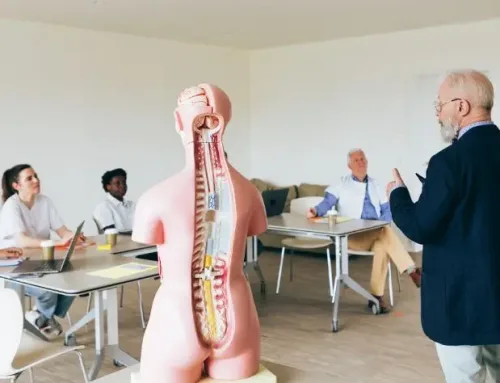
Step 2: Doctor of Chiropractic (DC) Program
Next, you’ll enter a DC program—3 to 4 years of advanced education and hands-on training. You’ll dive deep into:
- Spinal and Full Body adjustments and chiropractic techniques.
- Clinical anatomy, biomechanics, and patient care.
- Diagnostic imaging and therapeutic methods.
Real-World Experience
This is where things get exciting—you’ll work with real patients under expert supervision, learning the skills you’ll use every day as a chiropractor.
With these steps, you’ll be on track for a rewarding career in chiropractic care. The path is straightforward, and the payoff—helping people live pain-free—is absolutely worth it!
A Faster Track to Your Chiropractic Career
At SCU, you don’t need a bachelor’s degree to start your chiropractic journey. With 90 or more undergraduate credits, you can jump straight into our Doctor of Chiropractic program.It’s a faster way to get into the program and start working toward your dream job!
From Start to Success: SCU’s Chiropractic Program
At SCU, we’ve been shaping the future of chiropractic care for over 110 years. Starting as one of the first chiropractic colleges in the nation, we’ve stayed ahead of the curve with innovative training and a commitment to student success. If you’re ready to become a chiropractor, we’re here to make the journey smoother, faster, and more rewarding.
What Sets Us Apart?
No Bachelor’s Degree? No Problem!
Here’s some great news: You don’t need a bachelor’s degree to get started. If you have 90 or more undergraduate credits, you can jump right into our Doctor of Chiropractic (DC) program. That means you can save time and start focusing on your chiropractic career sooner.
Plus, we offer pathways to help you complete your bachelor’s degree while pursuing your chiropractic education. Since a bachelor’s degree is required to practice in most states, SCU ensures you’re fully prepared for licensure and a successful career.
An Evidence-Based, Modern Curriculum
Our program is all about blending cutting-edge science with hands-on care. You’ll learn the latest techniques, backed by research and clinical trials, to deliver top-notch, patient-centered care. Plus, you’ll be ready to collaborate with other healthcare professionals from day one.
Real-World Experience You Can Brag About
From the start, you’ll be working directly with patients, building the skills and confidence to hit the ground running after graduation:
- SCU Health Clinics: Treat real patients from diverse backgrounds in clinics that serve over 40,000 individuals annually.
- Partner Locations: Train in private practices, VA hospitals, and even with sports teams at top athletic programs.
- Specialized Experience: Explore areas like pediatrics, integrative medicine, and sports medicine to add standout skills to your résumé.
Prepare for Success, Every Step of the Way
SCU is all about preparing you for what’s next:
- Business Skill Building: Learn to launch and manage your own practice with courses in billing, risk mitigation, and marketing.
- Scholarships and Financial Aid: Access fixed-rate tuition and a range of scholarships to support your education.
- Board Exam Preparation: Our faculty ensures you’re fully equipped to ace licensure exams and step confidently into practice.
- Scholarships and Fixed Tuition: We make education affordable with financial aid options and no surprises in tuition costs.
At SCU, we don’t just teach chiropractic care—we help you build a career that’s fulfilling, impactful, and uniquely yours. If you’re ready to fast-track your future with a program designed to help you succeed.
What Comes After Your Chiropractic Degree?
Graduating with your Doctor of Chiropractic degree is an exciting milestone, but it’s just the beginning. From launching a private practice to specializing in a specific area, there are countless ways to shape your career and stay on top of your field.
Post-Graduation Options
Private Practice or Established Clinics
One of the first decisions new chiropractors face is where to practice. Many choose to:
- Start a Private Practice: Offering flexibility, independence, and the ability to create a personalized care environment.
- Join an Established Clinic: A great way to gain experience and build a patient base without the pressure of managing a business.
Exploring Specializations
Chiropractic offers a variety of specialties, allowing you to focus on your passion. Popular options include:
- Sports Medicine: Working with athletes to optimize performance and recovery.
- Pediatrics: Supporting children’s growth and development.
- Functional Medicine: Addressing root causes of chronic conditions through a holistic approach.
Continuing Education
Lifelong Learning Matters
Staying ahead in chiropractic requires a commitment to ongoing education. Continuing education courses are essential for:
- Keeping up with advancements in techniques and technology.
- Maintaining licensure and staying compliant with state regulations.
This investment ensures you continue delivering the best care to your patients.
Join SCU and Shape the Future of Holistic Healthcare
How long does it take to become a chiropractor after high school? At SCU, the journey is streamlined with our flexible admissions options, evidence-based curriculum, and hands-on clinical training. In as little as 78 years from high school, including undergraduate coursework and our Doctor of Chiropractic program, you can be ready to transform lives through holistic care.
SCU is dedicated to making this journey achievable and rewarding with advanced learning tools, personalized mentorship, and opportunities to specialize in areas like sports medicine. Take the first step toward a fulfilling chiropractic career today by exploring our admissions requirements and applying to join a legacy of excellence in healthcare.
FAQs
How long does it take to become a chiropractor after high school?
It typically takes about 7 to 8 years, including 3 to 4 years of undergraduate education and 3 to 4 years in a Doctor of Chiropractic (DC) program. This timeline ensures you’re fully prepared for a rewarding career in chiropractic care.
How do I know if chiropractic is the right career for me?
If you’re passionate about helping people, love hands-on work, and are interested in health and wellness, chiropractic could be your perfect fit. Plus, it’s a career where you’ll see the impact of your work every day.
What’s the best major for someone planning to go into chiropractic?
Majors like biology, kinesiology, or health sciences are great fits since they cover the foundational science courses you’ll need. But don’t stress—many programs will help guide you on the prerequisites.
Can I start chiropractic school without finishing a bachelor’s degree?
Yes! While many schools require a bachelor’s degree, at SCU, you can start your chiropractic education with just 90 or more undergraduate credits. We also offer programs to help you complete your bachelor’s degree, ensuring you meet the requirements to practice in most states while progressing toward your chiropractic career.
Is chiropractic school all books and lectures, or is it hands-on?
It’s a mix, but the hands-on part is crucial. You’ll work with real patients during clinical training, perfecting techniques like spinal adjustments and learning to apply everything you’ve studied in real-world settings.
Related Posts