Choosing a Chiropractic Program in California: What You Need to Know

Are you looking for chiropractic classes nearby and unsure how to choose the best option? Chiropractic care is an exciting and rewarding career path, offering the opportunity to help people heal naturally while promoting overall wellness. To succeed, though, you need a strong educational foundation built on hands-on training and evidence-based practices.
At SCU, we’ve been a leader in chiropractic education for decades, setting the standard for innovation and excellence in California. Our unique blend of advanced learning tools, early clinical exposure, and customizable electives makes us a standout choice. Whether you’re passionate about holistic healthcare or exploring specializations like sports medicine, SCU offers the resources and support to launch a thriving chiropractic career.
The Top 5 Things to Look for in a Chiropractic Program
Choosing a chiropractic program is a major decision that can shape your career. With so many options, it’s essential to evaluate each program based on critical factors like accreditation, faculty expertise, and clinical opportunities. Here’s what you should look for to make the best choice.
1. Accreditation and Standards
Accreditation isn’t just a checkbox; it’s your guarantee that the program meets rigorous educational standards.
- Attending an accredited school ensures your eligibility for licensure after graduation.
- To verify accreditation, look for schools approved by bodies like the Council on Chiropractic Education (CCE).
2. Faculty Expertise
Who you learn from matters.
- Seek programs where instructors are practicing professionals with real-world experience.
- Faculty who stay current with the latest techniques and research bring invaluable insights into your education.
3. Technology and Resources
The tools you train with can elevate your learning experience.
- Force-Sensing Tables: Refine your adjustment techniques with precision feedback.
- Diagnostic Imaging: Learn to interpret X-rays, MRIs, and CT scans.
- Virtual Anatomy Suites: Gain an in-depth understanding of human anatomy through interactive simulations.
4. Clinical Opportunities
Practical experience is at the heart of chiropractic education. Ensure the program offers diverse clinical rotations in both on-campus clinics and external partner sites.
5. Location Advantages
Where you study can impact your experience. California, with its diverse population and wellness-focused culture, provides unique opportunities for chiropractic students. The demand for holistic healthcare here offers valuable hands-on experience and a robust network of future career opportunities.
Choosing the right chiropractic program isn’t just about getting a degree—it’s about building a strong foundation for a fulfilling career. Take the time to evaluate these factors carefully to ensure the program aligns with your goals and aspirations.
Why the Right Chiropractic Classes Can Define Your Career
When it comes to chiropractic education, not all programs are created equal. The quality of your classes can directly influence your career readiness, patient outcomes, and ability to thrive in a competitive field. Choosing the right chiropractic program is the foundation of your future success.
Career Readiness Starts in the Classroom
The skills and knowledge you develop during your education will determine how prepared you are to face real-world challenges. Comprehensive, evidence-based programs focus on:
- Mastering anatomy, biomechanics, and diagnostic techniques.
- Gaining hands-on experience through clinical rotations and advanced learning tools.
- Learning how to treat patients holistically while addressing the root causes of pain.
Without a solid foundation, standing out as a skilled and confident chiropractor becomes much harder.
Standing Out in a Competitive Field
The chiropractic field is growing, but so is the competition. Advanced training and specialized knowledge can set you apart. Programs that integrate cutting-edge technology, interprofessional collaboration, and opportunities for specialization (like sports medicine or pediatrics) give you an edge in building your career.
The right chiropractic classes don’t just prepare you for the basics—they prepare you to excel. By choosing a program with exceptional training and resources, you’ll be equipped to deliver the best care and make a lasting impact in your community.
From Sports to Pediatrics: Choosing Your Chiropractic Path
Why Specialize?
The healthcare landscape is evolving, and patients increasingly seek chiropractors with specialized knowledge. Whether it’s helping athletes recover from injuries or providing holistic care for chronic conditions, specialized chiropractors have an edge in offering targeted solutions.
Popular Specialization Areas
Sports Medicine: Work with athletes to enhance performance, prevent injuries, and speed up recovery. This field is dynamic, with opportunities to engage in diverse athletic settings.
Pediatrics: Provide tailored care for children, addressing developmental issues and ensuring proper musculoskeletal health during growth.
Eastern Medicine: Combine chiropractic techniques with traditional therapies like acupuncture for a truly integrative approach to wellness.
Chiropractic Neurology: Focus on treating complex neurological conditions using non-invasive, natural techniques. This specialization combines a deep understanding of the nervous system with chiropractic care to support optimal brain and body function.
Customization in Programs
The right chiropractic program should offer opportunities to explore your interests through electives and tailored coursework. At SCU, we provide an exceptional Sports Medicine Emphasis. You’ll gain hands-on experience at our Human Performance Optimization Center, training under faculty with real-world expertise and working in diverse athletic settings like marathons, high school sports, and international competitions.
Specializing during your chiropractic education not only deepens your expertise but also expands your career opportunities. Whether you’re drawn to athletes, children, or holistic care, there’s a path that aligns with your passion—and at SCU, we’re here to help you find it.
SCU: The Smart, Flexible, Innovative Choice for Aspiring Chiropractors in California
At SCU, we’re your partner in building a thriving, impactful career. With over a century of leadership in chiropractic education, we’ve crafted a program that blends cutting-edge technology, hands-on clinical experience, and a whole-person approach to healthcare.
Our Doctor of Chiropractic program offers flexibility and innovation. You can begin with just 90 undergraduate credits—no bachelor’s degree required—and dive into a curriculum designed to equip you for success. From mastering spinal adjustments to exploring business strategies for private practice, we focus on real-world skills that make you stand out.
A Program Tailored to You
We understand that every student’s career goals are unique, which is why we offer degree customization opportunities, including:
- Sports Medicine Emphasis: Train with experts in sports healthcare and work with athletes in diverse settings like triathlons and Division I athletic programs.
- Dual-Degree Pathways: Earn a Doctor of Chiropractic and a Doctor of Acupuncture and Chinese Herbal Medicine in as little as five years, saving time and money while expanding your career opportunities.
Unparalleled Hands-On Training
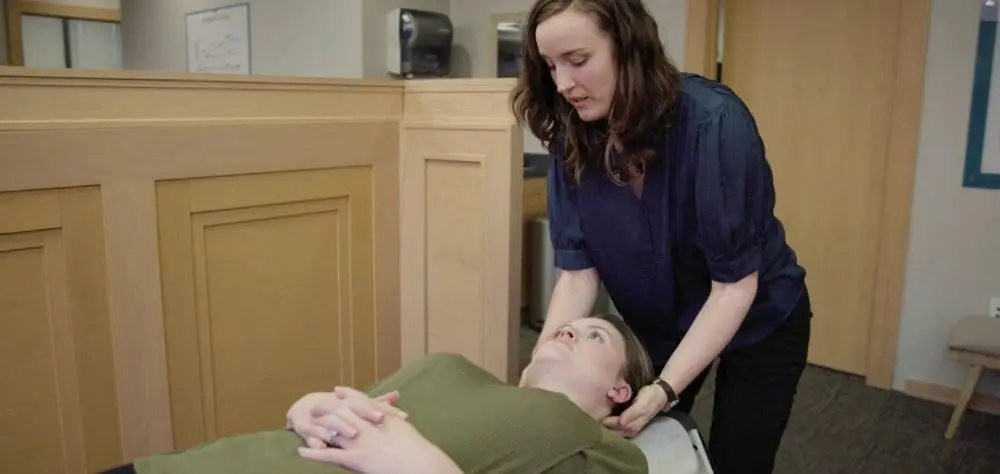
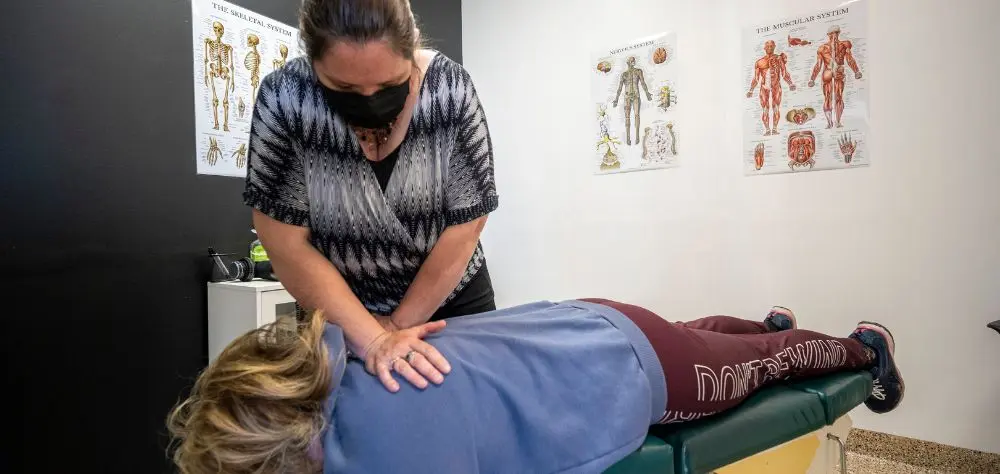
Our program emphasizes hands-on learning at every stage. You’ll practice adjustments and therapies on:
- Real patients during rotations in SCU Health Clinics and over 500 partner locations.
- Advanced tools like Force Sensing Tables for precision feedback.
- Lifelike models like SynDavers, which replicate living human tissues for realistic practice.
You’ll also work in state-of-the-art labs and engage in diagnostic imaging technologies to develop a comprehensive skill set.
What Sets SCU Apart
SCU isn’t just about technical skills—we’re preparing you to lead in healthcare. Our interprofessional, integrative approach ensures you’ll learn alongside future leaders in complementary fields, gaining the ability to collaborate across disciplines. With a fixed tuition guarantee, scholarships, and federal financial aid options, we’re also committed to making your education accessible and stress-free.
Start Your Chiropractic Future Today!
When searching for “chiropractor classes near me”, it’s essential to find a program that not only meets your expectations but also sets you up for long-term success. At SCU, we blend evidence-based learning with hands-on training and cutting-edge resources, ensuring you’re prepared to excel in the chiropractic field. From personalized instruction to diverse clinical experiences, we’re dedicated to shaping confident, skilled practitioners.
Our program stands out with its interprofessional approach, advanced technology, and customizable electives, giving you the tools to thrive in any chiropractic specialization. Take the next step toward a fulfilling career. Explore our admissions requirements today and see how SCU can help you achieve your dreams. Ready? Apply now!
FAQs
What are the career prospects for chiropractors?
Chiropractors enjoy strong job growth and earning potential, particularly in areas like sports medicine and integrative health. A chiropractic career offers both personal fulfillment and financial stability.
Do chiropractic programs include clinical rotations?
Yes, most programs incorporate clinical rotations where you work with real patients under supervision. These experiences are critical for building practical skills, confidence, and understanding diverse patient needs.
What careers can I pursue after completing chiropractor classes near me?
Graduates can work in private practice, sports medicine, integrative health centers, or specialize in pediatrics or functional medicine. Chiropractic careers are versatile and rewarding, with growing demand for holistic healthcare professionals.
Can I specialize while taking chiropractic classes?
Yes! Many programs offer specializations in areas like sports medicine, pediatrics, or chiropractic neurology. Choosing a focus allows you to align your education with your career goals and stand out in the field.
Is accreditation important for chiropractic programs?
Absolutely! Accreditation ensures the program meets industry standards and qualifies you for licensure after graduation. Always verify that your chosen school is accredited by recognized bodies like the Council on Chiropractic Education.
Related Posts