SCU Faculty Spotlight: Dr. Tori Reccord Earns CCSP Certification, Expands Sports Medicine Expertise

Faculty at Southern California University of Health Sciences (SCU) continue to advance their expertise to better support student learning and patient care.
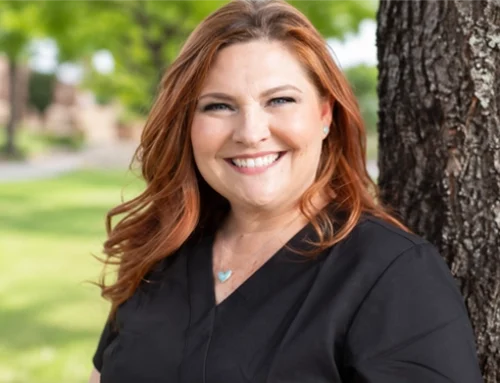
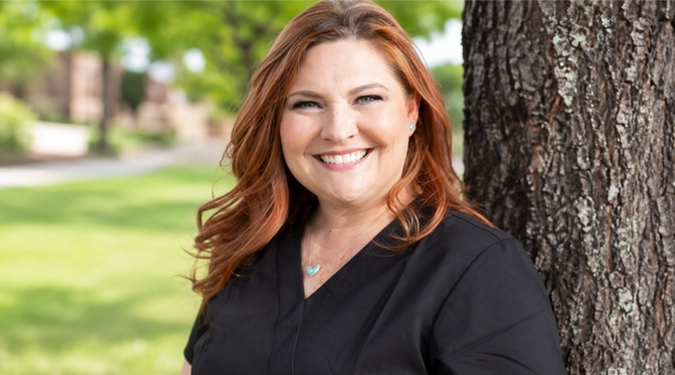
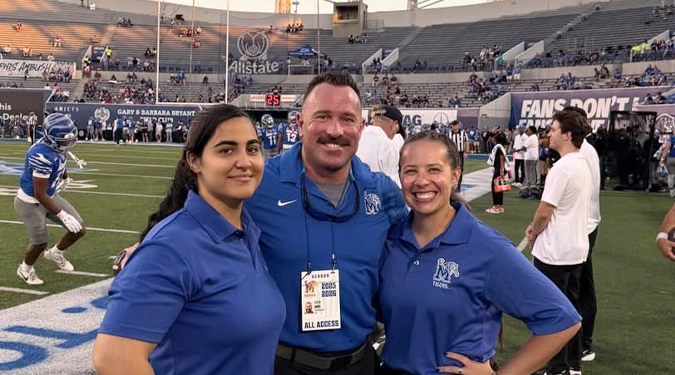
Dr. Tori Reccord, a faculty member in SCU’s Doctor of Chiropractic program, recently earned the Certified Chiropractic Sports Physician (CCSP) credential—an advanced certification that recognizes specialized training in sports medicine, injury management, and performance optimization.
Her achievement reflects both a personal commitment to the field and SCU’s broader focus on preparing students for diverse, real-world clinical pathways.
In this Q&A, Dr. Reccord shares what inspired her journey, how sports medicine enhances chiropractic care, and why this specialty matters for the next generation of providers.
Q&A with Dr. Tori Reccord
What inspired you to pursue the Certified Chiropractic Sports Physician (CCSP) credential?
Dr. Reccord:
From being an athlete, to a coach, and now a healthcare provider, I’ve been involved in sports and athletics for most of my life. So many sports medicine doctors helped me continue my own athletic endeavors, and that had a lasting impact on me.
Whether it’s someone who wants to take long walks with their grandkids without pain or a competitive athlete trying to reach their full potential, I’ve always wanted to provide that same level of care to others.
For those who may not be familiar, what is the CCSP certification and what does it take to earn it?
Dr. Reccord:
The CCSP® certification is awarded by the American Chiropractic Board of Sports Physicians (ACBSP™) and recognizes a chiropractor’s expertise in sports medicine.
After completing 100 hours of specialized postgraduate coursework, candidates are eligible to sit for a comprehensive written examination. The exam covers topics such as sports injury prevention and management, as well as performance optimization.
How does sports medicine complement chiropractic care, particularly for athletes and active individuals?
Dr. Reccord:
One of the main pillars of chiropractic care is promoting the health and well-being of our patients. Specializing in sports medicine provides deeper insight into diagnosing and treating musculoskeletal injuries that we commonly see in practice.
It also equips providers with the knowledge to enhance exercise and activity levels, which are essential components of overall health.
How will this certification influence your work with students in SCU’s Doctor of Chiropractic program?
Dr. Reccord:
Our role as faculty members may be to teach, but we never stop learning—not only for ourselves, but for our students.
Completing this certification has strengthened my knowledge and skill set so I can provide the best care possible and pass that on to the next generation of healthcare providers. No matter what we achieve, it’s most meaningful when we use it to lift up those around us, and I strive to bring that mindset into the classroom each day.
Why is sports medicine an important area of specialization for future chiropractors?
Dr. Reccord:
People often think sports medicine is only for professional athletes or organized sports teams. But in reality, less than 1% of high school athletes go on to play professionally.
The truth is, all bodies move. People of all ages and activity levels engage in “athletic” movements every day. That means chiropractors have an important role in providing specialized care not just for athletes, but for the broader community.
What advice would you give students interested in pursuing a career in sports medicine?
Dr. Reccord:
We are very fortunate at SCU to have strong resources in sports medicine. I’ve been lucky to work alongside incredible colleagues who have served as mentors throughout my journey.
I encourage students to connect with faculty—or chiropractors in their community—who hold the certifications they’re interested in pursuing. These conversations can provide guidance and help shape their path.
SCU also offers a sports medicine clinic on campus. Even if students are not yet clinical interns, I recommend visiting as a patient. It’s a great opportunity to meet others with similar goals, interact with experienced doctors, and see firsthand what this specialty has to offer.
Is there anything else you’d like to share?
Dr. Reccord:
The first step in any journey is to ask questions, and we’re always here to help.
For those interested in learning more, additional information about the CCSP® and DACBSP® certifications can be found at acbsp.com.
Related Posts