Best Integrative Medicine Programs in the U.S. for 2025
The best integrative medicine programs in the U.S. bring together clinical training, whole-person care, and evidence-based practice in ways that reflect where healthcare is going. These programs focus on treating individuals as complex, interconnected systems, blending biomedical science with nutrition, lifestyle, and mind-body approaches.
As demand grows for providers who can think across disciplines and lead within evolving healthcare models, more professionals are turning to integrative medicine for its depth, flexibility, and clinical relevance. Whether you’re in the early stages of your career or looking to expand your scope, understanding what defines strong integrative programs can help you choose a path aligned with your values and long-term goals.
Understanding Integrative Medicine: A Growing Force in Healthcare
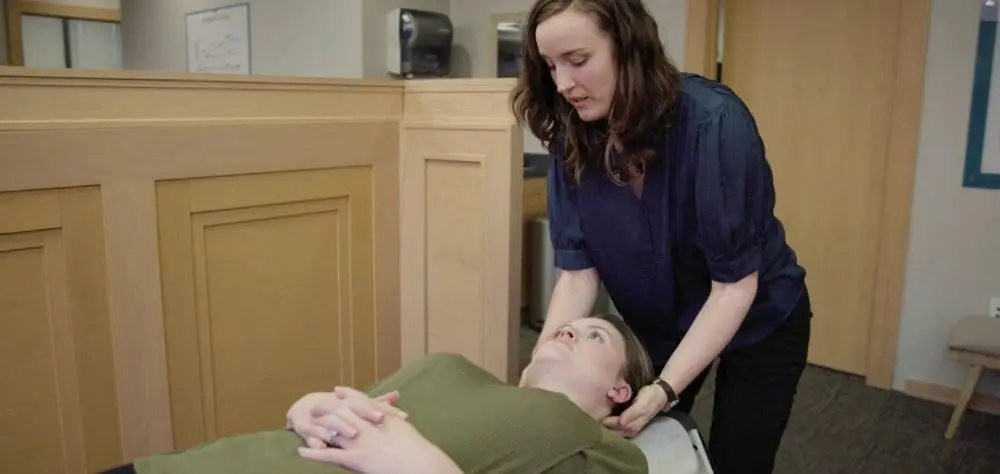
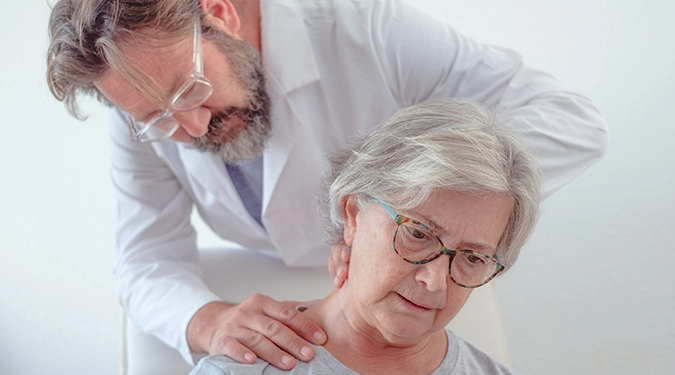
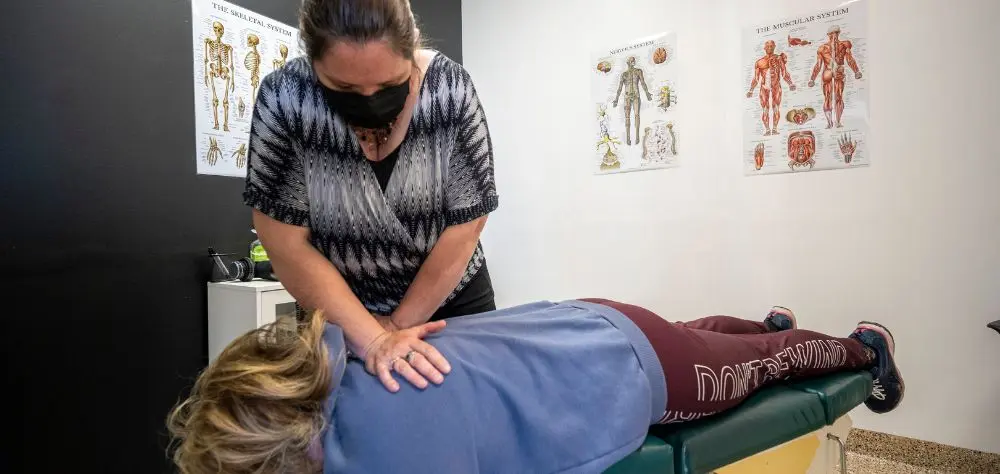
Integrative medicine brings together the strengths of conventional medicine with evidence-informed holistic approaches. It includes nutrition, acupuncture, mind-body techniques, lifestyle medicine, chiropractic, and other therapies that support the body’s natural capacity to heal. The goal is to prevent illness, promote wellness, and empower patients to take an active role in their care.
This model of care focuses on the whole person, considering physical, emotional, mental, and social health as interconnected. It’s deeply rooted in clinical science while also drawing from global traditions and modern innovations. As a result, integrative medicine is expanding rapidly across hospitals, academic centers, and private practice.
A New Kind of Healthcare Professional
To meet this shift, universities and training centers across the country are creating integrative medicine programs designed to help you think bigger, treat more deeply, and create meaningful change in the way health is understood and delivered.
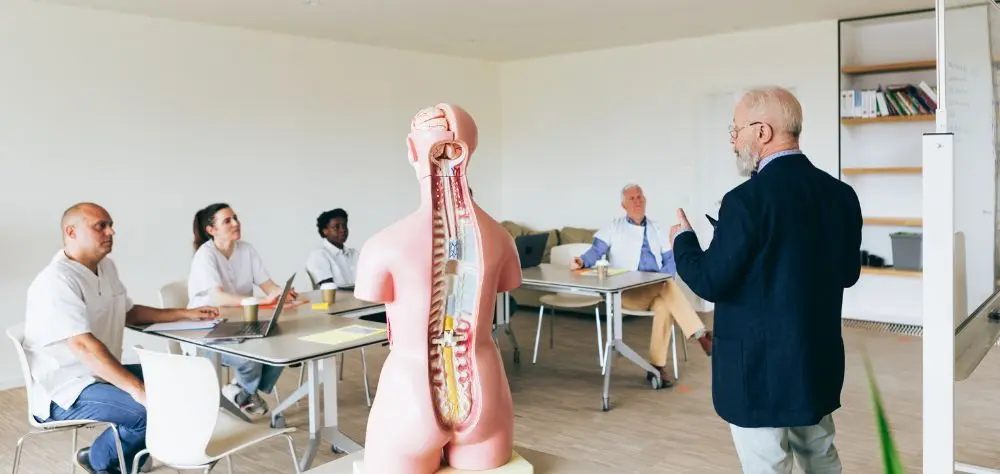
Students in these programs learn to blend clinical science with whole-person care strategies, gaining the tools to serve a wide range of patients with insight and flexibility. Whether the goal is to lead a wellness center, shape public health programs, or offer more personalized care in clinical settings, integrative training opens up real possibilities.
Understanding Integrative Medicine: A Growing Force in Healthcare
Integrative medicine brings together the strengths of conventional medicine with evidence-informed holistic approaches—including nutrition, acupuncture, mind-body techniques, lifestyle medicine, chiropractic, and other therapies that support the body’s natural capacity to heal. The goal is to prevent illness, promote wellness, and empower patients to take an active role in their own care.
This model focuses on the whole person, considering physical, emotional, mental, and social health as interconnected. It’s deeply rooted in clinical science while also drawing from global traditions and modern innovations. As a result, integrative medicine is expanding rapidly across hospitals, academic centers, and private practice. At least 25 major U.S. medical schools now offer integrative medicine programs alongside their allopathic curricula—a clear signal that this field has moved well past the margins.
A New Kind of Healthcare Professional
To meet this shift, universities and training centers across the country are building integrative medicine programs designed to help professionals think more broadly, treat more deeply, and create meaningful change in how health is understood and delivered.
Students in these programs learn to blend clinical science with whole-person care strategies, gaining the tools to serve a wide range of patients with insight and flexibility. Whether the goal is to lead a wellness center, shape public health programs, or deliver more personalized care in clinical settings, integrative training opens up real possibilities.
Top 5 Integrative Medicine Programs in the U.S.
1. Southern California University of Health Sciences (SCU) – Best for Integrative Doctoral Education & Whole Health Leadership
At Southern California University of Health Sciences (SCU), we believe the future of healthcare belongs to professionals who understand the full spectrum of healing: biomedical science, holistic practices, and the human experience at its core. With over 111 years of innovation in health sciences education—and WSCUC accreditation for more than two decades—our integrative doctoral programs are structurally built around Whole Health principles to empower clinicians, change-makers, and system-level thinkers with the tools they need to lead with purpose and skill.
Our curriculum emphasizes whole-person care, interprofessional collaboration, and real-world application across disciplines. SCU is California’s only comprehensive health sciences university integrating chiropractic, acupuncture, physician assistant, occupational therapy, and clinical psychology programs under one roof—which means our students learn alongside peers across the integrative health spectrum.
We offer a range of integrative health doctorate programs, including:
Doctor of Whole Health Leadership (DrWHL) Developed in partnership with Dr. Tracy Gaudet and Cornerstone Collaboration for Societal Change, the architects of the VA’s Whole Health model, this first-of-its-kind doctoral program prepares healthcare professionals to lead transformative change at the systems level.
The seven-term, low-residency hybrid format blends leadership, systems thinking, and whole health models with deep personal exploration and development. It’s designed for working professionals from across the healthcare spectrum, with just four weekend intensives supplementing an online-first curriculum. Both U.S. and international tracks are available.
Doctor of Acupuncture and Chinese Herbal Medicine ACAHM-accredited and one of the first entry-level doctorates of its kind, this program integrates traditional East Asian medicine with Western biomedical foundations. Multiple entry points and flexible formats—including part-time blended learning—support students at various stages of their academic and clinical journey. Students begin clinical rotations early at SCU Health Clinics and later move into community partner sites, including Children’s Hospital of Orange County (CHOC). Master’s students can add the doctorate with just 16 additional credit hours.
Doctor of Chiropractic Rooted in a legacy that dates back to 1911 when SCU opened as the Los Angeles College of Chiropractic, this program blends a century of experience with a future-forward approach. The full-time, hybrid structure includes hands-on clinical training and options to specialize in areas like Sports Medicine. Bachelor’s completion is built into the program for those entering with undergraduate credits, and business coursework prepares graduates to succeed professionally from day one.
Our programs are designed to meet you where you are—professionally, academically, and personally—and help you move forward with clarity and deep clinical insight. Explore all our degrees here.
2. University of Arizona – Andrew Weil Center for Integrative Medicine
Known internationally for its contributions to integrative health, the Andrew Weil Center offers a Fellowship in Integrative Medicine widely respected for its clinical depth and focus on lifestyle medicine. While not degree-granting, the fellowship is popular among physicians, nurses, and advanced practitioners looking to incorporate integrative approaches into existing clinical practice. Topics include mind-body integration, nutrition, and health behavior change. The Center has trained over 2,000 clinicians and played a major role in establishing integrative medicine as a recognized field within academic medicine.
3. Georgetown University – M.S. in Integrative Medicine & Health Sciences
Georgetown’s program—originally launched in 2003 as one of the first science-based CAM master’s programs at a U.S. medical center—has evolved into the M.S. in Integrative Medicine & Health Sciences. The 11-month, on-campus curriculum emphasizes rigorous scientific thinking applied to complementary modalities including botanical medicine, nutrition, mind-body medicine, and pharmacological mechanisms. An eight-week summer practicum places students in CAM-related roles at academic institutions, federal agencies, and other organizations. Georgetown’s Washington, D.C. campus also puts students in proximity to the NIH, FDA, and other health policy agencies—a distinctive advantage for those interested in research, regulatory affairs, or policy careers. The program also offers a 5-year MD/MS track for Georgetown medical students.
4. Bastyr University – Kenmore, WA
Bastyr remains one of the most well-established names in natural medicine education. With degrees in naturopathy (ND), acupuncture, nutrition, and integrative wellness, the university is known for its hands-on clinical training and its emphasis on plant-based therapies, mind-body healing, and holistic diagnosis. Bastyr’s on-campus teaching clinic gives students extensive patient contact, and the school’s naturopathic program is one of the largest and most recognized in North America. It’s a strong choice for students who want deep immersion in natural medicine practice.
5. Maryland University of Integrative Health (MUIH)
MUIH offers a wide array of master’s and doctoral programs in fields like health coaching, herbal medicine, nutrition, and acupuncture. With a strong focus on cultural sensitivity and whole-person healing, the university’s programs are delivered in flexible formats, including online and hybrid models. MUIH is also home to an annual research symposium highlighting student and faculty scholarship in complementary and integrative health—underscoring the institution’s commitment to advancing the evidence base alongside practice.
What Makes a Great Integrative Medicine Program?
Integrative medicine is a philosophy of care that takes into account the full complexity of human health. Choosing the right program is a significant decision, and the strongest options cultivate a mindset rooted in systems thinking, patient-centered care, and practical application.
Look for programs that offer interdisciplinary education integrating Eastern and Western approaches, accredited clinical training (especially for acupuncture, chiropractic, or naturopathic care), and coursework in leadership, health policy, or organizational change. Flexible formats matter too—hybrid or part-time options designed for working professionals can make the difference between starting a program and waiting indefinitely. Faculty with cross-disciplinary expertise, capstone or project-based learning, and features like transfer credit pathways or fixed tuition plans are all markers of a program that’s been designed with real students in mind.
Beyond curriculum, the most impactful programs help you think bigger about your role in health systems, your capacity to lead, and how you can contribute to a more integrative model of care at scale.
Career Paths in Integrative Medicine: Beyond Private Practice
While many practitioners choose clinical paths—acupuncture or chiropractic in private practice—there’s a growing range of roles in healthcare systems, education, policy, and community health. As health systems shift toward prevention, personalization, and patient empowerment, integrative medicine professionals are stepping into positions with real impact.
Graduates with the right training and credentials are finding opportunities as health system transformation leaders, clinical directors and community health innovators, lifestyle medicine educators and policy advisors, acupuncturists and chiropractors in hospitals, wellness centers, VA systems, or collaborative practices, professors and researchers in integrative medicine, and professionals in public health, NGOs, or corporate wellness initiatives.
These positions are often interdisciplinary, collaborative, and tied to initiatives that focus on improving access, equity, and patient experience. A solid academic foundation opens doors, but it’s the ability to think holistically and act strategically that sets graduates apart in a landscape that increasingly values whole-person models.
SCU—Invest in Your Future with Purpose
For professionals looking to grow in integrative medicine, the choice of where to study matters. At Southern California University of Health Sciences, we’ve built our programs around a simple understanding: your education should fit your goals, respect your time, and support your long-term success.
Whether you’re drawn to acupuncture, chiropractic, or whole health leadership, our integrative doctoral programs are designed for those who want to practice at a higher level and contribute to a more inclusive, connected model of care.
Stability, Support, and Flexibility
When you pursue graduate education, financial clarity matters. At SCU, we offer a Fixed-Rate Tuition Guarantee—no surprise hikes, no shifting fees, and a clear plan from start to finish. We also provide scholarship opportunities and access to federal financial aid, because advancing your education should be financially feasible, especially for professionals already working in the field.
Our flexible formats—online-first delivery, low-residency intensives, and part-time options—are designed to fit into real lives. Students learn alongside peers in chiropractic, acupuncture, psychology, and nutrition, building the communication and collaboration skills they’ll need in practice. And with clinical training at SCU Health Clinics and community partner sites, you graduate with hands-on experience, not just theory.
Your Next Step in Integrative Health
Choosing the right program means finding one that aligns with your goals, supports your growth, and respects your time and resources. If you’re looking for a path that supports both your professional evolution and personal values, we invite you to take a closer look. Explore all our programs or request more information at your earliest convenience. We’re here to help you take the next step.
FAQs
What should I look for in the best integrative medicine programs?
Look for programs that offer a strong clinical foundation, interdisciplinary curriculum, and flexible learning options. Accreditation, experienced faculty, and real-world application through capstone or leadership projects all matter. Programs that combine Eastern and Western modalities while encouraging systems-level thinking tend to stand out. It’s also worth considering whether a program offers interprofessional learning—training alongside students in different disciplines mirrors the collaborative environments you’ll work in.
Can I study integrative medicine while working full-time?
Yes—many integrative medicine programs are designed for working professionals. SCU’s Doctor of Whole Health Leadership, for example, uses a low-residency hybrid format with an online-first curriculum and just four weekend intensives. Our acupuncture program also offers part-time blended learning options. Managing your time well is key, but it’s entirely possible to continue working while advancing your education.
Do I need a clinical background to pursue a degree in integrative medicine?
Not always. Some programs—like clinical doctorates in chiropractic or acupuncture—are designed for students entering healthcare for the first time and include foundational clinical training. Others, like the DrWHL, are built for licensed healthcare professionals or administrators who already have experience in the field and want to lead at a systems level. It depends on the degree type and your career goals.
Is financial aid available for SCU programs?
Yes. We offer access to federal financial aid and a variety of scholarship opportunities. Our Fixed-Rate Tuition Guarantee means your costs won’t increase during enrollment, giving you financial clarity from day one. Our admissions team can walk you through the options and help you explore what kind of support might be available based on your goals and background.
How does SCU support work-life balance for students?
Our programs are built with flexibility at their core. We offer hybrid, blended, online-first, and part-time formats so you can balance education with professional and personal responsibilities. Many of our students are working adults—clinicians, administrators, educators—so we structure courses and intensives to support that reality. Clinical rotations, when required, are scheduled to accommodate working schedules, and faculty advisors help you stay on track throughout the program.
Related Posts