Why Mentorship Matters: How Supportive Work Environments Shape the Journey from OT Student to Certified Hand Therapist
Becoming a healthcare professional involves more than completing coursework or accumulating clinical hours. Long-term success depends on the quality of mentorship, professional support, and workplace culture that shape a clinician’s early career.
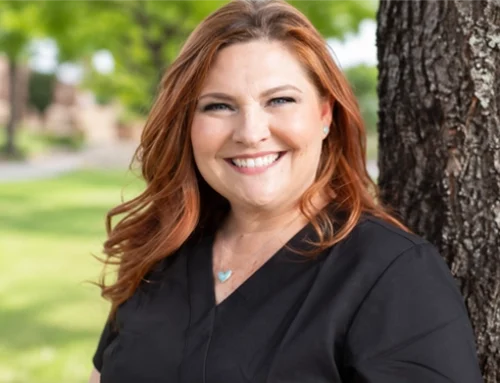
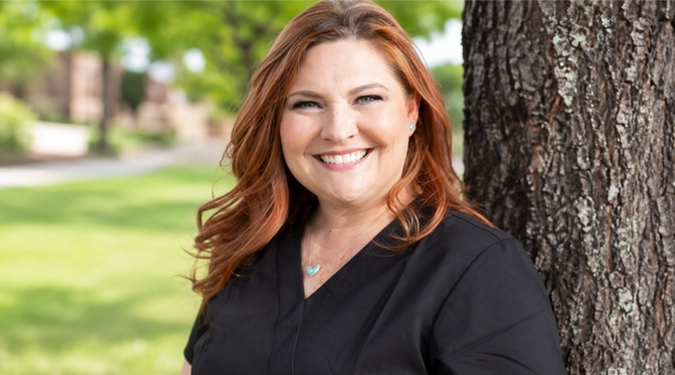
For Emily Grullón, OTR/L, OTD, CHT, a Certified Hand Therapist and faculty member at Southern California University of Health Sciences (SCU), those factors were instrumental in her own professional development—and now inform how she prepares future occupational therapists for practice.
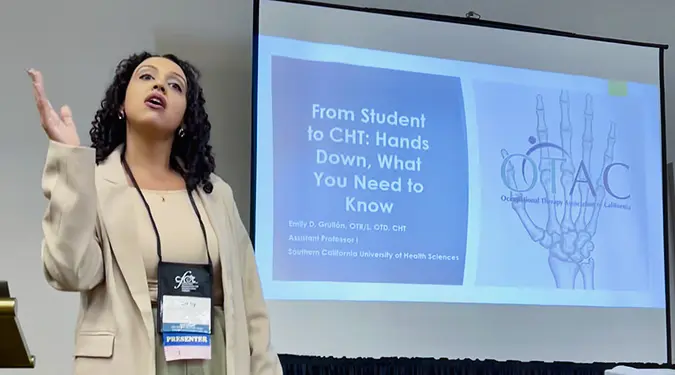
Dr. Grullón explored these themes during her presentation, From Student to CHT: Hands Down, What You Need to Know, at the 2025 Occupational Therapy Association of California (OTAC) Annual Conference, where she highlighted the critical role mentorship and organizational support play in shaping clinical confidence, professional identity, and career sustainability.
Her perspective closely aligns with SCU’s institutional philosophy: that student success extends well beyond the classroom and is strengthened through mentorship, guidance, and intentional professional development.
From Student to Specialist: A Personal Journey
Dr. Grullón entered hand therapy immediately after graduation, drawn by a strong academic foundation in anatomy and upper-extremity rehabilitation. While her education prepared her conceptually, the transition into clinical practice revealed the importance of early workplace experiences.
Reflecting on that transition, Dr. Grullón explains that her professional growth was shaped as much by her work environments as by formal training. “It was the nature of my early professional environments, not just my academic preparation, that ultimately shaped my growth as a clinician,” she notes.
Experiencing both limited-support settings and highly collaborative environments offered a clear contrast. According to Dr. Grullón, access to mentorship and shared clinical reasoning directly influenced confidence, learning, and decision-making. “When mentorship was limited, progress felt isolated and overwhelming,” she says. “When support was present, learning accelerated, and confidence strengthened.”
Why Mentorship Is the Difference-Maker
Dr. Grullón emphasizes that mentorship is not supplemental to clinical education; it is foundational. Research consistently demonstrates that supportive mentorship structures contribute to stronger professional identity formation, improved clinical reasoning, and greater resilience among early-career clinicians.
“Supportive work environments and psychologically safe mentorship structures are foundational to developing professional identity, clinical reasoning, and resilience,” Dr. Grullón explains, citing current research in allied health education.
Mentorship provides emerging practitioners with opportunities for reflection, guided problem-solving, and constructive feedback. Elements essential to translating academic knowledge into confident, ethical clinical practice.
Formal and Informal Mentorship: Complementary Roles
Effective mentorship often exists across both structured and relational contexts. Dr. Grullón distinguishes between formal mentorship, such as fellowship programs or scheduled supervisory meetings, and informal mentorship, which may emerge through daily collaboration, peer consultation, and shared clinical dialogue.
According to Dr. Grullón, the most effective learning environments intentionally support both. “Mentorship is most effective when both structure and authentic connection are present,” she explains. Structured programs offer accountability and clear learning goals, while informal relationships foster trust and real-time clinical reasoning.
Choosing the Right First Job: Guidance for New Graduates
In her role as an educator, Dr. Grullón frequently advises students who are navigating their first professional roles. She encourages graduates to evaluate not only job responsibilities, but also the learning culture of prospective workplaces.
“Students are not only asking how to specialize,” Dr. Grullón observes. “They are asking where they will be best supported as new clinicians.”
She recommends that students ask questions about mentorship structure, feedback practices, and opportunities for collaborative learning during interviews. These factors, she notes, are often decisive in determining whether early-career clinicians feel supported and capable of long-term growth.
SCU’s Commitment to Student Success Beyond the Classroom
At Southern California University of Health Sciences, mentorship is a central component of professional preparation. Faculty members serve not only as instructors but as mentors who help students navigate clinical decision-making, professional identity development, and career sustainability.
Dr. Grullón’s work reflects SCU’s broader commitment to preparing graduates who are equipped not only with clinical competence but with the confidence and discernment to seek healthy, supportive professional environments after graduation.
Related Posts