Arizona’s Best Chiropractic Schools: Programs, Costs & Admissions
Choosing from the best chiropractic schools in Arizona can shape not just your education, but your entire career in healthcare. With growing demand for integrative, hands-on care, the state has become a compelling destination for students ready to step into a respected and rewarding field. Factors like program length, admissions requirements, and total cost all play a key role in making the right decision for your future.
One program leading that charge is the hybrid Doctor of Chiropractic program launching in January 2026 at Southern California University of Health Sciences (SCUHS). Offered at our Phoenix Metro campus in Tempe, this program combines online coursework with in-person clinical experience, giving Arizona students a flexible path to a respected chiropractic degree.
Arizona’s Fast-Growing Population and Healthcare Demand
Arizona is one of the fastest-growing states in the country, with a population that has surged in recent years due to strong economic development, a lower cost of living, and a warm climate that draws residents from across the nation. With this population growth comes an equally rapid expansion in healthcare demand, including the need for licensed chiropractors.
As new communities form and existing cities like Phoenix, Tucson, and Mesa continue to grow, access to holistic, non-invasive care is becoming an essential part of the state’s evolving healthcare landscape. This creates opportunities for aspiring chiropractors to serve a population that increasingly values preventative care, mobility, and wellness. Yet, despite the clear need, Arizona currently has no active Doctor of Chiropractic (DC) programs operating within the state. And it’s not alone: New Mexico, Colorado, Utah, Idaho, Nevada, and Wyoming also have no DC programs, creating a vast educational gap across the southwestern and mountain west regions.
Students Historically Forced to Leave State for Education
For years, aspiring chiropractors in Arizona have had no choice but to leave home to pursue their education. That often means moving across state lines, enrolling in a school hundreds of miles away, and adjusting to a new community while tackling an intensive professional program.
Relocation affects more than convenience. It adds costs (housing, travel, higher tuition in some cases) and creates emotional and logistical challenges. The absence of local chiropractic programs has created a clear and persistent set of barriers for students in Arizona. While the interest in chiropractic care is strong, the path to becoming a chiropractor has often felt out of reach for those who want to stay close to home.
Here’s how this shortage of local programs affects students:
- You’re facing extra costs for housing, moving, and commuting
- You may have to leave behind a job, family, or other responsibilities
- Your education may lack a local focus, limiting your future patient base
- It’s harder to build a network here in Arizona while studying elsewhere
- Many students never return to Arizona to practice after training out of state
All of this makes a local chiropractic program necessary. When the education you need is within reach, everything becomes more possible. And if you’ve been waiting for that opportunity to come to Arizona, the good news is—it’s finally happening.
Hybrid Learning, Hands-On Experience: The SCUHS Advantage
We’re excited to bring our long-standing legacy in chiropractic education to the heart of Arizona. In January 2026, we’re launching Arizona’s first and only hybrid Doctor of Chiropractic program at our new Phoenix Metro campus in Tempe, located at Sonoran University of Health Sciences. This program was built with today’s student in mind: flexible, accredited, hands-on, and future-focused.
We’ve been at the forefront of chiropractic education since 1911, when we began as the Los Angeles College of Chiropractic (LACC). For more than 110 years, we’ve trained thousands of professionals who’ve gone on to lead and transform patient care across the country. Now, we’re bringing that same vision and innovation to Arizona—because we believe students here deserve access to an exceptional education without having to leave home.
- Full-time hybrid format with online and on-campus learning
- 3–4 year completion timeline, depending on your course load and credits
- No bachelor’s degree required—enter with 90+ credits and finish your bachelor’s while completing your DC
- Real-world business training for private practice success
- Hands-on clinical experience in local SCU Health Clinics and external rotations
- Degree customization options, including a Sports Medicine Emphasis
- Accredited by the Council on Chiropractic Education
- Fixed tuition guarantee, with financial aid and scholarships available
We’ve designed this program to help you move forward without putting your life on hold.
Remote-Friendly Format Designed Around You
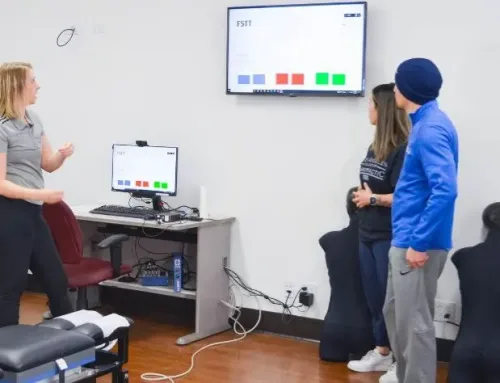
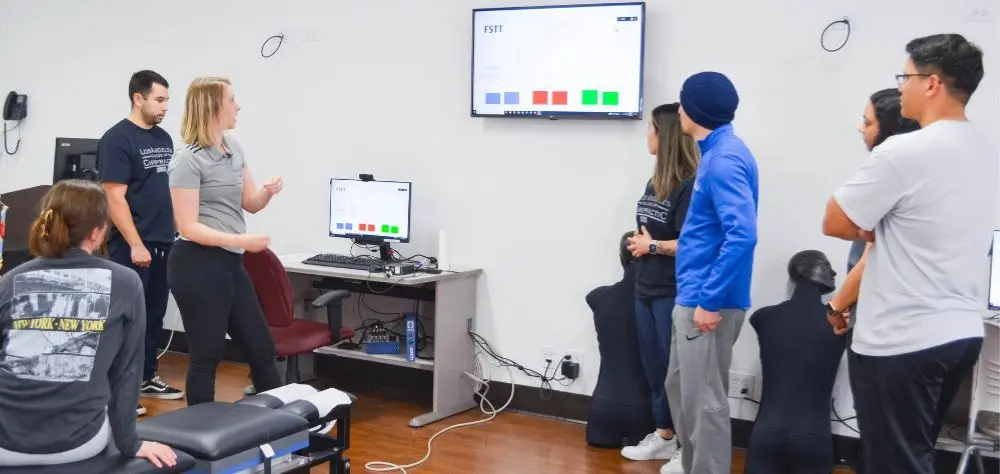
Our hybrid format blends online and in-person learning in a way that gives you structure and flexibility. Most of your didactic coursework happens online through interactive, live lectures that keep you connected to classmates and faculty in real time. For your hands-on training, you’ll attend 3–5 day in-person sessions every three weeks at our Tempe campus.
You won’t need to relocate. You can stay rooted in your community, continue your current commitments, and still gain all the skills and experience necessary to become a highly trained Doctor of Chiropractic. This model allows you to build momentum while receiving frequent faculty feedback and peer collaboration in a meaningful and effective way.
Real Business Skills for Real Career Success
Graduating with strong clinical skills is important. But knowing how to run your practice—or navigate the business side of healthcare—is just as crucial. We include practical business skill development in your coursework, giving you tools that many other programs overlook.
You’ll gain experience in:
- Private practice development
- Risk mitigation
- Medical coding and billing
- Financial planning
- Legal compliance in healthcare
Whether you’re aiming to open your own clinic or join a group practice, these skills will give you the confidence to lead and succeed from day one.
Clinical Experience That Builds Your Future
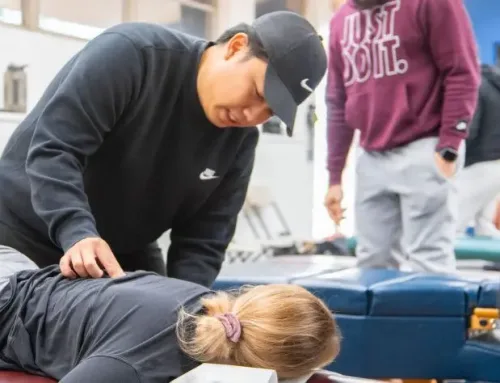
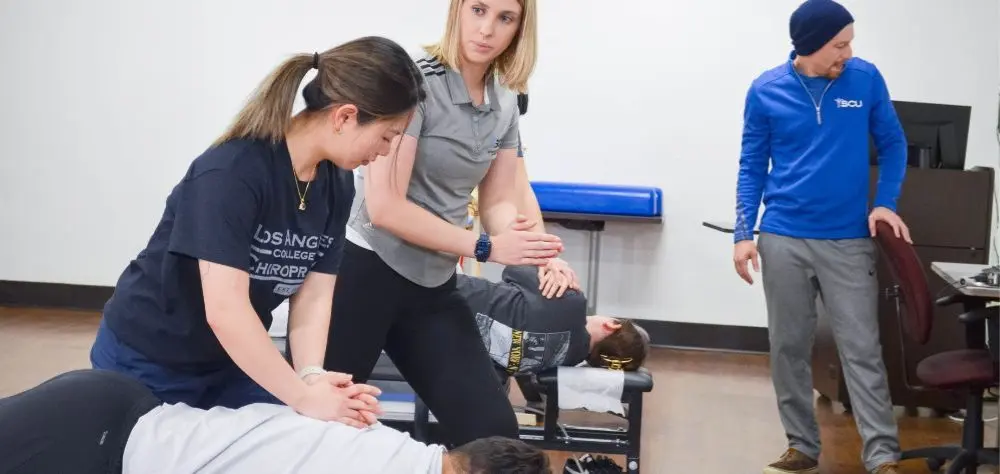
At SCUHS, we believe clinical training should reflect the world you’ll work in. That’s why we offer resume-building, real-world clinical experiences from the beginning of your program. You’ll start your hands-on training in SCU Health Clinics across the Phoenix metro area, which are open to the public and accept insurance, offering true-to-life clinical exposure.
Then, you’ll expand your experience through partner sites across Arizona and beyond. These include private practices in specialties like pediatrics, sports medicine, and integrative care, VA hospitals and federally qualified health centers, division I athletic departments, community clinics serving diverse populations and more.
Customize Your Degree to Match Your Passion
We want you to shape your chiropractic career in a way that reflects your personal and professional interests. Our program offers multiple paths for degree customization through elective course tracks in:
- Sports Medicine
- Eastern Medicine
- Functional Medicine
- Chiropractic Techniques
- Business and Practice Development
You also have the unique opportunity to pursue a dual degree—earning both your Doctor of Chiropractic (DC) and Doctor of Acupuncture & Chinese Herbal Medicine. It’s a time- and cost-efficient way to expand your scope and deepen your expertise in integrative care.
No Bachelor’s Degree? No Problem.
You don’t need a bachelor’s degree to apply. If you have 90 or more college credits, you can begin your chiropractic education and earn your bachelor’s along the way. Through our embedded bachelor’s track, you’ll complete a Bachelor of Science in Health Sciences (BSHS) simultaneously with your DC.
The curriculum is carefully designed to count many of your DC courses toward your bachelor’s requirements, so you won’t need to take extra time or coursework.
Optional Sports Medicine Emphasis for Athletic Careers
Interested in working with athletes or bringing movement-based expertise into your practice? Our Sports Medicine Emphasis is one of our most popular degree enhancements. It prepares you to serve amateur, collegiate, and professional athletes in diverse settings, from marathons and cycling races to taekwondo championships and weightlifting competitions.
You’ll learn from experienced faculty and gain real-world exposure by working alongside athletic departments and event medical teams. Whether you’re aiming for a sports-focused private practice or looking to support active individuals in your community, this emphasis gives you the specialized training to make it happen.
How Much Does a Chiropractic Degree Really Cost?
Planning your education also means planning for how you’ll cover it. Chiropractic school is an investment in yourself, your future career, and your ability to serve others through healthcare. While tuition rates vary by school and region, the national average places chiropractic programs in the same range as many professional healthcare degrees.
Common Expenses: What You’ll Be Paying For
Every chiropractic program includes a handful of essential costs, and being familiar with them ahead of time helps you create a more realistic plan. Here’s a general breakdown of what most students should expect:
- Tuition – Typically billed per term or per credit hour
- Lab Fees – Applied to hands-on courses involving technique or anatomy
- Clinical Training Costs – Covers materials, lab coats, and patient management systems
- Books and Course Materials – Required textbooks, digital tools, anatomy resources
- Technology Fees – May apply for access to learning platforms and virtual simulations
While tuition is the biggest line item, it’s these smaller, consistent expenses that tend to surprise students. Make room in your budget for all of them so there are no unexpected hurdles along the way.
Hidden Costs That Can Add Up
In addition to the more visible, billed costs, there are others that come with the territory, especially depending on where you study. These hidden or indirect expenses may not show up on your tuition bill but should absolutely be factored into your financial planning.
If you’re attending a program far from home, these costs might include:
- Relocation expenses like movers, deposits, and travel
- Monthly rent near campus if housing isn’t included or available
- Transportation and parking for clinical rotations
- Meals and supplies during short in-person residencies
- Time away from work if you’re transitioning from a full-time job
At SCUHS, our hybrid format helps ease some of these challenges by reducing the need for full relocation and daily campus commutes. You can stay where you are and still earn a degree that meets the same standards as traditional on-campus programs.
Financial Aid, Scholarships & Work-Study Opportunities
You don’t have to cover your education alone. Most chiropractic students qualify for federal financial aid, and there are many other resources available to reduce the burden. Our team at SCUHS is here to help you explore every option.
Students may be eligible for:
- Federal loans through the FAFSA
- Work-study programs that let you earn while you learn
- Institutional scholarships based on merit or need
- Program-specific awards and grants available each year
We also offer a fixed tuition guarantee, which means the rate you start with stays the same throughout your program. That predictability is a big help when you’re budgeting for a multi-year degree.
Chiropractic Schools Accessible to Arizona Students
For a long time, students in Arizona who wanted to become chiropractors had to look out of state for their education. While this has led many to excellent institutions across the country, it also comes with challenges—especially for those who prefer to stay close to home. Understanding which chiropractic schools are commonly attended by Arizona students can help you weigh your options and think strategically about your next steps.
Some of the most frequently considered chiropractic schools near Arizona include Palmer College of Chiropractic, with campuses in Iowa, Florida, and California; Parker University in Texas; Life Chiropractic College West in California; and Logan University in Missouri. These schools have strong reputations and long-standing programs, and many Arizona students have successfully launched careers after graduating from them.
However, every out-of-state program requires some level of commitment to relocation or long-distance travel. That can affect your personal life, financial planning, and even your ability to build a network in the Arizona healthcare community.
What Out-of-State Programs Mean for Arizona Residents
Choosing an out-of-state chiropractic program often comes with higher financial and personal costs for Arizona students. While these schools offer excellent education, relocating adds several layers of complexity, especially if you’re transitioning careers, caring for a family, or trying to stay within a certain budget.
The biggest burdens students face include:
- Traveling long distances for admissions, orientations, and residencies
- Paying out-of-state rent or temporary housing costs
- Scheduling challenges that affect your job or personal obligations
- Limited access to Arizona-based clinical training, which affects local networking and job placement
For many students, the lack of local options has been a barrier for years. That’s exactly why we’re bringing our hybrid Doctor of Chiropractic program to Arizona—so you can pursue your education without uprooting your life.
The Opportunity You’ve Been Waiting For
Choosing the best chiropractic schools in Arizona means finding a program that offers flexibility, real clinical experience, and support for your goals.
At Southern California University of Health Sciences (SCUHS), we’re proud to offer Arizona’s first hybrid Doctor of Chiropractic program opening January 2026. If you’re ready to train close to home, stay connected to your community, and pursue a meaningful healthcare career, this is your moment. Apply now and take the first step toward becoming a chiropractor right here in Arizona.
FAQs
What should I look for when choosing the best chiropractic schools in Arizona?
Look for programs that are accredited, offer real-world clinical training, and give you flexibility with how you learn. Consider whether the school offers support services, degree customization, and business preparation. Location, schedule, and tuition structure all matter too, particularly if you’re balancing other commitments. The best programs help you prepare for the licensing process while supporting your personal and professional goals.
How long does it take to complete a Doctor of Chiropractic program?
Most chiropractic programs take around 3 to 4 years to complete, depending on your course load and whether you’re transferring credits. Some schools offer hybrid formats or year-round schedules that help you finish sooner. It’s a rigorous degree, so plan for a full-time commitment, but one that gets you into the field with confidence and practical experience.
How do chiropractic programs prepare students for licensure?
Chiropractic schools include coursework and clinical experiences aligned with national board exam requirements. This means you’ll learn anatomy, diagnostics, ethics, techniques, and case management through both classroom and hands-on training. Many programs also offer board prep resources or courses to help ensure you’re ready for each stage of the licensing process when the time comes.
What makes SCUHS different from other chiropractic schools near Arizona?
We offer Arizona’s first and only hybrid Doctor of Chiropractic program, opening in January 2026. Our program combines online learning with in-person clinical training, so students can stay close to home while earning a degree that meets national standards. We’ve designed our program for flexibility, access, and real-world preparation.
Can I attend the SCUHS program without relocating full-time?
Yes, you can. Our hybrid format is built to support students who prefer to stay in their community while studying. Online coursework is paired with scheduled on-campus labs in Tempe every few weeks, so you can manage work, family, and school without needing to move or commute daily. It’s a remote-friendly format that supports your life and learning.
Does SCUHS offer financial aid or scholarships for chiropractic students?
We do. Students who qualify can apply for federal financial aid, and we also offer institutional scholarships and program-specific awards. In addition, we provide a fixed tuition guarantee, so the cost you start with stays consistent throughout your program. We’re here to guide you through the entire financial aid process and help make your education as accessible as possible.
Can I earn a bachelor’s degree while completing my DC at SCUHS?
Yes, you can earn both your Bachelor of Science in Health Sciences and your Doctor of Chiropractic at the same time. Our embedded bachelor’s degree pathway is designed for students entering with 90 or more undergraduate credits. This structure allows you to graduate with both degrees on the same timeline without adding extra semesters or delaying your goals.
Related Posts