How Much Do Chiropractors Make in Arizona? Average Pay, Salary & Job Market

How much chiropractors make in Arizona is a question many prospective students, and career-changers, ask when considering this path. With Arizona’s expanding population, active lifestyle culture, and growing demand for natural, non-invasive care, chiropractic is becoming an increasingly valued profession in the state. Salaries can vary widely based on location, years in practice, specialization, and type of employment, but Arizona continues to offer competitive opportunities for new and experienced chiropractors alike.
Chiropractor Salary Overview: National vs. Arizona
Chiropractic care continues to grow in demand across the country and so does the earning potential. According to data from the Bureau of Labor Statistics (BLS) as of May 2024, the median national salary for chiropractors is $79,000. This reflects a wide range of practice styles and geographic locations, from small-town solo providers to urban chiropractors working in large integrative health centers. Salary also depends on how established a practice is, how many patients are seen weekly, and how diversified the services are.
This national median offers a baseline, but it’s only the starting point. Chiropractors in high-demand areas or with in-demand specializations may earn significantly more. It’s important to consider how experience, credentials, and the cost of living in a particular state or city can shape overall income.
Arizona Salary Outlook for Chiropractors
In Arizona, the outlook is strong and climbing. Due to population growth, increasing interest in wellness, and expanding insurance coverage for chiropractic services, demand for care is especially high in cities like Phoenix, Tucson, and Scottsdale. According to Indeed.com, chiropractors in Phoenix earn an average of $88,134 annually. While this isn’t an exact number and may fluctuate by source, it’s a helpful snapshot of the region’s competitive landscape.
What Influences Salary the Most
Several factors can influence what a chiropractor earns, especially in a state like Arizona, where career paths vary widely. First is location. Chiropractors practicing in cities like Phoenix, Scottsdale, or Tucson typically have access to larger patient populations and more established referral networks. In contrast, rural chiropractors may serve fewer clients but benefit from lower overhead costs and less competition.
Experience also plays a key role. Early-career chiropractors may earn less while building their reputations and client bases, but income often grows steadily year over year. Chiropractors who add specializations, such as sports chiropractic, pediatric care, or functional medicine, may attract specific patient groups willing to pay for targeted care. And then there’s practice type. Running your own clinic offers greater income potential, though it also involves managing operations. Meanwhile, chiropractors working in group practices or health systems may earn steady salaries with fewer administrative responsibilities.
Arizona’s Outlook Remains Strong
Arizona continues to offer a favorable environment for chiropractors, particularly those looking to combine financial stability with a meaningful, patient-focused career. The demand is steady, and more healthcare systems are incorporating chiropractic into their services. As more Arizona students explore how to enter the field, the outlook for both income and long-term opportunity remains strong.
If you’re considering a chiropractic career and want to stay local, Arizona now offers something it didn’t have before—an in-state, hybrid Doctor of Chiropractic program through SCUHS. It’s a smart step toward a career where you can make a difference, grow professionally, and build something lasting.
Chiropractor Job Market Outlook in Arizona
The national job outlook for chiropractors is strong, with a 10% projected growth rate from 2024 to 2034, according to the U.S. Bureau of Labor Statistics. That’s well above the average for all occupations. With an estimated 2,800 new chiropractic openings expected each year, the profession is continuing to expand in both traditional clinical settings and integrative health environments.
As more people seek alternatives to medication and surgery for musculoskeletal issues, the role of the chiropractor becomes even more central to care teams. New graduates can expect to enter a workforce that values hands-on, preventative care and recognizes the importance of patient education and movement-based therapies.
Arizona’s Healthcare Market Is Driving Local Demand
Zooming in on Arizona, the outlook is even more promising. Several factors are converging to make the state an ideal environment for chiropractors starting or growing their careers. For starters, Arizona’s population continues to grow rapidly, especially in the Phoenix metro area. This means more residents seeking care, more families settling down, and more aging adults requiring ongoing support for chronic pain and mobility.
Arizona also has one of the strongest wellness and fitness cultures in the country. From outdoor enthusiasts to professional athletes, people here are focused on staying active—and chiropractic care is a natural fit. In addition, as more clinics integrate chiropractic into their care models and insurance coverage expands, access is becoming easier for patients and more sustainable for providers.
What does all of this mean for you? Whether you’re exploring chiropractic as a first career or making a mid-career shift, Arizona is offering more opportunities than ever to step in, serve your community, and build a rewarding practice.
How to Choose the Right Chiropractic School for Arizona Students
When narrowing down chiropractic programs, accreditation should always be the first box you check. For any degree to be recognized in the field, the school must be accredited by the Council on Chiropractic Education (CCE). This ensures the program meets national educational standards and qualifies you to sit for licensing exams. Attending a non-accredited program can derail your career path before it even begins.
Beyond accreditation, it’s also important to explore whether the school has a track record of student success. Look into board exam pass rates, graduation data, and career placement support. A school that invests in student outcomes is more likely to support your long-term success.
Format That Matches Your Lifestyle
The format of the program plays a huge role in how you’ll experience your education. Some chiropractic schools offer traditional, in-person instruction only, which may mean relocating or commuting full-time. Others, like hybrid programs, combine online coursework with in-person residencies often making them more accessible for working adults, parents, or career-changers. If flexibility matters to you, consider programs that prioritize student-centered learning options.
Hybrid formats give you the chance to engage in live, interactive online classes while attending in-person labs on a scheduled, condensed basis. This is especially helpful if you’re balancing your education with work or family commitments.
Why Location Still Matters
While online learning has expanded access, location still makes a difference. Arizona students have historically had to leave the state for chiropractic education, often adding to the cost, complexity, and stress of the process. Attending a program closer to home can save on travel and housing while helping you stay connected to your community. It also opens up local networking and clinical training opportunities, which can be helpful when it’s time to launch your career.
Choosing a school in-state allows you to build relationships with local chiropractors, work in Arizona clinics during your training, and stay connected to the region where you’re likely to practice.
Faculty and Clinical Experience Are Big Differentiators
Great programs are built on the strength of their faculty. When you’re researching schools, take a close look at who’s teaching and where they’ve practiced. Experienced faculty bring insight from the real world and help bridge the gap between textbook knowledge and practical skills. Strong programs also offer a wide range of clinical opportunities that go beyond on-campus clinics, including rotations in diverse community and healthcare settings.
Ask about how early clinical experience begins, how patients are integrated into student training, and what kinds of partnerships the school has with local practices or health systems.
Know the Full Financial Picture
Cost is always a factor, but it’s not just about tuition. When comparing chiropractic programs, make sure you’re getting clear information about all costs, including books, lab fees, and travel for clinical sessions or residencies. Transparent schools will provide detailed breakdowns so you can plan effectively. You’ll also want to look at financial aid options, including scholarships, grants, and work-study opportunities.
Reach out to admissions or financial aid teams with questions, and don’t hesitate to ask about typical debt loads or payment plans. You’re investing in your future, so it’s worth doing your homework upfront.
Training for Tomorrow’s Healthcare—Right Here in Phoenix
At Southern California University of Health Sciences (SCUHS), we’re proud to be opening our Phoenix Metro campus in January 2026—home to Arizona’s first and only Doctor of Chiropractic (DC) program. This hybrid, full-time program is designed to directly support the region’s growing healthcare workforce demands, while offering flexible access for local students ready to step into healthcare careers. From day one, our focus is on outcomes that matter: practical skills, clinical expertise, and job readiness.
We built this program for students who want to learn close to home without putting their lives on hold. Our hybrid format blends interactive online coursework with 3–5 day on-campus clinical immersions every few weeks. This structure is ideal for career-changers, working adults, and students who thrive with both structure and flexibility. Best of all, if you have 90+ undergraduate credits, you can enter directly (no bachelor’s degree required) and even complete your bachelor’s and doctorate at the same time, with no extra time added.
Here’s what sets the Phoenix DC program apart:
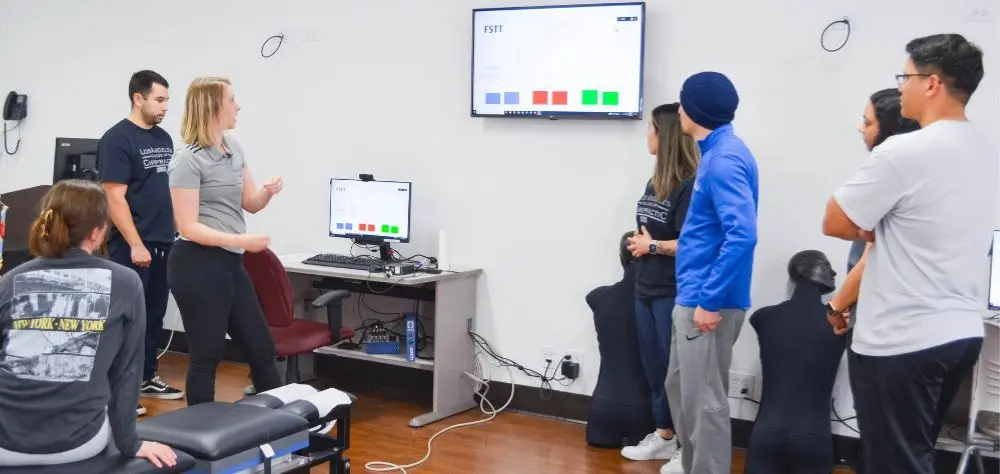
- Online + On-Campus Learning: Live, faculty-led courses delivered online, paired with 3–5 day clinical intensives every 3 weeks at the Phoenix campus
- Flexible Entry Point: No bachelor’s required—start with 90+ college credits and complete your undergraduate degree while earning your doctorate
- Fixed Tuition: Transparent pricing from day one, with institutional scholarships and federal financial aid available to those who qualify
A Launchpad for Arizona’s Future Chiropractors
Arizona’s healthcare ecosystem is growing and chiropractors will play an important role in shaping its future. As the population expands and the demand for drug-free, movement-based therapies increases, healthcare leaders need education that’s current, flexible, and clinically grounded. That’s what we’re delivering.
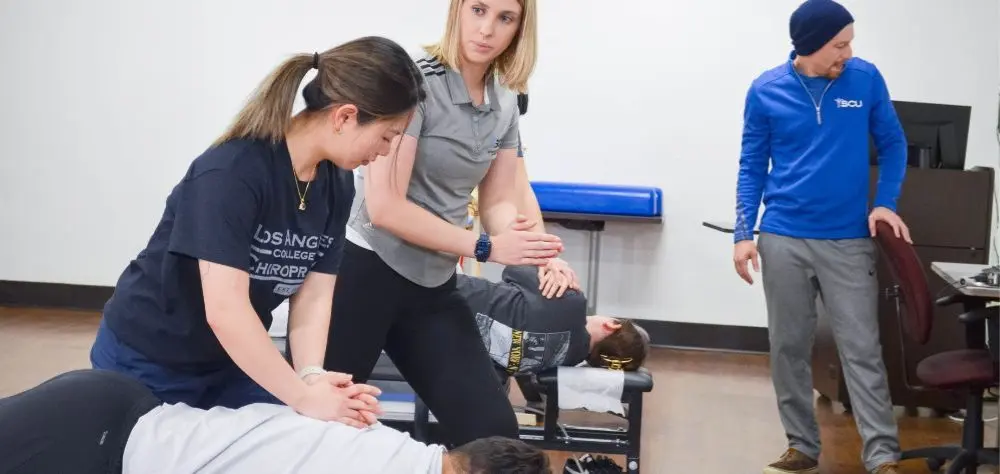
From the very beginning of the program, our students gain access to unparalleled real-world experience, including rotations at SCU Health Clinics in Phoenix. These are full-service community clinics serving nearly 50,000 patient visits per year. This means you’ll encounter a wide range of patients, diagnoses, and conditions, building the confidence and skillset to thrive after graduation.
But we don’t stop at clinical skill. Our program prepares you for the full picture of professional life, including the business, leadership, and communication skills essential for private practice or collaborative settings. You’ll take focused coursework in:
- Practice ownership and entrepreneurship
- Billing, coding, and risk management
- Marketing and patient communication strategies
After your foundational training, you’ll also complete rotations at over 500 external partner sites, including:
- VA hospitals and veterans’ clinics
- Division I university athletic programs
- Sports medicine practices and community events
- Federally Qualified Health Centers and nonprofit clinics
All of this is designed to support you in graduating career-ready, with a resume that reflects deep clinical experience, business acumen, and specialty focus if you choose one, like our Sports Medicine Emphasis, which remains one of our most sought-after options.
As the only program of its kind in Arizona, we’re opening doors that were previously closed to many students across the state, particularly working professionals, parents, and career-changers who want to stay rooted in their communities while advancing in a meaningful healthcare field.
Be Part of the Future of Arizona Chiropractic
Arizona’s healthcare landscape is expanding rapidly and the need for well-trained, locally educated chiropractors is rising along with it. With our flexible hybrid format, career-focused curriculum, and deep community ties, SCUHS is proud to offer Arizona’s first Doctor of Chiropractic program designed to meet students where they are and prepare them for where they want to go.
Whether you’re just starting to explore this path or you’re ready to apply, we’re here to help you move forward. Join us at our Phoenix Metro campus and become part of the first generation of chiropractors trained in-state. Apply now to get started.
FAQs
How much do chiropractors make in Arizona on average?
According to recent data from Indeed.com chiropractors in Arizona can earn around $80,000–$90,000 annually, depending on experience, location, and specialization. Those in high-demand areas like Phoenix or Scottsdale may earn even more, especially if they own a private practice or specialize in fields like sports medicine or functional wellness. Income typically grows as practitioners build experience and patient bases.
What factors influence a chiropractor’s salary in Arizona?
Several factors impact earnings, including years in practice, the number of patients seen weekly, and whether the chiropractor works in private practice, a group clinic, or a health network. Specializations such as sports or family chiropractic can also increase income potential. Location matters too, as urban areas with more patients and established healthcare networks usually offer higher earning opportunities than rural regions.
Are chiropractic jobs in Arizona growing?
Yes, the chiropractic job market in Arizona is expanding quickly. The Bureau of Labor Statistics projects a 10% job growth rate for chiropractors nationwide from 2024–2034, faster than average for all occupations. Arizona’s population boom, active lifestyle culture, and demand for non-invasive care are fueling local job opportunities, making this one of the best times to enter the profession.
Does SCUHS require a bachelor’s degree before starting the chiropractic program?
We don’t require a completed bachelor’s degree to apply. At SCUHS, students with 90 or more college credits can begin their Doctor of Chiropractic (DC) program right away. You’ll even have the chance to earn your bachelor’s degree while completing your doctorate, without adding extra time, making it easier to start your chiropractic career sooner.
What makes SCUHS’s chiropractic program in Arizona unique?
Our Phoenix Metro program is Arizona’s first hybrid Doctor of Chiropractic program, launching in 2026. We combine live online learning with short, hands-on residencies, giving students flexibility while maintaining a rigorous, clinical education. We also provide local training opportunities through our SCU Health Clinics and 500+ clinical partners, ensuring graduates are career-ready with real-world experience.
Related Posts