How to Become a Chiropractor in Arizona: Education, Licensing & Career Path

How to become a chiropractor in AZ? It’s a question more aspiring healthcare professionals are asking as the demand for holistic, non-invasive care continues to grow. Chiropractic offers a dynamic, patient-centered career focused on movement, function, and long-term wellness, making it especially appealing in a state like Arizona, where active lifestyles and integrated care are on the rise. But like any healthcare field, there’s a clearly defined path from interest to licensure.
At Southern California University of Health Sciences (SCUHS), we’ve guided future chiropractors through this journey for over 110 years—and now, with Arizona’s first hybrid Doctor of Chiropractic program launching soon, we’re excited to support students right here in the state. If you’re thinking seriously about this career, there’s never been a better time to start.
Becoming a Chiropractor in Arizona
Before you can begin chiropractic school, you’ll need to complete at least 90 semester credits from a regionally accredited college or university. These undergraduate credits don’t need to be tied to a specific major, but they should include a strong foundation in the sciences. Most successful applicants have coursework in biology, chemistry, physics, and psychology, as well as general education requirements like English and math.
This phase is a chance to build the academic habits and knowledge base that will help you thrive in a doctoral-level program. Many students choose majors like kinesiology, exercise science, or biology, not because they’re required, but because they align naturally with chiropractic education.
Some chiropractic programs allow students to enter before completing a bachelor’s degree, which can help accelerate your timeline. If you’re already working toward your undergraduate credits, you may be closer to eligibility than you think.
Doctor of Chiropractic (DC) Program:
Once you’ve completed your undergraduate prerequisites, your next step is enrolling in an accredited Doctor of Chiropractic program. This professional degree typically takes 3 to 4 years of full-time study and blends academic coursework with intensive clinical training.
The curriculum is structured to cover key areas of chiropractic care, including anatomy, physiology, biomechanics, pathology, diagnostic imaging, and adjusting techniques. You’ll also study public health, ethics, patient communication, and practice management—all essential for success in real-world practice.
In the later stages of the program, you’ll move into clinical rotations, gaining supervised hands-on experience treating patients.
Clinical Experience: From Classroom to Practice
A key part of every chiropractic program is clinical training. This is where your academic learning becomes real. You’ll apply your knowledge in supervised settings, working directly with patients under the guidance of licensed professionals. These experiences may take place on-campus at university health centers, or off-campus at partner clinics.
Clinical rotations expose you to a range of cases, from sports injuries to chronic pain, and help you become comfortable making assessments, crafting care plans, and delivering chiropractic adjustments. Most programs ensure you complete hundreds of patient visits before graduation.
You’ll also begin practicing the business side of care: managing records, communicating with insurance providers, and working in interprofessional teams. Clinical training builds technical skill and deepens your sense of responsibility as a healthcare provider.
Passing the NBCE Exams: Your National Credentialing
To move toward licensure, you’ll need to pass all parts of the National Board of Chiropractic Examiners (NBCE) exams. These standardized tests are required for chiropractic practice in nearly every state, including Arizona.
The NBCE exams are divided into several parts:
- Part I: Basic sciences (anatomy, physiology, chemistry, etc.)
- Part II: Clinical sciences and diagnosis
- Part III: Clinical competency and patient care
- Part IV: Practical exams including imaging, diagnosis, and adjusting techniques
- Physiotherapy Exam (optional, depending on state requirements)
These exams are typically taken in phases throughout your chiropractic education. Your DC program will help prepare you with exam-focused review materials, mock assessments, and guidance from faculty who’ve been through it themselves.
Arizona Licensure: Final Step Before Practice
After graduating and completing the NBCE exams, your final step is applying for state licensure through the Arizona Board of Chiropractic Examiners. This application process includes:
- Verifying your graduation from an accredited chiropractic program
- Submitting proof of passing NBCE exams
- Providing official transcripts and documentation
- Passing a Jurisprudence Exam, which focuses on Arizona’s laws and regulations
- Undergoing a criminal background check
Once approved, you’ll receive your license to practice chiropractic in the state of Arizona. From there, you can begin working in a private practice, join a multidisciplinary healthcare team, or explore advanced training or specialization areas like sports chiropractic, pediatrics, or functional medicine.
Many new chiropractors also choose to open their own practice. If that’s your goal, look for programs that offer strong business and practice management training as part of the curriculum.
Job Outlook & Chiropractor Salary in Arizona
Chiropractic care continues to grow as a respected and in-demand profession, especially in states like Arizona where health-conscious, active communities thrive. The national median salary for chiropractors was reported at $79,000 by the U.S. Bureau of Labor Statistics (BLS). In Arizona, many chiropractors—particularly those in metro areas like Phoenix, Scottsdale, or Tucson—may earn more depending on their setting, specialization, and years of experience.
Several factors influence chiropractor income. Those who run successful private practices, offer niche services like sports therapy or functional medicine, or work in high-traffic locations may see earnings well above the national average. In general, urban areas with higher healthcare spending tend to offer stronger income potential. Location matters, but so does the ability to market your practice, build strong referral networks, and deliver excellent patient outcomes.
Keep in mind that early-career chiropractors often see steady growth year over year as they build their patient base. The long-term outlook remains very promising, especially in a state with increasing interest in whole-person wellness and preventative care.
Career Growth and Job Outlook for Chiropractors in AZ
If you’re planning a long-term career in chiropractic, the forecast is encouraging. The BLS projects 10% job growth in the field between 2024 and 2034, which is faster than average for all occupations. This equates to around 2,800 job openings annually nationwide, driven by both new demand and retirements among existing professionals.
Arizona is well-positioned in this trend. With its rapidly growing population (including aging adults seeking non-invasive, pain-relief alternatives) the state is seeing increased demand for chiropractors across urban and suburban areas. There’s also a cultural shift happening: more patients are turning to holistic care, and insurance providers are increasingly covering chiropractic services. That means more people have access and more chiropractors are needed to serve them.
A Range of Career Paths for Chiropractors in Arizona
Arizona offers an expanding variety of professional opportunities for chiropractors. Whether you’re drawn to patient-centered clinical practice, collaborative care environments, or community health, there’s a place for your skills. Chiropractors across the state work in diverse settings, each with unique rewards and day-to-day experiences.
Here are some of the most common career environments available to chiropractors in Arizona:
- Private Practice (Solo or Group): The most common setting for chiropractors, offering independence, flexible hours, and direct patient relationships.
- Integrative Health Clinics: Collaborative settings that combine chiropractic care with physical therapy, acupuncture, or nutrition services.
- Sports Medicine Settings: Work with athletes in gyms, sports teams, or rehabilitation centers, helping improve performance and recovery.
- Veterans Affairs (VA) Hospitals: Provide evidence-based care to veterans as part of interdisciplinary medical teams.
- Community and Nonprofit Health Centers: Serve diverse populations and expand access to conservative healthcare.
- Rural and Underserved Communities: Bring essential care to areas where access to chiropractic services may be limited.
Each of these paths allows chiropractors to specialize or expand their skills, contributing to the overall well-being of their patients while building a fulfilling, sustainable career.
Scope of Practice and What Chiropractors Can Do in Arizona
Chiropractors in Arizona are licensed to perform a wide range of clinical services that support spinal health, nervous system function, and overall physical wellness. Their scope of practice reflects a balance of hands-on care, diagnostic reasoning, and patient education, all rooted in evidence-based methods.
Licensed chiropractors in Arizona are authorized to:
- Perform spinal and extremity adjustments to improve alignment and relieve pain
- Utilize physiotherapy modalities, such as therapeutic exercises, ultrasound, or electrical stimulation
- Provide lifestyle counseling focused on ergonomics, nutrition, and preventive care
- Order and interpret diagnostic imaging, including X-rays and MRIs
- Offer rehabilitation and postural training for injury recovery and mobility improvement
Whether you envision yourself working with athletes, office professionals, or patients recovering from injuries, you’ll find that the field offers space to grow, specialize, and make a lasting impact across communities statewide.
What to Consider When Choosing a Chiropractic School
If you’re planning to become a chiropractor in Arizona, choosing the right school is one of the most important decisions you’ll make. With growing options and evolving program formats, it’s helpful to step back and look at what really matters, especially if you want a program that aligns with your lifestyle, goals, and long-term career vision.
- Accreditation: The most important non-negotiable is that the program is accredited by the Council on Chiropractic Education (CCE). This ensures your degree is recognized and meets the standards required for licensure.
- Program Format: Consider whether you want a traditional on-campus experience or a hybrid model that blends online coursework with on-site clinical immersions. Hybrid learning is especially helpful for career changers, parents, or those balancing other commitments.
- Location: Arizona students often face higher costs when relocating out of state. A program closer to home can reduce expenses and help you build professional networks in your own community.
- Faculty & Clinical Training: Look for experienced instructors and robust hands-on opportunities. A great program gives you time with patients early on and helps you graduate with confidence.
- Financial Transparency: Tuition clarity, financial aid availability, and scholarship opportunities make a big difference. A school that’s up front about costs—and supports your financial journey—can help you focus on learning, not stress.
And now, for the first time, there’s a CCE-accredited program located right in the state, combining flexibility, affordability, and real-world clinical training.
Chiropractic Education Comes to Arizona: SCUHS Leads the Way
SCUHS has been shaping the future of chiropractic care for over 110 years. In January 2026, we’re bringing that legacy to Arizona with the launch of our first-ever Doctor of Chiropractic (DC) program in the Phoenix Metro area. For the first time, Arizona students can pursue a high-quality chiropractic education right in their own backyard—no out-of-state move required.
This is a great opportunity for local students, working professionals, and career-changers to access evidence-based chiropractic training, world-class faculty, and real-world clinical experiences, all through a format that prioritizes both flexibility and excellence.
Hybrid Format Designed Around Your Life
Our new DC program is built to meet students where they are—both geographically and professionally. The 10-term hybrid format combines online didactic learning with immersive, in-person clinical labs, allowing students to learn foundational science and technique from the comfort of home while still gaining essential hands-on experience.
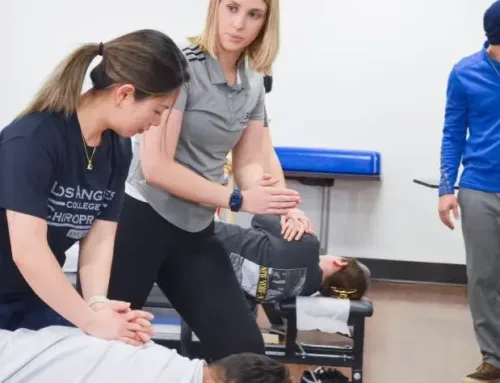
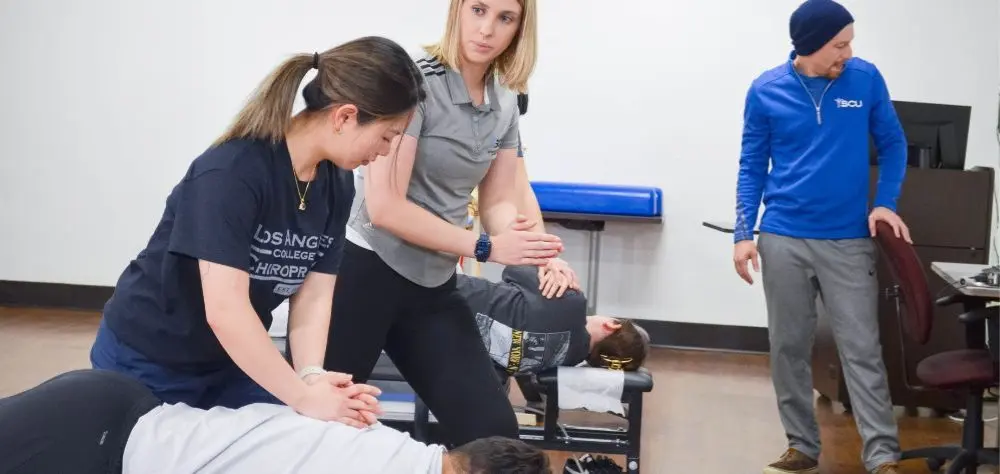
On-campus sessions are delivered in condensed 3–5 day residencies every few weeks, making the program ideal for those balancing work, family, or travel limitations. These sessions are packed with high-impact lab experiences, clinical simulations, and faculty-led guidance designed to sharpen your skills and confidence.
With this hybrid structure, our program opens doors for students across Arizona who are ready to pursue chiropractic without pausing their lives.
Flexible Entry: No Bachelor’s Degree Required
We know that the path to chiropractic school doesn’t always follow a straight line. That’s why our Arizona DC program welcomes students who’ve completed 90 or more undergraduate credits, even if they haven’t earned a bachelor’s degree yet. This means you can start your doctoral training sooner and finish your education faster.
Even better? You’ll have the opportunity to earn a Bachelor of Science in Health Sciences (BSHS) while completing your Doctor of Chiropractic degree. The curriculum is designed with efficiency in mind, many courses count toward both degrees, allowing you to finish both in as little as 3 years and 4 months, with no added time.
Evidence-Based Curriculum With Deep Clinical Roots
Our curriculum has been developed with a strong foundation in evidence-based care, hands-on training, and interdisciplinary collaboration. As a student in our Arizona hybrid program, you’ll dive into topics like anatomy, physiology, diagnostic imaging, biomechanics, adjusting techniques, and patient communication, guided by expert faculty who practice what they teach.
You’ll also receive real-world clinical training through rotations at SCU Health Clinics and at carefully selected partner sites across Arizona. These experiences go far beyond student-only clinics. You’ll work directly with patients in diverse, high-volume settings that build your clinical skills and your professional résumé.
Ideal for Arizona Students, Career-Changers, and Busy Adults
We built this program with our students in mind, particularly those who’ve been waiting for a high-quality, local chiropractic option. If you live in Arizona and want to stay close to home while earning your degree, our Phoenix Metro campus is here for you. You’ll save on relocation costs, stay connected to your support network, and build in-state professional relationships that can support your long-term career.
Our hybrid format also supports working adults and career-changers who need more flexibility than a traditional full-time, on-campus program can provide. You won’t have to put your life on hold to pursue your dream of becoming a chiropractor. Instead, you’ll gain the skills, credentials, and experience you need in a format that works with your lifestyle.
This is your chance to learn from a nationally respected institution, earn a degree with real value, and join a community that’s invested in your success.
Move Forward with Confidence
Southern California University of Health Sciences is proud to be launching Arizona’s first and only hybrid Doctor of Chiropractic program offering flexible scheduling, hands-on clinical training, and an evidence-based curriculum that supports real-world success. With entry available to students holding 90+ college credits and an option to earn a bachelor’s and doctorate at the same time, this program was built with Arizona students in mind.
Whether you’re ready for a career change, continuing your education, or just beginning your healthcare journey, our Phoenix Metro program is designed to meet you where you are—without sacrificing quality or outcomes. Applications are open now—explore the program here and take your first step toward becoming a chiropractor.
FAQs
What are the basic steps for how to become a chiropractor in AZ?
To become a chiropractor in Arizona, you’ll need at least 90 undergraduate credits, complete a Doctor of Chiropractic (DC) degree from a CCE-accredited program, pass all parts of the National Board of Chiropractic Examiners (NBCE) exams, and then apply for licensure through the Arizona Board of Chiropractic Examiners. Once licensed, you’ll be eligible to practice in clinics, private offices, or integrative healthcare settings.
How long does it take to become a licensed chiropractor in Arizona?
The process usually takes around 7 to 8 years in total, about three years of undergraduate study followed by 3 to 4 years in a chiropractic program. Some students shorten their path by enrolling in programs that accept 90+ credits without requiring a bachelor’s degree. After graduation, you’ll complete national exams and state licensure requirements before practicing.
What’s the job outlook for chiropractors in Arizona?
The outlook is strong. The Bureau of Labor Statistics projects a 10% job growth for chiropractors nationwide between 2024 and 2034, faster than the average for all occupations. In Arizona, opportunities continue to rise due to population growth, an aging demographic, and expanding interest in natural, preventative care. Urban areas like Phoenix and Scottsdale tend to offer the most competitive openings and salaries.
Does SCUHS require a bachelor’s degree to apply to the Doctor of Chiropractic program?
We don’t require a completed bachelor’s degree to begin. If you have 90 or more undergraduate credits, you’re eligible to apply to our Doctor of Chiropractic (DC) program. We also offer an embedded Bachelor of Science in Health Sciences (BSHS) track, allowing you to earn your bachelor’s while completing your doctorate with no extra time added to your education.
What makes SCUHS’s Arizona program different from others?
We’re proud to offer Arizona’s first hybrid Doctor of Chiropractic program, opening in January 2026. Our model blends online interactive coursework with short, on-campus residencies every few weeks. Students gain both flexibility and immersive hands-on learning, supported by experienced faculty and extensive clinical opportunities. It’s a program designed for Arizona students who want quality education close to home.
Related Posts