How to Become a Chiropractor Online: Hybrid Pathways & Flexible Locations

Figuring out how to become a chiropractor online is a question more students are asking as they look for flexible, career-focused education that fits into real life. With the rise of hybrid learning models, it’s now possible to pursue a Doctor of Chiropractic degree through a combination of online coursework and scheduled, hands-on clinical training without sacrificing quality or accreditation.
At Southern California University of Health Sciences (SCUHS), we’ve developed a full-time, hybrid Doctor of Chiropractic program that blends interactive online lectures with in-person labs and clinical experience.
Can You Really Become a Chiropractor Online? Understanding the Hybrid Model
If you’ve been researching how to become a chiropractor and wondered whether you can complete your education entirely online, you’re definitely not alone. The convenience of online learning is appealing, especially for students who are balancing careers, families, or other responsibilities. But when it comes to professional degrees like chiropractic, the reality is that fully online chiropractic programs don’t exist.
To become a chiropractor, you need clinical, hands-on training in addition to academic instruction. This is a requirement set by the Council on Chiropractic Education (CCE), the national accrediting body for chiropractic programs in the U.S. CCE accreditation standards ensure that students graduate with both the knowledge and physical skills required to practice safely and effectively. That’s where hybrid programs come in.
What a Hybrid Chiropractic Program Looks Like
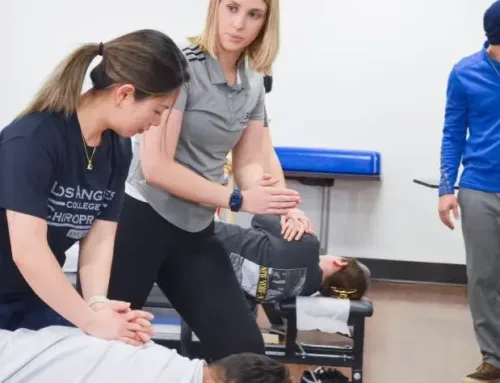
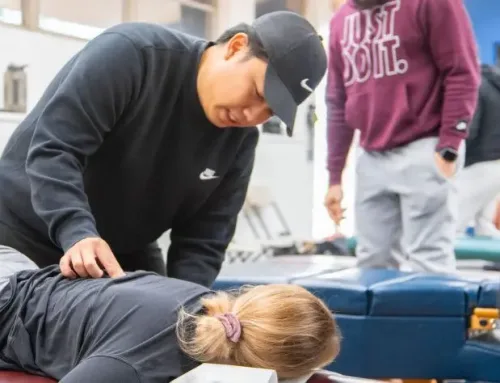
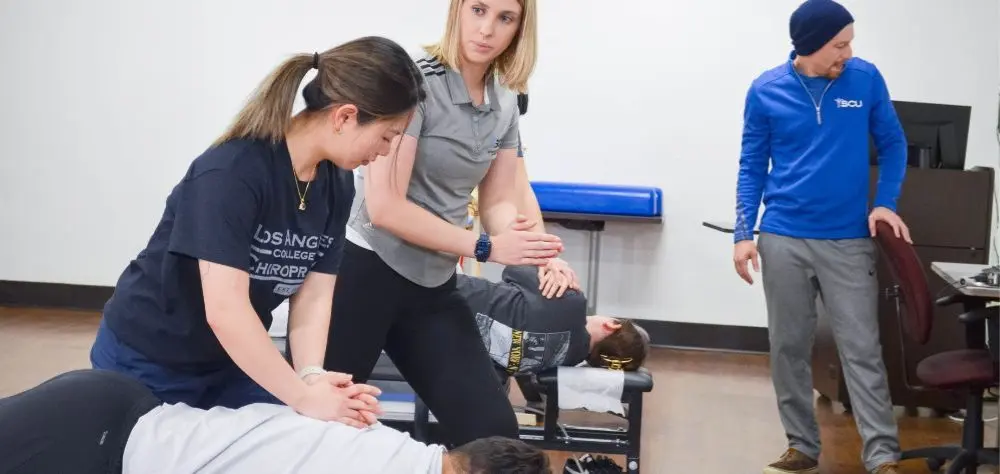
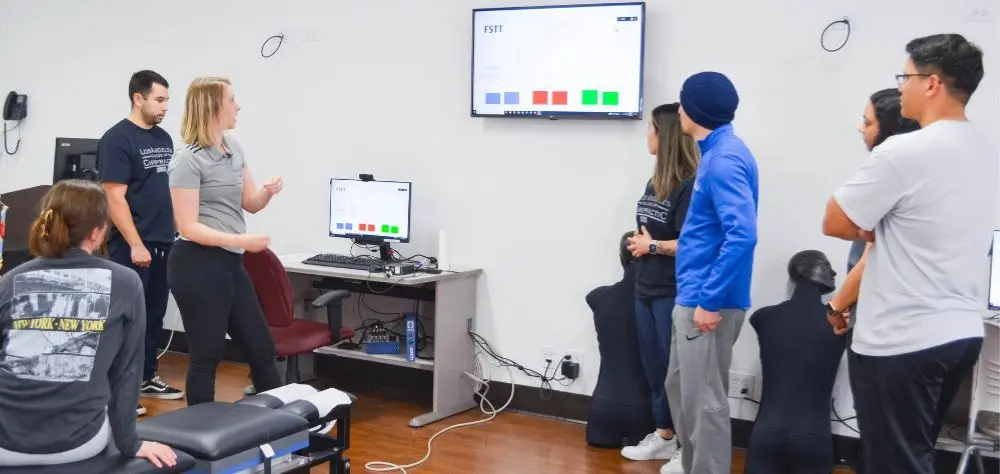
Hybrid chiropractic education brings structured online learning together with in-person clinical experiences. You’ll complete your foundational courses (like anatomy, physiology, and diagnostics) through online lectures, interactive modules, and virtual discussions. Then, you’ll attend scheduled, in-person lab sessions and clinical residencies where you practice adjusting techniques, patient care, and diagnostic skills in real environments.
This structure is designed for students who want more flexibility without compromising on the quality or integrity of their education. Most hybrid programs use a format where on-campus sessions happen in short, concentrated blocks—usually lasting 3–5 days every few weeks—giving you time to work, study, and live your life between sessions.
Comparing Traditional, Hybrid, and Online-Adjacent Chiropractic Programs
If you’re exploring your options, it’s helpful to understand the differences between program types. Each has its own structure and benefits depending on your lifestyle and learning preferences. Here’s a quick comparison:
Traditional Programs
- In-person classes and labs, Monday through Friday
- Daily campus attendance required
- On-site clinical training in university-run clinics
Hybrid Programs
- Online didactic (theory) courses with live or recorded lectures
- In-person lab sessions scheduled periodically
- Clinical rotations through local health centers or partner clinics
Hybrid chiropractic programs are becoming more popular because they offer flexibility, especially for students who live outside major metro areas or can’t relocate full-time. With the right balance of support, technology, and structure, this model makes chiropractic education more accessible than ever.
What Accreditation Means in a Hybrid Chiropractic Program
Every Doctor of Chiropractic program must meet standards set by the CCE to qualify for licensure. These standards include specific requirements for in-person lab hours, clinical assessments, and supervised patient care.
Hybrid programs follow the same accreditation requirements as traditional schools. The difference is in how they deliver the academic content, not in the quality or credibility of the degree. That means when you graduate from a hybrid program that’s CCE-accredited, you’re just as eligible for licensure and practice as someone who attended a fully on-campus program.
Step-by-Step: The Path to Becoming a Chiropractor
Before you can begin your Doctor of Chiropractic (DC) education, you’ll need to complete some undergraduate coursework. Most chiropractic programs require around 90 semester hours of college credit, which often includes coursework in biology, chemistry, physics, and the humanities.
You don’t need a specific major, but a strong foundation in science will serve you well. These credits give you the academic baseline needed to succeed in a DC program, where you’ll dive deeper into anatomy, physiology, and the hands-on techniques that define chiropractic care. If you’re already in college or returning with prior credits, you’re probably closer than you think to taking the next step.
Doctor of Chiropractic Programs: What to Expect
Once you meet the prerequisites, you’ll enroll in a Doctor of Chiropractic program, which typically takes 3 to 4 years to complete. These programs are intensive and comprehensive, covering topics like spinal anatomy, neurology, biomechanics, diagnostics, and chiropractic technique.
You’ll spend the first part of the program focused on didactic coursework building a deep understanding of the human body and how to care for it holistically. As you progress, the focus shifts to clinical applications, patient communication, and hands-on skills that prepare you for practice. Whether you choose a hybrid or traditional format, you’ll receive the training you need to become a confident, qualified chiropractor.
Clinical Training and Real-World Experience
Clinical education is a key part of every chiropractic program. During your final years of study, you’ll move into clinical rotations or residencies, where you work with real patients under faculty supervision. These experiences take place in chiropractic clinics, hospitals, community health centers, and specialty practices.
This stage is where theory meets practice. You’ll perform exams, take patient histories, develop treatment plans, and apply manual techniques while receiving ongoing feedback. It’s one of the most valuable parts of your education and a major step in becoming a trusted provider. It also builds the kind of confidence you can’t get from lectures alone.
The National Board Exams: What You’ll Need to Pass
Before you can apply for a license, you’ll need to pass the National Board of Chiropractic Examiners (NBCE) exams. These exams are taken in four parts, typically throughout your time in chiropractic school:
- Part I – Basic sciences (anatomy, physiology, etc.)
- Part II – Clinical sciences (diagnosis, chiropractic principles)
- Part III – Clinical competency (case management, technique)
- Part IV – Practical examination (x-ray interpretation, physical exams, adjustments)
Many programs structure their curriculum to align with these milestones, helping you prepare with practice tests and board-focused coursework. Once you’ve passed, you’re eligible to move forward in the licensing process.
Licensing and Launching Your Chiropractic Career
After you’ve passed all NBCE exams, the final step is obtaining your state chiropractic license. Each state has its own licensing board, and while most follow similar procedures, you’ll want to confirm specific requirements for where you plan to practice. That might include background checks, additional jurisprudence exams, or continuing education commitments.
Program Timeline: Traditional vs. Hybrid Options
Chiropractic programs can be structured in different ways. A traditional format typically involves daily, on-campus classes with a set academic schedule. A hybrid model offers online didactic coursework paired with in-person clinical and lab experiences held on a rotating schedule.
The overall timeline is usually 3 to 4 years, but flexibility in hybrid programs may allow students to structure their weeks differently—especially helpful if you’re working or managing other responsibilities. What matters most is choosing a format that fits how you learn and live.
SCUHS: A Flexible, Proven Path to Your Chiropractic Degree
At Southern California University of Health Sciences (SCUHS), we’ve created a program that meets students where they are, without cutting corners. Our hybrid Doctor of Chiropractic program offers the flexibility of online coursework and the rigor of in-person labs and clinical training, designed to support your success from start to finish.
If you have 90 or more qualifying college credits, you can jump right into the program, even if you haven’t completed a bachelor’s degree. Through our dual-degree option, you can earn both your Bachelor of Science in Health Sciences (BSHS) and your Doctor of Chiropractic at the same time. The streamlined curriculum saves you time, keeps your education affordable, and helps you start your career sooner.
Interested? Take the next step toward becoming a chiropractor—apply today and start your journey with SCUHS.
What to Look for in a Hybrid or Online-Accessible Chiropractic Program
If you’re exploring hybrid or online-accessible chiropractic programs, there are a few key features you’ll want to prioritize from the start. Flexibility is important but so is quality. A strong program gives you the best of both: a convenient format that still prepares you fully for practice, licensing, and long-term success in the field.
The best programs build their hybrid structure around student support, interactive learning, and hands-on clinical development. Look closely at the delivery of content, access to faculty, and how in-person sessions are scheduled. And don’t hesitate to ask questions—you’re investing time, energy, and tuition into this experience. You deserve a program that’s fully committed to your success.
Must-Have Features in a Hybrid Chiropractic Program
Here are the non-negotiables to look for when evaluating any hybrid or online-accessible Doctor of Chiropractic program:
- Accreditation – Look for regional or national accreditation from the Council on Chiropractic Education (CCE). Without CCE accreditation, you may not be eligible to sit for board exams or apply for licensure in most states.
- Live Online Instruction – Programs should include live, interactive classes, not only pre-recorded lectures
- Regular In-Person Immersions – Hands-on training should happen on a predictable, condensed schedule (such as every 3–5 weeks)
- Faculty Accessibility – Professors should be responsive and available for one-on-one support
- Peer Collaboration – Look for group learning, discussions, and team-based assignments to stay connected
- Clinical Rigor – The program should include real patient interactions and meaningful clinic hours
When these elements are in place, you’ll get a well-rounded, respected education that prepares you for licensure and confident practice.
Red Flags to Watch For
While there are many strong hybrid and online-accessible chiropractic programs available, there are also a few warning signs to be aware of during your search. These can point to programs that may not meet the professional or licensing standards you need.
Be cautious of:
- Programs that are not CCE-accredited
- Courses that rely solely on pre-recorded videos with no live interaction
- Clinical components that are unclear or poorly structured
- A lack of direct access to faculty or clinical mentors
- Unclear or inconsistent residency schedules
A program’s website and admissions team should be transparent about these details. If something feels vague or hard to pin down, it’s worth asking more questions or looking elsewhere.
Inside the SCUHS Hybrid DC Program
We created our hybrid Doctor of Chiropractic program to support students with busy lives, full schedules, and big goals. Our format blends live, online interactive lectures with on-campus clinical residencies every 3 to 5 weeks. This lets you stay rooted in your community while gaining the hands-on training you need to build clinical confidence.
Whether you’re balancing a job, caring for a family, or living in a rural area, this program brings chiropractic education closer to home, without cutting corners on quality or connection. With campuses in Southern California and Phoenix Metro (Tempe), you can choose the location that fits your life best while still receiving the same nationally recognized training
What Makes Our Program Stand Out
Beyond flexibility, we’ve built in key features that give our students a strong edge in today’s healthcare environment. One of the most powerful is our embedded Bachelor of Science in Health Sciences (BSHS) degree track. If you enter with 90 or more college credits, you can earn your bachelor’s and your Doctor of Chiropractic simultaneously, without extending your timeline.
We also offer a dual-degree pathway where you can earn both your Doctor of Chiropractic (DC) and your Doctor of Acupuncture and Chinese Herbal Medicine (DACM). This track allows you to broaden your scope and deepen your skill set, all while staying within a flexible, student-first format.
Elite Clinical Placements That Build Your Resume
Real-world experience is central to your success as a future chiropractor. Our hybrid program includes access to top-tier clinical placements that give you direct experience with diverse patient populations, healthcare systems, and specialties.
You’ll begin at SCU Health Clinics in your region, which are open to the public, accept insurance, and serve thousands of patients annually. From there, you’ll have opportunities to rotate through partner clinics and hospitals, including:
- Private practices in sports, pediatrics, and integrative medicine
- Veterans Health Administration (VA) sites
- Division I athletic programs
- Community health centers and teaching hospitals
These placements help you build the skills, and the confidence, you’ll carry into your career.
A Smarter Way to Move Forward
The SCUHS hybrid Doctor of Chiropractic program is a complete educational experience that fits into your life while preparing you for a successful, confident future in healthcare. With live online instruction, hands-on residencies, and access to exceptional clinical training, we’ve created a path that supports your goals and keeps you connected to faculty and peers.
Whether you’re changing careers, finishing a degree, or starting something new, we’ve built this program to help you get there—with structure, support, and opportunities every step of the way. Apply today and take your first step toward becoming a chiropractor.
FAQs
Is it possible to learn how to become a chiropractor online without attending a physical campus?
While you can complete a large portion of the academic coursework online, fully online chiropractic programs don’t exist due to the hands-on clinical requirements set by accreditation standards. To become a chiropractor, you’ll need to attend in-person labs and clinical training regularly. That’s why hybrid models—with both online and on-campus components—are becoming the go-to choice for students seeking more flexibility.
What are the core steps involved in how to become a chiropractor online through a hybrid program?
The typical path includes completing about 90 semester hours of college credit, enrolling in a CCE-accredited hybrid Doctor of Chiropractic program, completing clinical training, passing the National Board of Chiropractic Examiners (NBCE) exams, and securing state licensure. Hybrid programs make this journey more accessible by offering online coursework alongside required, scheduled in-person clinical sessions.
Are hybrid chiropractic programs accredited and recognized for licensure?
Yes, as long as the program is accredited by the Council on Chiropractic Education (CCE), hybrid chiropractic degrees meet all licensure requirements. These programs still include hands-on clinical and lab experiences, just in a more flexible format. Be sure to confirm a school’s accreditation before applying, as it’s essential for your eligibility to take board exams and become licensed.
Can I start the SCUHS program without a bachelor’s degree?
Yes, you can begin the program with 90 or more qualifying undergraduate credits. We offer an embedded bachelor’s degree track that lets you complete your Bachelor of Science in Health Sciences (BSHS) while earning your Doctor of Chiropractic all within the same timeline. It’s a smart way to move forward without adding extra years to your education.
How often do students attend in-person sessions in the SCUHS hybrid format?
Students participate in 3–5 day, in-person lab sessions every few weeks. These immersive experiences are essential for mastering manual techniques, diagnostics, and clinical skills. The rest of the coursework is delivered online through live, interactive lectures. This setup provides the structure and support needed to succeed, even with a busy schedule.
Related Posts