Top Physical Therapy School for Advanced Clinical Training

Finding a top physical therapy school means choosing a place that knows what it takes to thrive in today’s healthcare world. You need advanced clinical training, expert faculty who’ve worked in the field, and a learning experience that builds real confidence, starting on day one.
If you’re serious about becoming a skilled, confident physical therapist, it matters where and how you train. From the classroom to the clinic, the right program gives you access to experienced mentors, real patients, and the tools to keep growing in a fast-moving field.
Training Smarter: What Advanced Clinical Preparation Looks Like in PT Programs
Choosing a physical therapy program is a big decision, and clinical training plays a central role. When we talk about “advanced” clinical training, we’re referring to a specific set of experiences, technologies, and teaching approaches that go beyond minimum licensure requirements. These elements are designed to help you enter the profession ready to treat patients with confidence, skill, and precision.
For future physical therapists, clinical training isn’t just a requirement. It’s the foundation for how you’ll approach patient care, decision-making, and lifelong learning. Programs that invest in early exposure, immersive learning environments, and real-world tools can give you a meaningful edge—both in school and in your career.
Going Beyond the Minimum: What Sets Top PT Training Apart
Top-tier physical therapy programs extend well past the standard clinical hour requirements. They build in rich, layered clinical exposure across the entire curriculum.
Here’s what to look for:
- Early clinical exposure — Getting into real-world settings early on builds confidence and clinical reasoning.
- High-fidelity simulations — These advanced manikins and interactive scenarios help bridge the gap between theory and patient care.
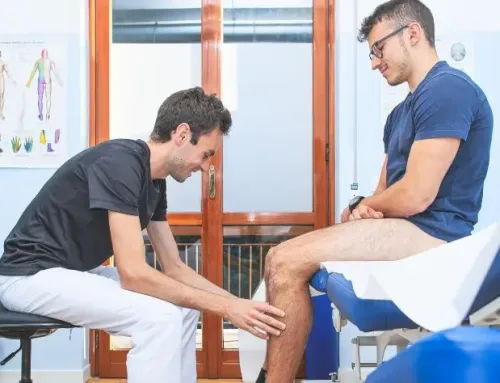
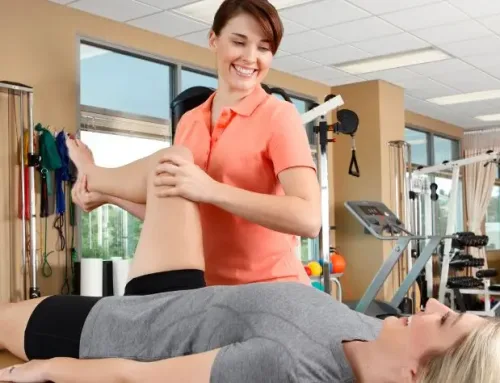
- Manual therapy immersion — Deep, hands-on training ensures your skills are precise and effective.
- Cadaver-based anatomy labs — Working with real cadavers enhances your understanding of structure, movement, and pathology.
- Advanced diagnostic tools — Programs that incorporate ultrasound, imaging, and EMG help sharpen diagnostic decision-making.
Each of these components supports clinical excellence from day one.
Practicum Variety Shapes a Well-Rounded Therapist
Working with patients across multiple settings helps you grow as a clinician. A strong physical therapy program places you in diverse environments so you can learn how to adapt your approach, communicate effectively, and handle a wide range of conditions.
You’ll rotate through outpatient clinics, hospital-based acute care, neurorehabilitation centers, orthopedic clinics, and pediatric settings. These varied experiences help you build versatility and find your strengths. They also expose you to different patient populations and healthcare teams, making you a more adaptable, confident, and job-ready therapist.
Technology Is a Core Part of Skill Development
In top physical therapy programs, technology is integrated into how you learn and practice. From anatomy to diagnostics to patient communication, the tools you use in school mirror the ones you’ll rely on in your career.
Platforms like Draw It to Know It, Complete Anatomy, and SimX create dynamic, visual learning opportunities. These tools help reinforce complex subjects and improve retention. Diagnostic simulators, 3D anatomy mapping, and virtual case studies all give you opportunities to apply what you’re learning in real time. You’ll develop clinical reasoning skills faster, and with more depth.
Top 5 Physical Therapy Schools for Advanced Clinical Training
The demand for highly trained physical therapists continues to rise—driven by aging populations, increased emphasis on prevention, and expanded access to rehabilitative care. Choosing the right school matters. Clinical training is where future PTs develop their instincts, sharpen their skills, and start to think like clinicians. The best programs go deeper, earlier, and farther in their hands-on preparation.
1. Southern California University of Health Sciences – Immersive, Accelerated, and Technology-Driven
As chronic health conditions become more common and our healthcare system shifts toward preventative, patient-centered care, physical therapists play a critical role in improving quality of life across all age groups. At Southern California University of Health Sciences (SCU), we’ve built a Doctor of Physical Therapy (DPT) program that meets these demands head-on.
Our online-hybrid DPT format offers a flexible yet rigorous structure, allowing students to balance professional goals with personal responsibilities, all while completing their degree faster than traditional models.
Clinical preparation begins early and runs deep, blending foundational knowledge with high-impact, real-world learning.
Our curriculum combines asynchronous online instruction with hands-on lab immersions, simulation-based practice, and full cadaver dissection labs. Students develop not just technical proficiency but clinical confidence, supported by expert faculty, advanced technology, and a collaborative learning environment.
Program at a Glance
- Full-time, hybrid program lasting 6 terms
- Completed in 2 years
- Online coursework + immersive, in-person clinical labs
- Cadaver lab training with real tissue, not synthetic models
- Learning tools: Complete Anatomy, Draw It to Know It, SynDavers, Diagnostic Imaging
- Fixed tuition guarantee + financial aid and scholarships available
SCU builds clinicians inside a Whole Health university with real scale. With nearly 2,000 students across a multi-campus footprint, Southern California University of Health Sciences operates as one of the largest integrative, Whole Health institutions in the world. That matters for physical therapy: it means broader clinical perspective, stronger interdisciplinary exposure, and training that reflects how care is actually delivered.
Apply today through PTCAS or request more information. If you’ve got questions, we’re happy to answer.
2. University of Southern California (USC)
USC offers one of the most established DPT programs in the country, with strong ties to hospital systems like Keck Medical Center and LA County. Students gain clinical exposure early, including access to advanced care environments like trauma and ICU units. The program also offers specialty residencies and fellowships in orthopedics, neurology, and sports physical therapy. USC’s network and clinical diversity provide robust pathways for students interested in acute care and high-level practice settings.
3. University of St. Augustine for Health Sciences (Austin, TX and Miami, FL)
If you want flexibility without sacrificing skills training, USAHS is built for that lane. Their DPT pathways include online learning paired with in-person immersive lab experiences, and they invest heavily in rehab-specific clinical simulation labs designed to bridge classroom-to-clinic readiness.
4. Duke University (Durham, NC)
Duke is for students who want high-caliber training inside a major academic medical ecosystem. The program highlights robust clinical education and formal interprofessional experiences, including an IPE clinic environment connected to Duke University Hospital—a signal that team-based care is not a slogan here; it’s part of the training model.
5. University of Pittsburgh (Pittsburgh, PA)
Pitt is a strong pick for students who want a program that leans hard into early clinical integration and offers multiple delivery formats (including hybrid), while still keeping the expectations and outcomes of a major research university. Their curriculum explicitly emphasizes intensive integration into clinical environments across the program.
What to Ask When Comparing Clinical Training Across DPT Programs
Your clinical education is one of the most important parts of becoming a physical therapist. It’s where you’ll take everything you’ve learned and apply it directly to real patients, under real pressure, with real outcomes. When you’re comparing DPT programs, it’s worth slowing down and asking the right questions. The differences may seem subtle at first, but they shape the quality of your training and your confidence as a future clinician.
“When Do Clinicals Begin?”
Timing matters. The earlier you begin hands-on clinical work, the more time you have to build your skills and make connections in the field. Some programs introduce clinical experiences within the first few terms, while others wait until core coursework is complete. The sooner you begin practicing, the sooner you start building clinical reasoning, professional identity, and patient interaction confidence.
“Are Field Placements Personalized or Randomized?”
Every student has different interests, goals, and learning needs. Ask how placements are handled: does the program work with you to align your clinical rotations with your interests, or are assignments primarily based on availability?
A strong DPT program offers structured support while still personalizing the process. Look for schools that.
- Assess your goals and strengths during placement planning
- Maintain strong relationships with diverse clinical partners
- Provide placement opportunities in a wide range of specialties
- Allow students to give input on placement location and setting
- Offer international or rural placement options, if that’s of interest
Personalized placements lead to stronger learning outcomes and a clearer career direction.
“Are There Specialty Tracks or Fellowships Post-Graduation?”
Some DPT programs are connected to advanced training pathways like residencies or fellowships in areas like orthopedics, neurology, or sports PT. These can open doors to specialized careers and leadership roles. Ask whether the program provides guidance, partnerships, or mentorship for these post-grad opportunities. Schools with strong alumni support networks often help students transition smoothly into advanced roles.
“How Is Manual Therapy Taught—Lecture or Lab?”
Manual therapy is a core skillset for physical therapists. Programs that prioritize lab-based instruction help students refine their technique in real time, with guidance and feedback from experienced faculty. Look for programs with extensive in-person lab hours, small group instruction, and consistent exposure to hands-on practice throughout the curriculum.
“Do You Use Cadaver Labs, High-Fidelity Simulation, or Both?”
Cadaver labs offer direct, tactile learning experiences that deepen understanding of the human body. High-fidelity simulations can replicate clinical scenarios with precision and variability. The strongest DPT programs incorporate both. Ask how these tools are used, when students access them, and how they’re integrated into the clinical learning process. This is a major area where programs can differ in depth and quality.
“Are Clinical Sites in High-Volume, Diverse Populations?”
You want your training to reflect the complexity of real-world practice. Clinical sites serving high-volume, diverse patient populations offer exposure to a broader range of diagnoses, cultural considerations, and healthcare challenges. Ask about the types of clinics, hospitals, and specialty centers students rotate through—and whether those sites offer mentorship, structured feedback, and interdisciplinary collaboration.
Ready for a Career Shift? SCU’s 2-Year Hybrid DPT is Built for You
Our healthcare system is evolving quickly and physical therapists are playing a critical role in that transformation. At Southern California University of Health Sciences, we designed our hybrid Doctor of Physical Therapy (DPT) program for students who want to move fast, stay flexible, and train at the highest level. You’ll complete your degree in just two years through a powerful mix of online coursework, in-person labs, and clinical experiences located near your home community (as available).
Whether you’re changing careers, balancing work and school, or seeking a more direct path into practice, our hybrid format meets you where you are. You’ll graduate with the confidence, precision, and skillset needed to thrive in today’s healthcare environments.
Built for Speed, Depth, and Real-World Results
Our hybrid DPT program is full-time and runs for six accelerated terms. It combines remote flexibility with immersive, hands-on learning to prepare you for immediate clinical impact.
What You Can Expect:
- Complete your DPT in just 2 years
- 6 immersive on-campus lab visits featuring cadaver dissection and simulation-based instruction
- Clinical rotations in Year 2, located near your home community (as available)
- Curriculum focused on manual therapy, diagnostics, and evidence-based treatment
- Cutting-edge edtech, including Complete Anatomy, SynDavers, and imaging diagnostics
- Fixed tuition plus access to federal financial aid and institutional scholarships
The program is designed for efficiency without cutting depth. You’ll move quickly, but each step of the journey is built on academic rigor, expert faculty guidance, and high clinical standards.
Cadaver Labs and On-Campus Immersions
You’ll attend six in-person lab immersions, each built to give you direct clinical experience with real anatomy and practical scenarios. Cadaver-based training helps refine your understanding of structure and movement, while high-fidelity simulations and small-group instruction reinforce your hands-on skills.
Clinical Rotations Close to Home
Starting in your second year, you’ll take part in clinical rotations that place you in real-world settings within or near your own community (as available). This reduces travel stress and allows you to learn in healthcare systems where you may later seek employment. Clinicals include outpatient, inpatient, neuro, ortho, and other specialty areas, offering a well-rounded foundation for practice.
We work with each student to help align placements with personal goals and geographic needs, always keeping your professional growth in focus.
Designed for Today’s Learners
This program was built with high-performing, goal-oriented students in mind—whether you’re coming from another career or looking to level up quickly. Our hybrid DPT model allows you to maintain a flexible schedule, stay rooted in your community, and still access a nationally respected education that delivers real-world clinical value.
Your Future in PT Can Start Today
A top physical therapy school can give you knowledge, confidence, sharpen your clinical instincts, and set you up for long-term success. At SCUHS, our hybrid Doctor of Physical Therapy program is fast, immersive, and built around the tools and experiences that matter in today’s healthcare world.
With hands-on lab immersions, advanced simulation tech, cadaver-based training, and clinical rotations close to home, you’ll get the preparation you need in just two years. If you’re ready to join a profession that transforms lives—and ready to start strong—apply today through PTCAS or request more information. We’re here to help you take that first step.
FAQs
What should I look for when choosing a DPT program?
Look for programs that emphasize early clinical exposure, hands-on training, access to real cadaver labs, and high-tech learning tools. Consider how the curriculum supports your learning style and career goals. Strong mentorship, personalized clinical placements, and an emphasis on real-world practice are key. A program should feel like a professional launchpad—where you’re gaining skills you’ll actually use in the clinic.
When do clinical rotations usually start in a DPT program?
Many programs begin clinical experiences in the second year, but some offer earlier exposure, often through simulation or part-time clinical prep. Early rotations help you build confidence and connect what you’re learning in the classroom to patient care. If clinical timing matters to you, ask schools directly when and how students begin working with patients.
How long does it take to complete a Doctor of Physical Therapy program?
Most DPT programs take about 3 years to complete. At SCU, we offer an accelerated format that can be completed in around 2 years. Make sure the timeline aligns with your personal and professional life—without sacrificing the depth of training.
What makes a top physical therapy school stand out?
A top physical therapy school delivers strong clinical partnerships, advanced training tools, cadaver-based anatomy, and faculty with real-world experience. These programs prepare students to lead in clinical settings from day one. Look for institutions that integrate hands-on learning early and often, and that support your growth beyond graduation through career services and specialty training opportunities.
How is the SCU hybrid DPT program structured?
Our program combines online coursework with six immersive, in-person lab experiences that include cadaver dissections and high-fidelity simulation. Clinical rotations begin in the second year and are typically located near students’ home communities (as available). You’ll move through the program in six full-time terms and complete your degree in just two years.
Related Posts